
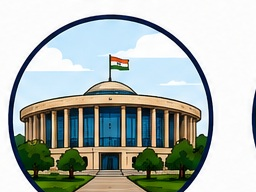
Gandhinagar
See what's happening
Browse topics · 47
Gandhinagar
Basic informationOpen ↗
| Field | Information | |---|---| | Official Name | Gandhinagar district | | Common Name | Gandhinagar | | Native Name(s) | ગાંધીનગર જિલ્લો (Gujarati); Gandhinagar Jillo | | Nicknames | Capital district of Gujarat | | Motto | _Data not readily available for this location._ | | Geographic Level | District | | Country | India | | State/Province | Gujarat | | Capital | Gandhinagar | | Government Type | District administration under the Government of Gujarat; part of India's federal parliamentary system | | Date Founded | The district was created in 1964; Gandhinagar was developed later as Gujarat's planned capital city | | Time Zone | Indian Standard Time (IST, UTC+5:30) | | Latitude | Approximately 23.22° N (district headquarters/city) | | Longitude | Approximately 72.65° E (district headquarters/city) | | Elevation | Approximately 81 m (city; district elevation varies) | | Total Area | Approximately 2,140 sq km | | Population | 1,391,753 (2011 Census) | | Population Density | Approximately 650 people per sq km (2011, based on district area and population) | | ZIP/Postal Codes | Multiple PIN codes across the district; Gandhinagar city includes 382010 and nearby ranges | | Area Codes | 079 (Gandhinagar/Ahmedabad telecom region, widely used) | | Official Languages | Gujarati, Hindi; English is widely used in administration and education | | Currency | Indian Rupee (INR) | | Demonym | Gandhinagari; resident of Gandhinagar district |
Note: Some values, especially nickname, demonym, and postal coverage, vary by context between the district and the city headquarters.
OverviewOpen ↗
Gandhinagar district is one of the key administrative districts of Gujarat in western India and includes the state capital, Gandhinagar. Its importance comes not only from government functions but also from its role within the larger Ahmedabad–Gandhinagar urban region, one of Gujarat's most influential corridors for administration, education, industry, and infrastructure. While the district is anchored by the planned capital city, much of its character also comes from peri-urban settlements, agricultural land, industrial estates, and rapidly developing institutional zones.
The district is known for combining state government institutions with educational campuses, research centers, manufacturing activity, and transport links. Gandhinagar city itself was planned after Gujarat became a separate state in 1960, and the district has since evolved into a mixed administrative and economic landscape. The district also includes important religious and cultural sites, with Akshardham in Gandhinagar city among the best-known landmarks in the region.
Because it lies close to Ahmedabad and benefits from strong road connectivity and state-level investment, Gandhinagar district has seen substantial urban growth. It is increasingly associated with government services, higher education, electronics and engineering activity, and modern infrastructure projects, while still retaining villages and agricultural zones that reflect the wider social and economic fabric of central Gujarat.
HistoryOpen ↗
The area that is now Gandhinagar district has a long history tied to the broader cultural landscape of north and central Gujarat. Before the district was formed, the region was part of older political and administrative units under precolonial kingdoms, Sultanate and Mughal influence, Maratha power, and later British rule. The local population historically included agrarian communities, trading groups, artisans, and pastoral peoples typical of the Gujarat plains.
After Indian independence in 1947, the region became part of Bombay State. In 1960, the linguistic reorganization of states created Gujarat as a separate state. Ahmedabad initially served as the capital, but the Gujarat government decided to build a new planned capital. Gandhinagar district was created in 1964, and the new capital city of Gandhinagar was developed and named after Mahatma Gandhi.
The planning of Gandhinagar city marked the most important turning point in the district's modern history. The city was designed with sectors, broad roads, institutional areas, and green space, distinguishing it from older organically developed cities in the region. Over time, state government offices, residential sectors, educational institutions, and public facilities were relocated or established there.
In the late 20th and early 21st centuries, the district benefited from Gujarat's broader economic expansion. Industrial estates, educational campuses, and improved highways strengthened ties with Ahmedabad and other parts of the state. The district's history in this period is one of planned urbanization, administrative consolidation, and integration into one of western India's most dynamic metropolitan regions.
A major traumatic event in the district's recent memory was the 2002 terrorist attack on the Akshardham temple complex in Gandhinagar city, which had a profound local and national impact. Since then, the district has continued to develop as a center of governance, public administration, education, and investment.
GeographyOpen ↗
Gandhinagar district lies in central Gujarat in western India, just north of Ahmedabad district. It forms part of the wider alluvial plain associated with the Sabarmati River system and the gently sloping inland terrain of mainland Gujarat. The district does not contain major mountain systems; instead, its geography is characterized by plains, riverine areas, cultivated land, settlements, and expanding urban corridors.
The Sabarmati River is the district's most important natural water feature, influencing settlement patterns, agriculture, and urban development. Seasonal streams and local water bodies also shape the landscape, especially during the monsoon. Parts of the district have historically depended on groundwater, reservoirs, and canal-linked water management systems common across Gujarat.
Vegetation is a mix of cultivated farmland, urban greenery, scattered scrub, and planted avenues, especially in and around the planned capital city. Soils in the district generally support agriculture where irrigation is available, though water availability and land-use conversion have been major considerations in recent decades.
Geologically, the district belongs to the broader Gujarat plain rather than a high-relief zone. Its natural resources are more closely linked to land, water access, and proximity to markets and infrastructure than to dramatic mineral landscapes. The district's geography has made it especially suitable for administration, transport, industry, and planned urban growth.
TopographyOpen ↗
Gandhinagar district has predominantly low-relief topography with broad plains and gentle undulations rather than sharp elevation changes. It is part of the inland plain of Gujarat, making it well suited to transport infrastructure, settlement expansion, and agriculture.
- Highest point: No widely cited single highest named point is commonly reported for the district; elevations are modest and vary gradually.
- Lowest point: No widely cited single lowest named point is commonly reported for the district.
- General elevation: Much of the district sits at relatively low elevation, with the Gandhinagar urban area around 80 meters above sea level.
- Riverine terrain: The Sabarmati River and associated low-lying floodplain areas are among the district's most recognizable topographic features.
- Hills and mountains: The district has no major mountain ranges or notable hill systems of statewide prominence.
- Plateaus and canyons: None of major significance are generally associated with the district.
- Flood plains: Seasonal and river-adjacent lowlands can be affected by monsoon runoff and localized flooding.
- Coastal areas: The district is landlocked and has no coastline.
Topographically, the district's most important distinction is not elevation but the contrast between planned urban sectors, rural villages, agricultural tracts, industrial land, and river-influenced terrain.
Weather & climateOpen ↗
Gandhinagar district has a hot semi-arid climate (Köppen: BSh), typical of much of inland Gujarat, with very hot summers, a monsoon season, and mild to warm winters.
| Season | Typical Conditions | |---|---| | Summer (March-June) | Very hot and dry; daytime temperatures often exceed 40°C in peak summer | | Monsoon (late June-September) | Most annual rainfall arrives during this period; humidity rises and temperatures moderate somewhat | | Post-monsoon (October-November) | Warm, gradually drying conditions | | Winter (December-February) | Pleasant to mild days and cooler nights; one of the most comfortable times of year |
Typical climate patterns - Summer highs: Often around 40-45°C during heatwaves. - Winter lows: Can fall to around 10-15°C on cooler nights, sometimes lower in exceptional conditions. - Annual rainfall: Usually in the moderate range for inland Gujarat, concentrated in the southwest monsoon; exact district averages vary by station. - Humidity: Highest during the monsoon; generally lower in the dry season. - Snowfall: None.
Best time to visit - November to February is generally the most comfortable period for visitors, with milder temperatures and lower humidity. - The monsoon can also be pleasant for greenery, though heavy rain may disrupt travel on some days.
Natural hazards - Heatwaves are a recurring summer risk. - Intense monsoon downpours can cause waterlogging or localized flooding. - Gujarat is also a seismically active state, so earthquake preparedness is relevant, although Gandhinagar district is not usually singled out as the state's most hazard-prone district.
For precise long-term averages, official India Meteorological Department station data is the best reference.
PopulationOpen ↗
According to the 2011 Census of India, Gandhinagar district had a population of 1,391,753. Since then, continued urbanization in the Ahmedabad–Gandhinagar region likely means the district has grown further, but the final official district total from a newer national census is not yet available in the usual census format.
Population profile (2011 Census and broad public sources) - Total population: 1,391,753 - Urban-rural mix: The district includes the state capital and a large peri-urban belt, but also many villages and agricultural settlements. - Growth: The district has experienced substantial growth over recent decades due to state-capital functions, migration, and regional development. - Sex ratio: Official census figures are available in census tables; the district generally reflects regional demographic patterns of Gujarat. - Literacy: Higher than many districts because of the presence of the capital city, educational institutions, and proximity to Ahmedabad.
Communities and languages - Main language: Gujarati is the principal spoken language. - Other widely used languages: Hindi is common across communities; English is used in education, business, and government. - Religions: Hinduism is the majority religion, with Muslim, Jain, Christian, Sikh, and other minority communities present.
Social and economic characteristics - The district includes government employees, professionals, small business owners, industrial workers, farmers, students, and service-sector workers. - Education levels tend to be relatively strong in urban parts of the district. - Employment is spread across public administration, education, trade, industry, construction, transport, and agriculture.
Income and employment _Data not readily available for this location._
GovernmentOpen ↗
Gandhinagar district is administered as a district of Gujarat under the state government and the constitutional framework of the Republic of India. At the district level, the administration is typically led by a District Collector (or District Magistrate), an Indian Administrative Service or state-cadre officer responsible for revenue administration, land matters, coordination of government services, disaster response, and district-level governance.
Because the district contains the state capital, its governance environment is especially significant. Gandhinagar city houses major institutions of the Government of Gujarat, including the state secretariat and legislative functions. This makes the district an important center not only for local administration but also for statewide policymaking.
Administrative structure - District administration under the Government of Gujarat - Urban local bodies, including the Gandhinagar Municipal Corporation for the city area - Rural local governance through talukas, village panchayats, and district panchayat institutions - Coordination with state departments for education, health, roads, water, policing, and social welfare
Political representation - The district falls within representation for the Gujarat Legislative Assembly through multiple assembly constituencies. - It is also part of parliamentary representation in the Lok Sabha. - Exact constituency boundaries can change through delimitation and should be confirmed from the Election Commission of India for the latest status.
Public services - District hospital and public health facilities - State-run and local schools - Police and civil defense services - Land registration and revenue administration - Water supply, roads, sanitation, and urban planning functions through local and state agencies
Current officeholders - Names of current district and elected officeholders change over time and should be verified through official Gujarat government and Election Commission sources.
EconomyOpen ↗
Gandhinagar district has a diversified economy shaped by four major forces: state government administration, proximity to Ahmedabad, industrial and manufacturing activity, and education/institutional development. As the district containing Gujarat's capital city, it has a strong base in public administration, policy services, office employment, and government-linked support sectors.
The district is also deeply integrated into the broader Ahmedabad–Gandhinagar metropolitan economy. This connection supports trade, real estate, logistics, information services, higher education, healthcare, and industrial employment. Manufacturing zones and industrial estates in and around the district contribute to jobs in engineering, electronics, chemicals, packaging, textiles-related activities, and small-to-medium enterprises.
Recent decades have brought continued urban expansion, improved highways, institutional campuses, convention and business facilities, and investment in modern infrastructure. Gandhinagar has also become known for hosting major conferences, exhibitions, and policy-oriented events, which add to the local service economy.
Economic characteristics - Government and administration: A core source of stable employment. - Education and research: Universities and institutes drive service-sector demand and skilled labor formation. - Industry: Industrial estates and manufacturing clusters support private-sector employment. - Real estate and construction: Strongly influenced by urban growth from both Ahmedabad and Gandhinagar. - Retail and hospitality: Expanded with population growth and official travel.
GDP _Data not readily available for this location._
Cost of living and incomes - Costs are generally influenced by the district's closeness to Ahmedabad and by differences between planned urban sectors, newer development zones, and rural areas. - Housing and land values in strategic urban corridors tend to be higher than in purely rural parts of the district. - Median household income figures specific to the district are not consistently published in one standard official format.
Future development - Continued metropolitan integration with Ahmedabad - Institutional and knowledge-sector expansion - Infrastructure upgrades, including transport and utilities - Growth in residential townships, commercial property, and business services
IndustriesOpen ↗
- Public administration and government services — The district's defining sector, centered on the Gujarat state capital. Government offices, support services, policy institutions, and administrative employment shape the local economy.
- Education and research — Universities, institutes, libraries, and training centers generate jobs and attract students, faculty, and associated services.
- Manufacturing — Industrial estates support engineering goods, electronics-related work, fabrication, packaging, and other small- and medium-scale production.
- Construction and real estate — Strong demand comes from urban expansion, public projects, residential development, and commercial campuses.
- Retail and wholesale trade — Local markets, shopping areas, and distribution businesses serve residents, government workers, students, and nearby rural communities.
- Healthcare — Public and private hospitals, clinics, laboratories, and medical education-related services form a growing employment base.
- Hospitality and events — Hotels, guest houses, food services, and conference support benefit from official travel and large gatherings in the capital region.
- Transport and logistics — Road connectivity with Ahmedabad and the rest of Gujarat supports freight movement, warehousing, commuting, and regional trade.
- Information technology and business services — Smaller than in India's biggest tech hubs but increasingly present through office services, digital operations, and institution-linked demand.
- Agriculture and allied activities — Still important in rural parts of the district, especially where land has not been absorbed into urban or industrial use.
AgricultureOpen ↗
Agriculture remains an important part of Gandhinagar district outside its core urban and institutional areas. The district's farming patterns are influenced by semi-arid conditions, irrigation availability, groundwater access, and proximity to urban markets.
Main agricultural features - Crops: Common Gujarat crops in this region include cereals, pulses, oilseeds, vegetables, and fodder crops. Cotton, castor, wheat, bajra, and seasonal horticulture may be present depending on local conditions and irrigation. - Vegetables and market farming: Proximity to Ahmedabad and Gandhinagar supports cultivation of fresh produce for urban markets. - Dairy and livestock: Cattle and buffalo rearing are important in many parts of Gujarat, and dairy-linked activity is a likely component of the district's rural economy. - Poultry and small livestock: Present in some rural areas, though not necessarily the district's defining agricultural activity. - Irrigation: Farming outcomes depend heavily on irrigation and water management because rainfall is seasonal and summers are dry.
Forestry and fisheries - The district is not especially known as a major forestry district. - Inland fisheries may exist in ponds, reservoirs, or local water bodies, but they are not among the district's best-known sectors.
Food production and rural economy - Local agriculture contributes to household income, dairy supply, and food distribution into nearby cities. - Ongoing urbanization has likely reduced or transformed some agricultural land around growth corridors.
Organic farming _Data not readily available for this location._
HousingOpen ↗
Housing in Gandhinagar district ranges from planned residential sectors in Gandhinagar city to village housing, new apartment clusters, suburban layouts, and peri-urban townships. The district's housing market is strongly shaped by its dual identity as both a capital district and part of the wider Ahmedabad metropolitan region.
Main housing patterns - Planned urban housing: Gandhinagar city is known for organized sectors, lower-rise layouts in older areas, and comparatively green residential planning. - Apartments and condominiums: Increasingly common in newer urban and suburban developments, especially along key corridors linking Gandhinagar and Ahmedabad. - Single-family homes: Found in older sectors, independent housing schemes, and village settlements. - Peri-urban growth: Areas on the metropolitan edge have seen significant residential construction, including gated communities and mixed-use projects. - Rural housing: Villages across the district retain traditional and modernizing forms of housing, with quality varying by income and infrastructure access.
Market conditions - Demand is supported by government employees, professionals, students, investors, and families seeking access to Ahmedabad while living in a less congested environment. - Prices vary widely based on access to highways, institutions, employment centers, and municipal services. - Planned sectors and well-connected growth corridors generally command higher values than remote rural locations.
Affordability - The district includes both premium and middle-income housing markets. - Affordable housing needs exist, especially for lower-income workers, migrants, and informal-sector households. - Public policy and urban development schemes continue to influence supply.
Typical prices and rents _Data not readily available for this location._
NeighborhoodsOpen ↗
For a district article, it is more useful to describe major urban areas, taluka centers, and development zones rather than only city neighborhoods.
- Gandhinagar city — The district headquarters and state capital, known for its planned sectors, government complexes, educational institutions, and broad green avenues.
- Kalol — One of the district's important industrial and commercial centers, with manufacturing activity and strong transport connections.
- Mansa — A historic town in the district with a more traditional urban character and links to surrounding agricultural areas.
- Dehgam (Dahegam) — A significant town and taluka center, serving nearby rural communities and participating in the district's expanding commuter and market network.
- Pethapur — Known historically for craft traditions, especially block printing, and situated close to the capital area.
- Adalaj area — Best known for the Adalaj Stepwell and for its location on the corridor between Ahmedabad and Gandhinagar; now influenced by metropolitan expansion.
- Infocity and institutional zones — Modern office, educational, and business-service areas associated with planned development in and around Gandhinagar city.
- Rural village belts — Large parts of the district still consist of villages, agricultural land, and evolving peri-urban settlements where urban and rural economies overlap.
If a city-neighborhood breakdown is needed specifically for Gandhinagar city, sectors and local areas such as Sector 11, Sector 21, Sector 22, and other planned sectors are commonly referenced.
TransportationOpen ↗
Gandhinagar district has strong regional connectivity and benefits greatly from its place within the Ahmedabad–Gandhinagar urban corridor. Transport is one of the district's major strengths, supporting commuting, government activity, education, and industry.
Roads and highways - The district is connected by a network of state and national highways. - The Sarkhej–Gandhinagar Highway (SG Highway corridor influence) and other arterial routes link the district closely with Ahmedabad. - Road transport is central for both passenger travel and industrial freight.
Public transit - State-run and private buses connect Gandhinagar with Ahmedabad and other cities in Gujarat. - Local and intercity bus services are important for daily commuting. - Elements of the Ahmedabad Bus Rapid Transit System influence mobility in the larger metro region, though service coverage should be checked for current routes. - The Ahmedabad Metro has expanded regional transit in the metro area; the exact status and operational extent of direct Gandhinagar district connectivity should be confirmed from official sources for the latest update.
Rail - The district is served by rail connections through Gandhinagar Capital and nearby stations. - Rail links connect the district to Ahmedabad and to wider Indian railway networks.
Airports - The nearest major airport is Sardar Vallabhbhai Patel International Airport in Ahmedabad, which serves domestic and international travel for the district.
Walking and cycling - Gandhinagar city's planned layout and broad roads can support walking and cycling more easily than many Indian urban areas, though conditions vary by sector and corridor. - Dedicated bicycle infrastructure exists in some planned areas, but district-wide coverage is uneven.
Taxis, rideshare, and para-transit - Taxis, auto-rickshaws, app-based rideshare services, and private vehicles are widely used for local travel, especially in the urban belt.
EV charging - EV infrastructure is growing as part of broader urban modernization in Gujarat, but district-wide coverage details change quickly.
Ports - Gandhinagar district is inland and has no seaport.
InfrastructureOpen ↗
Gandhinagar district generally benefits from stronger infrastructure than many districts because it contains the state capital and sits in a high-priority metropolitan region. However, service levels still vary between core urban sectors, new growth corridors, industrial areas, and rural villages.
Electricity - Gujarat is widely recognized for relatively strong power infrastructure compared with many parts of India. - Urban Gandhinagar generally has reliable electricity supply, while rural service quality can vary by locality and seasonal demand.
Water supply - Water is supplied through a mix of municipal systems, regional water schemes, and groundwater use. - Availability and pressure are generally better in planned urban areas than in some rural or rapidly expanding fringe settlements. - Water management remains important because of the district's semi-arid climate.
Sewerage and sanitation - Planned parts of Gandhinagar city have established sewer and drainage systems. - Coverage in peri-urban and village areas is more variable and depends on local body capacity and development stage. - Urban sanitation has improved under state and national schemes, though drainage stress can still appear during heavy monsoon rain.
Internet and broadband - The district has good access to mobile internet and urban broadband, especially in Gandhinagar city and institutional zones. - Fiber connectivity is available in many developed areas. - Rural broadband access exists but may be less consistent than in the urban core.
Cellular networks - Major Indian telecom providers serve the district. - Coverage is generally strong in urban and highway-connected areas.
Civic infrastructure - Government complexes, educational campuses, hospitals, and planned roads are among the district's key strengths. - Waste management, stormwater handling, and infrastructure expansion continue to be important issues as urbanization accelerates.
EducationOpen ↗
Gandhinagar district is one of Gujarat's important education centers, especially because of its concentration of state institutions, universities, technical schools, and libraries. The district's role as a capital district has helped attract higher education and professional training infrastructure.
Major institutions in or closely associated with the district - Indian Institute of Technology Gandhinagar (IITGN) — One of India's leading public engineering and research institutions, located in the district. - Gujarat National Law University (GNLU) — A nationally recognized law university based in Gandhinagar. - Dhirubhai Ambani Institute of Information and Communication Technology (DA-IICT) — A prominent private university focused on engineering, information technology, and communication. - Pandit Deendayal Energy University (PDEU) — Formerly Pandit Deendayal Petroleum University, known for energy studies, engineering, management, and liberal studies. - Children's University, Gujarat — A specialized state university focused on child development and related academic fields. - National Forensic Sciences University (NFSU) — A nationally important institution for forensic science, security studies, and related disciplines. - Gujarat University affiliated colleges and professional institutes in the metro corridor — The district benefits from the wider educational ecosystem of the Ahmedabad–Gandhinagar region. - Central University of Gujarat — Located in Gandhinagar, with programs across social sciences, languages, life sciences, and other disciplines.
Schools and libraries - Gandhinagar city includes numerous government and private primary and secondary schools. - The district has Kendriya Vidyalayas, state-board schools, English-medium private schools, and vocational institutions. - Public and institutional libraries support students, civil servants, and researchers.
Educational profile - Literacy and access to higher education are relatively strong by district standards. - The student population contributes significantly to the district's social and economic life.
HealthcareOpen ↗
Gandhinagar district is served by a mix of major public institutions, specialty hospitals, private multispecialty facilities, primary health centers, pharmacies, and community health services linked to Gujarat's state capital region.
Major hospitals and medical institutions - Gujarat Cancer & Research Institute (GCRI), Civil Hospital campus, Ahmedabad — while outside the district, this is a major referral center for oncology used by residents across Gandhinagar district and the wider state capital region. - Civil Hospital, Gandhinagar — a key government hospital serving the district for general inpatient and outpatient care. - GMERS Medical College and Hospital, Gandhinagar — an important teaching hospital in the district providing secondary and tertiary services. - Apollo Hospital, Gandhinagar / adjoining capital region — private tertiary care options in the Ahmedabad-Gandhinagar urban corridor are commonly used by district residents. - Community Health Centers (CHCs) and Primary Health Centers (PHCs) — rural and peri-urban parts of the district are served through the public health network under the Gujarat health department.
Common healthcare services available in the district - General medicine and surgery - Maternal and child health services - Immunization and public health outreach - Diagnostic laboratories and imaging - Dental and eye care clinics - Pharmacies and medical stores in Gandhinagar city, Kalol, Dehgam, Mansa, and other towns
Mental health and specialist care - Mental health, oncology, cardiology, nephrology, and other specialist care are often accessed through major hospitals in the Ahmedabad-Gandhinagar metropolitan region. - Government and teaching hospitals provide psychiatric and counselling support, though the full district-wide service map varies by facility.
Elder care and rehabilitation - Nursing homes, rehabilitation centers, and senior care facilities exist in the broader urban corridor, especially in and around Gandhinagar city and nearby Ahmedabad. - Availability in smaller taluka towns is more limited and often referral-based.
Public health context - As the seat of the Gujarat state government, Gandhinagar benefits from proximity to state-level health administration, public-health campaigns, and referral institutions. - Urban areas generally have better healthcare access than more rural settlements in the district.
Emergency servicesOpen ↗
Emergency services in Gandhinagar district are coordinated through Gujarat state systems and local district administration.
Emergency numbers - National emergency response: 112 - Ambulance: 108 - Fire: 101 - Police: 100 (112 also works through the integrated emergency system)
Police - Gandhinagar Police oversees law and order in Gandhinagar city and surrounding jurisdiction. - District policing is coordinated through local police stations serving urban sectors, towns, and rural areas. - As Gujarat's capital district, security arrangements can be significant around government buildings and official zones.
Fire and rescue - Fire services are provided by municipal and district fire authorities, including stations in the urban capital area. - Services typically include: - Structural fire response - Road accident rescue - Basic disaster response support - Fire safety inspections for public and commercial buildings
Ambulance and medical emergency response - 108 emergency ambulance service is the principal public emergency medical transport system in Gujarat. - Hospitals in Gandhinagar city and nearby Ahmedabad provide escalating levels of trauma and emergency care.
Disaster management - The District Disaster Management Authority (DDMA) and Gujarat state agencies coordinate responses to: - Heat waves - Heavy rain and urban flooding - Industrial incidents - Public health emergencies - Earthquake preparedness, an important concern in Gujarat more broadly
Practical notes - In the planned capital sectors of Gandhinagar city, response access is generally easier than in more remote rural parts of the district. - For major emergencies, residents often rely on the wider Ahmedabad-Gandhinagar regional hospital and response network.
BusinessesOpen ↗
Gandhinagar district's economy combines government administration, education, manufacturing, services, trade, and a growing knowledge economy tied to the Ahmedabad-Gandhinagar urban corridor.
Economic profile - State government administration is one of the district's defining economic pillars because Gandhinagar is the capital of Gujarat. - Education and research are major employers through universities and technical institutions. - Manufacturing and industrial activity are especially important in parts of the district such as Kalol and surrounding industrial estates. - Retail, hospitality, and real estate have grown with the expansion of the capital region.
Major employment anchors - Government of Gujarat departments and secretariat offices in Gandhinagar city - Educational institutions such as IIT Gandhinagar and other universities and colleges - Industrial units in and around Kalol and other industrial clusters - Healthcare and private services in the regional urban economy
Business districts and commercial areas - Sector markets in Gandhinagar city — neighborhood commercial centers serving residents and officials - Infocity / IT and institutional belt — a notable hub for technology offices, training, and business services - Kalol commercial and industrial zone — important for manufacturing, logistics, and local trade - Highway-linked retail corridors connecting Ahmedabad and Gandhinagar
Shopping and local commerce - Gandhinagar has a planned urban layout, so retail is often organized around sector markets, local shopping complexes, and newer mixed-use commercial developments. - The district also has: - Grocery and household retail clusters - Automobile showrooms and service centers - Building materials and hardware suppliers - Educational and office-support services
Business climate - Advantages include: - Capital-city status - Good road connectivity to Ahmedabad and the rest of Gujarat - Access to skilled graduates - Proximity to major state institutions and regulators - Constraints can include uneven urban-rural development and the fact that some private-sector activity is concentrated more strongly in nearby Ahmedabad.
Small business and entrepreneurship - Local enterprises include traders, food businesses, transport operators, tuition and coaching centers, IT services, and professional firms. - The district benefits from Gujarat's generally strong entrepreneurial culture and state support for industry and innovation.
Restaurants & foodOpen ↗
Gandhinagar district's food scene reflects Gujarati vegetarian traditions, North Indian staples, snacks, sweets, and the broader dining culture of the Ahmedabad-Gandhinagar corridor.
Local food culture Common foods residents and visitors encounter include: - Gujarati thali with seasonal vegetables, dal, kadhi, roti, rice, farsan, and sweets - Farsan and snacks such as dhokla, khandvi, patra, fafda, ganthiya, and khaman - Street foods including pav bhaji, chaat, sandwiches, dosa, and Indo-Chinese dishes - Kathiyawadi cuisine in specialty restaurants, often featuring spicier village-style dishes - Sweets such as shrikhand, basundi, mohanthal, and local mithai-shop staples
Dining patterns - Gandhinagar city has a mix of: - Family restaurants - Vegetarian thali restaurants - Cafes and snack shops - Quick-service chains - Sweet and farsan stores - Around Infocity, institutional areas, and key road corridors, there are more contemporary eateries serving students, professionals, and visitors.
Food markets and everyday eating - Sector markets host small restaurants, tea stalls, bakeries, and casual dining spots. - Kalol and other towns in the district have busy local food streets and neighborhood restaurants. - Fresh produce and daily food shopping are spread across town markets rather than concentrated in a single iconic central bazaar.
What to try - Traditional Gujarati breakfast items - Seasonal undhiyu when available - Kathiyawadi thali - Local farsan from established snack shops - Sugarcane juice, chaas, and regional sweets
Festivals and food - During Navratri, Uttarayan, and community fairs, temporary food stalls and festive sweets become especially prominent. - Wedding-season catering and community dining also play a visible role in local food culture.
Note on notable restaurants - Gandhinagar has many well-known local eateries, but district-wide lists change frequently. The most reliable current options are usually found through local guides, sector-market recommendations, and recent reviews.
TourismOpen ↗
Gandhinagar district offers a mix of planned-capital landmarks, major religious sites, educational attractions, public architecture, and easy access to the larger Ahmedabad-Gandhinagar tourism circuit.
Major attractions - Akshardham, Gandhinagar — one of the district's best-known attractions, a major Swaminarayan temple complex known for its architecture, exhibitions, and landscaped grounds. - Indroda Nature Park — a major attraction with a zoo, interpretation spaces, and a reputation as Gujarat's 'Jurassic Park' because of dinosaur-related exhibits and fossil associations. - Mahatma Mandir — a convention and exhibition complex associated with major state and international events. - Dandi Kutir (Salt Mount) — a museum dedicated to Mahatma Gandhi, designed as an interpretive experience around his life and the freedom movement. - Gujarat Vidhan Sabha and Secretariat precincts — notable examples of the capital's planned governmental landscape, though access may be restricted. - Adalaj Stepwell — just outside Gandhinagar city in the wider district region, this celebrated stepwell is one of Gujarat's most visited historic monuments.
Urban character and sightseeing - Gandhinagar's broad roads, sector planning, greenery, and low-rise government architecture make it distinct from denser Indian cities. - Visitors often combine official, religious, and leisure stops in a single day because many sites are well connected.
Museums and interpretation - Dandi Kutir is the best-known museum experience in the district. - Interpretive and educational attractions at Indroda Nature Park add family-friendly appeal.
Scenic and civic places - Tree-lined avenues and landscaped sectors - Public spaces around major institutional buildings - Riverfront and open-space areas in the broader capital region
Nearby tourism connections Gandhinagar is often visited together with: - Ahmedabad's old city and heritage sites - Sabarmati Ashram - Science and educational institutions in the capital corridor
Visitor profile The district attracts: - Religious visitors - School and university groups - Conference delegates - Domestic tourists on Gujarat itineraries - Architecture and planning enthusiasts
RecreationOpen ↗
Recreation in Gandhinagar district ranges from urban parks and sports grounds to nature outings, temple visits, educational excursions, and family leisure activities.
Everyday recreation - Walking and jogging in the greener sectors of Gandhinagar city - Neighborhood playgrounds and community sports grounds - Family outings to parks and public gardens - Cycling on broad urban roads and selected quieter stretches
Family and educational recreation - Indroda Nature Park is one of the district's leading family recreation destinations. - School groups frequently visit museums, science-oriented spaces, and civic landmarks. - Temple visits, especially to Akshardham, are often part spiritual, part recreational for families.
Sports and fitness - Indoor and outdoor fitness centers - Cricket grounds and coaching academies - Badminton, volleyball, and basketball facilities in schools and clubs - Public and private sports complexes in Gandhinagar city
Short trips and outdoor leisure - Picnics in green areas and gardens - Excursions to historic sites such as Adalaj Stepwell - Day trips into the wider Ahmedabad-Gandhinagar region
Water- and monsoon-linked leisure - Recreational access to waterways is limited compared with lake- or beach-centered districts, but seasonal landscapes and riverside stretches can be part of local outings.
Golf, camping, trekking, and fishing - These are not the district's defining recreational identities. - Residents seeking extensive trekking, camping, or major fishing destinations often travel to other parts of Gujarat. - Small-scale local outdoor recreation exists, but there is no single dominant district-wide wilderness recreation economy.
Parks & natureOpen ↗
Despite being a government and urban district, Gandhinagar is notable for its greenery and accessible nature spaces, especially around the planned capital city.
Major parks and natural attractions - Indroda Nature Park — the district's flagship nature attraction, with zoological, botanical, and educational components. It is one of the most prominent environmental recreation sites in Gujarat's capital region. - Children's parks and sector gardens — Gandhinagar city includes many landscaped neighborhood open spaces as part of its planned design. - Institutional green campuses — universities and public campuses contribute to the district's green character.
Landscape character - Broad tree-lined roads - Planned green belts between sectors - Semi-urban and agricultural land outside the capital core - Seasonal variation shaped by monsoon and dry-season conditions
Wildlife and ecology - Birdlife is commonly seen in urban green belts, water edges, and open land. - Indroda and surrounding ecological pockets support public awareness of local biodiversity. - Larger wildlife experiences are more strongly associated with other districts of Gujarat, but Gandhinagar still offers meaningful urban-nature access.
Conservation and environmental context - The district's importance lies less in wilderness and more in integrated urban greenery, environmental education, and protected public open space within a capital-city framework. - Heat management, tree cover, and sustainable urban planning are important local environmental issues.
Best-known nature stop - For most visitors, Indroda Nature Park is the essential destination when looking for parks and nature in the district.
Rivers, lakes & waterwaysOpen ↗
Gandhinagar district is part of the Sabarmati River basin, and its waterways shape settlement, agriculture, and the broader geography of the capital region.
Main waterways - Sabarmati River — the most important river associated with Gandhinagar district and the capital region. - Local streams, canals, and seasonal drainage channels support irrigation and water movement across rural and peri-urban parts of the district.
Water infrastructure - The district is influenced by Gujarat's broader water-management systems, including canal-linked distribution associated with state irrigation and drinking-water projects. - Urban water supply and drainage are managed through municipal and state agencies.
Lakes, reservoirs, and wetlands - Smaller lakes, tanks, and seasonal water bodies exist within the district, though they are generally less famous than those in some other parts of Gujarat. - Wetland and low-lying areas can become locally important for birds during certain seasons.
Role in local life - Agriculture in the district has historically depended on monsoon conditions, groundwater, and canal systems. - In urban Gandhinagar, waterways are more significant for planning, ecology, and infrastructure than for tourism-oriented boating culture.
Recreation and access - Some water-edge spaces are used informally for walking or local outings. - There are no widely known major beach or lakefront resort zones in the district.
Environmental issues - Seasonal water variability - Urban runoff and drainage management - Protection of local water bodies from encroachment and pollution
Arts & cultureOpen ↗
Gandhinagar district's cultural life combines state ceremonial culture, Gujarati heritage, religious institutions, education, and the artistic influence of the broader Ahmedabad-Gandhinagar metropolitan region.
Cultural identity - As Gujarat's capital district, Gandhinagar hosts official cultural programming, conferences, public exhibitions, and state events. - Its culture is strongly shaped by Gujarati language, traditions, festivals, food, and civic institutions.
Museums and cultural venues - Dandi Kutir — the district's signature museum, focused on Mahatma Gandhi and Indian independence. - Akshardham — though primarily religious, it also functions as a major cultural and architectural site. - Mahatma Mandir — an important venue for conventions, exhibitions, and public events.
Performing arts - Cultural programs in the district often include: - Gujarati folk music - Garba and dandiya during Navratri - School and college performances - Classical music and dance events hosted by institutions and cultural bodies
Heritage and architecture - Gandhinagar's planned modernist layout is part of its cultural significance. - Government buildings, sector planning, and ceremonial avenues reflect the post-independence vision of a state capital. - Nearby Adalaj Stepwell connects the district to Gujarat's older architectural heritage.
Literary and educational culture - Universities, libraries, civil-service institutions, and research centers contribute to an intellectually active environment. - Students and scholars from across India add to the district's contemporary cultural mix.
Festivals - Navratri is especially important and widely celebrated. - Diwali, Janmashtami, Uttarayan, Holi, and national commemorative events are also prominent.
Relationship to Ahmedabad - For major commercial theater, large gallery scenes, and some music circuits, residents often also use nearby Ahmedabad. - Even so, Gandhinagar maintains its own distinct identity through civic spaces, education, and ceremonial public culture.
ReligionOpen ↗
Religion in Gandhinagar district reflects Gujarat's broad religious landscape, with a Hindu majority and longstanding communities of Jains, Muslims, Christians, Sikhs, and others.
Religious composition - Hinduism is the dominant religion in the district. - Islam and Jainism have visible community presence. - Smaller communities include Christians, Sikhs, and others.
Major religious sites - Akshardham, Gandhinagar — the district's most prominent religious landmark and an important Swaminarayan pilgrimage destination. - Local Swaminarayan temples and other Hindu mandirs across Gandhinagar city and district towns - Jain derasars serving local Jain communities - Mosques in urban and rural settlements, including older local congregational spaces - Churches serving Christian communities in the district and capital region - Gurudwaras for Sikh worshippers
Religious life - Temple-going, community observances, and festival participation are central to local life. - Gandhinagar's planned sectors typically include places of worship integrated into residential and civic areas. - Religious institutions often support: - Charity and food distribution - Community gatherings - Education and spiritual instruction - Festival organization
Major observances - Navratri - Diwali - Janmashtami - Ram Navami - Mahavir Jayanti - Eid celebrations in Muslim communities - Christmas and other Christian observances
Social context - The district's religious environment is shaped by both local neighborhoods and the symbolic role of Gandhinagar as the state capital. - Akshardham in particular gives the district strong visibility in modern Hindu religious architecture and pilgrimage.
SportsOpen ↗
Sports in Gandhinagar district are rooted in school, college, community, and state-level participation, with cricket, athletics, indoor games, and recreational fitness all playing important roles.
Popular sports - Cricket — the most widely played and followed sport across the district - Badminton - Volleyball - Basketball - Athletics - Kabaddi and other traditional competitive games in schools and local communities
Facilities - School and college grounds across Gandhinagar city and district towns - Indoor halls and sports complexes used for badminton, table tennis, and other activities - Public recreation grounds in planned sectors - University campuses that support organized sports and competitions
Institutions and participation - Educational institutions are central to the district's sports culture. - Inter-school, inter-college, and departmental competitions are common. - Coaching academies, especially for cricket and badminton, are part of the local youth sports ecosystem.
Stadiums and major venues - Gandhinagar has sports grounds and public facilities, but for some of Gujarat's largest spectator sporting events, people often travel to major venues in nearby Ahmedabad. - District-level and state-linked events may also be hosted in institutional or multi-use grounds.
Community sports - Morning walkers, runners, and amateur players are a visible part of life in the greener sectors. - Residential welfare groups and local clubs often organize tournaments and fitness activities.
Professional sports presence - The district is better known for administrative, educational, and amateur sports participation than for being the long-term home of major professional franchises.
EventsOpen ↗
Gandhinagar district hosts a combination of state ceremonial events, religious festivals, educational gatherings, trade and policy conferences, and local community celebrations.
Major recurring events - Navratri celebrations — among the most important annual cultural events, featuring garba and community gatherings. - Diwali — widely celebrated across homes, institutions, and markets. - Uttarayan (Makar Sankranti) — kite-flying and festive food are popular across the district. - Holi — community celebrations in residential and educational settings. - Janmashtami and other Hindu festival observances - Eid celebrations in Muslim communities
Civic and institutional events - Vibrant Gujarat-related meetings and exhibitions have historically been associated with major venues in Gandhinagar, especially Mahatma Mandir. - Government conferences, policy summits, academic conventions, and trade exhibitions are important parts of the district calendar. - University festivals, convocations, and technical-cultural events contribute significantly to public life.
Tourism and family events - Holiday-season visitation to Akshardham - Educational and family visits to Indroda Nature Park - Gandhi-themed observances connected to Dandi Kutir and national commemorative dates
Markets and local community life - Weekly and seasonal markets exist in different parts of the district. - Resident associations, schools, and institutions often host fairs, blood donation drives, book events, and sports days.
Seasonal rhythm - Monsoon months bring greener public spaces and some local outing activity. - Winter is generally the most comfortable season for conventions, tourism, and open-air events.
MediaOpen ↗
Gandhinagar district is part of the larger Ahmedabad-Gandhinagar media market, one of Gujarat's most influential news regions.
Print media Residents commonly read Gujarat-wide and regional newspapers such as: - Gujarat Samachar - Sandesh - Divya Bhaskar - The Times of India (Ahmedabad edition) - The Indian Express (Ahmedabad edition)
Television - Regional Gujarati news channels and national news broadcasters are widely available. - State political coverage is especially strong because Gandhinagar is the capital.
Radio - FM radio from the Ahmedabad-Gandhinagar region serves the district. - All India Radio and private FM channels are commonly available.
Digital and online media - Gujarati-language news portals, local social media pages, and district-focused reporting circulate widely. - Government announcements are often followed through official Gujarat state portals and verified public channels.
Media profile of the district - Because Gandhinagar houses major government institutions, it receives sustained attention from state political reporters, policy journalists, and regional television crews. - Coverage often focuses on: - State politics and administration - Education and research institutions - Development and infrastructure - Major temple and tourism activity - Public policy announcements
Prominent personalitiesOpen ↗
- Mahatma Gandhi — not a native of the district, but central to Gandhinagar's symbolic identity through Dandi Kutir and the naming of the capital city after him.
- Narendra Modi — served as Chief Minister of Gujarat from Gandhinagar's seat of power before becoming Prime Minister of India.
- Vijay Rupani — former Chief Minister of Gujarat, associated with the state's political leadership headquartered in Gandhinagar.
- Bhupendra Patel — Chief Minister of Gujarat, part of the contemporary political leadership operating from Gandhinagar.
- Shankersinh Vaghela — senior Gujarat politician with long-standing association with state politics centered in Gandhinagar.
- Anandiben Patel — former Chief Minister of Gujarat; an important figure in the state's political history linked to the capital.
- Amit Shah — prominent national political leader whose career has been closely tied to Gujarat politics and the Gandhinagar parliamentary constituency.
- Lal Krishna Advani — veteran Indian political leader who represented the Gandhinagar Lok Sabha constituency for multiple terms.
- Atal Bihari Vajpayee — former Prime Minister of India who also represented Gandhinagar in Parliament.
- Scientists, academics, and civil servants in the capital region — Gandhinagar's universities and government institutions have produced many notable professional figures, though a definitive district-specific list is broader than can be stated briefly here.
Notable companiesOpen ↗
Gandhinagar district has a mixed company base shaped by government, manufacturing, energy, education-linked enterprise, information technology, and the wider Ahmedabad-Gandhinagar economic region.
Notable companies and institutional employers - Indian Oil Corporation Limited (Gujarat Refinery-linked regional presence and fuel distribution networks in Gujarat) — important to the state's energy economy, though not headquartered in Gandhinagar district. - Oil and gas, engineering, and utility firms maintain offices in the capital region because of proximity to state administration. - Technology and service firms in Infocity — Gandhinagar's IT-oriented zone hosts software, training, and business-service companies. - Manufacturing firms in Kalol and nearby industrial areas — include chemicals, engineering, pharmaceuticals, plastics, and industrial goods, though the exact major employers vary over time.
Public-sector and quasi-public employers - Government of Gujarat — effectively one of the district's largest employment anchors through departments, boards, and agencies. - Educational institutions — major campuses act as significant employers and innovation ecosystems.
Business sectors represented - Information technology and business services - Education and research - Pharmaceuticals and chemicals - Engineering and industrial manufacturing - Construction and real estate - Hospitality and event management
Startup and innovation environment - The district benefits from Gujarat's startup policies and from campus-linked innovation around the capital region. - Many firms operate in a regional network spanning both Gandhinagar and Ahmedabad, rather than confining themselves strictly within district boundaries.
Note - A precise list of all major headquarters within the district changes regularly and depends on whether one counts the broader capital-region economy. The most visible constant employers remain government, education, and industrial enterprises.
Sister citiesOpen ↗
_Data not readily available for this location._
Local organizationsOpen ↗
Local Organizations
Gandhinagar district, and Gandhinagar city within it, host a mix of civic, educational, charitable, business, and resident-led organizations. Because many groups operate at city, district, or wider Gujarat level, the most visible organizations often have a broader service footprint.
Civic and business bodies - Gandhinagar District Administration — coordinates district-level public services, welfare implementation, disaster response, land records, and civic administration. - Gandhinagar Municipal Corporation (GMC) — urban local body responsible for sanitation, roads, local planning, street lighting, and municipal services in the city area. - Gujarat Chamber of Commerce and Industry (state-level) — while not specific to Gandhinagar alone, it is relevant to firms and professionals operating in the district and nearby Ahmedabad-Gandhinagar urban region. - Gujarat Industrial Development Corporation (GIDC) — supports industrial estates and economic development across Gujarat, affecting employment and business activity in the district.
Education and research institutions with community roles - Indian Institute of Technology Gandhinagar (IITGN) — a major higher-education institution that also hosts outreach programs, public lectures, innovation activities, and school engagement. - National Institute of Design, Gandhinagar campus — contributes to design education and public-facing creative initiatives. - Gujarat National Law University (GNLU) — academic institution with legal awareness, policy discussion, and student outreach activities. - Dhirubhai Ambani Institute of Information and Communication Technology (DA-IICT) — active in technology education, training, and community engagement. - Pandit Deendayal Energy University (PDEU), nearby in Gandhinagar — contributes to education, research, and public events in the region.
Community, service, and faith-based networks - Rotary and Lions clubs in the Ahmedabad-Gandhinagar area — commonly active in health camps, educational aid, blood donation drives, and civic campaigns. Specific club activity varies year to year. - Resident welfare and sector associations — important in Gandhinagar's sector-based urban layout for neighborhood issues such as cleanliness, security, parks, and water supply. - Temple trusts and faith communities, including Akshardham-related charitable activity — often support food distribution, spiritual education, and social service. - NGOs working in education, health, women’s empowerment, disability support, and rural development — many operate district-wide rather than only within the city.
Typical volunteer and community involvement areas - Tree planting and urban greening drives - Blood donation and medical camps - Educational mentoring for government-school students - Skill training for youth and women - Cleanliness and plastic reduction campaigns - Animal welfare and bird rescue, especially during extreme heat periods
How to find active local groups - Check the district administration and municipal corporation notices - Look at university outreach pages and event calendars - Search local listings for Rotary, Lions, and resident associations - Follow major Gujarat newspapers for announcements of community drives
Education statisticsOpen ↗
Education Statistics
Gandhinagar is one of Gujarat's strongest education hubs because it hosts important universities, specialized institutes, and government-supported schooling. District-level statistical detail changes over time and is best verified through the Census of India, state education department reports, AISHE, NIRF, and individual institutions.
Overall picture - Literacy: Gandhinagar district has historically recorded a high literacy rate by Indian standards, above the national average in Census reporting. Exact updated figures should be checked against the latest official releases. - Schooling environment: The district benefits from Gujarat's state education network, private schools, Kendriya Vidyalayas, and institutions serving government employees and urban families. - Higher education strength: Gandhinagar is unusually prominent for a district of its size because of its concentration of national and state-level universities and institutes.
Notable institutions - Indian Institute of Technology Gandhinagar (IITGN) - Gujarat National Law University (GNLU) - Dhirubhai Ambani Institute of Information and Communication Technology (DA-IICT) - Pandit Deendayal Energy University (PDEU) - National Forensic Sciences University (NFSU) - Children's University, Gujarat - National Institute of Design (campus in Gandhinagar)
Rankings and reputation - IIT Gandhinagar is widely recognized among India's leading engineering institutions and appears in major national rankings such as NIRF. - GNLU is regularly mentioned among notable Indian national law universities. - DA-IICT and PDEU are well known within Gujarat and in technical/professional education. - Global ranking positions vary by institution and ranking system; users should consult QS, Times Higher Education, or official institutional pages where applicable.
School and higher-education indicators | Indicator | Situation in Gandhinagar district | |---|---| | Literacy rate | High relative to many Indian districts; verify latest official data | | School access | Good urban access in Gandhinagar city; mixed district conditions in rural areas | | Higher education presence | Very strong for a district headquarters city | | Professional education | Strong in engineering, law, energy, design, forensics, and ICT | | Research ecosystem | Strengthened by IITGN and other specialized institutions |
Graduation and learning outcomes - Publicly reported graduation rates, board exam pass percentages, and school rankings are typically published school-by-school or through Gujarat state education data rather than a single district summary. - For precise numbers, consult: - Ministry of Education (India) - All India Survey on Higher Education (AISHE) - National Institutional Ranking Framework (NIRF) - Gujarat Education Department - Individual school and university annual reports
Practical education strengths of the district - Proximity to Ahmedabad expands academic and career opportunities. - Presence of national institutions attracts faculty, researchers, and students from across India. - Planned-city infrastructure supports campuses, hostels, and commuting.
_Data not readily available for this location._
Public utilitiesOpen ↗
Public Utilities
Gandhinagar's utilities are delivered through a combination of municipal services, Gujarat state agencies, and regulated providers.
Electricity - Torrent Power serves major parts of Gandhinagar city and the Ahmedabad-Gandhinagar urban region under distribution arrangements in Gujarat. - The broader state power framework involves agencies under the Government of Gujarat, including generation, transmission, and distribution entities. - Residents commonly use online billing, outage reporting, and customer-care portals where available.
Water supply - Gandhinagar Municipal Corporation manages urban water supply within municipal limits. - District and peri-urban areas may depend on local bodies, borewells, regional supply systems, and Gujarat state water infrastructure. - Gujarat's long-distance water network, including Narmada-linked systems, is important in many parts of the state.
Sewerage and sanitation - The municipal corporation oversees sewer networks, drainage maintenance, and sanitation in city areas. - Rapid urban growth can put pressure on drainage and wastewater systems during monsoon periods.
Solid waste management - Door-to-door collection, segregation initiatives, transport, and disposal are typically managed by Gandhinagar Municipal Corporation or contracted service providers. - Residents should verify ward-specific schedules through municipal notices.
Gas - Piped natural gas availability in the Ahmedabad-Gandhinagar region is associated with Gujarat's urban gas network. Availability varies by sector and neighborhood. - LPG cylinders remain widely used where piped supply is unavailable.
Telecom and internet - Major Indian telecom operators such as Jio, Airtel, and Vi operate in the district. - Fiber broadband is available in many urban sectors and institutional areas, though speed and reliability vary by locality.
Emergency and public service contacts - Emergency response in India: 112 - Fire and ambulance services: available through local emergency systems and state coordination - Municipal complaints: usually handled through GMC office channels and online grievance systems where provided
Utility snapshot | Service | Main provider/authority | |---|---| | Electricity | Torrent Power / Gujarat power system | | Water | Gandhinagar Municipal Corporation / local authorities | | Sewerage | Gandhinagar Municipal Corporation | | Waste collection | Gandhinagar Municipal Corporation | | Gas | Urban gas network where available; LPG otherwise | | Internet/mobile | Private telecom operators |
Resident tips - Confirm the exact provider by address before moving in. - Ask about summer water pressure, monsoon drainage, and power backup in apartments or offices. - In newer developments, utility service quality may differ from older established sectors.
SafetyOpen ↗
Safety
Gandhinagar is generally regarded as a comparatively orderly and planned city by Indian urban standards, with broad roads, government presence, and institutional campuses. As in any district, safety conditions vary by neighborhood, time of day, and crowd conditions.
Overall safety overview - The city is often viewed as calm and administrative in character. - Areas near government offices, educational institutions, and established sectors are typically well-trafficked during the day. - Visitors should still use normal precautions around transport hubs, markets, festivals, and isolated areas at night.
Emergency numbers in India - 112 — unified emergency response - 100 — police (legacy number still widely recognized) - 101 — fire - 108 — ambulance/emergency medical response in many parts of India, including Gujarat
Crime and personal safety - No major reputation for extreme violent crime compared with India's largest metros, but petty theft, scams, and traffic risks remain possible. - Common concerns for residents and visitors include: - Pickpocketing in busy places - Mobile-phone theft - Traffic accidents, especially on fast roads and intersections - Heat-related illness in hot months - Monsoon waterlogging in some stretches
Safety tips for visitors - Carry water and avoid prolonged outdoor activity in peak summer afternoons. - Use trusted ride-hailing apps, registered taxis, or known transport options. - Keep valuables secure in markets and crowded event spaces. - Follow security rules at major public sites, especially Akshardham and government-related zones. - Dress for heat and sun exposure; dehydration is a real risk in Gujarat summers. - Be cautious crossing wide roads even when traffic appears light.
Women's safety - Gandhinagar is often considered manageable for women travelers compared with some larger Indian cities, especially in daytime institutional and residential areas. - Standard precautions still apply: - Prefer known transport at night - Share trip details when traveling alone - Avoid poorly lit isolated stretches
Disaster and seasonal safety - Heat: Extreme summer temperatures can be dangerous. - Monsoon: Short-term flooding and slippery roads may occur. - Air quality: Usually better than the worst North Indian pollution hotspots, but regional haze and dust can still affect sensitive people.
Public safety institutions - Gujarat Police and district police units - Municipal fire and emergency services - District administration and disaster management authorities - Campus security in major institutions
Practical takeaway Gandhinagar is usually experienced as a relatively safe, planned administrative city, but road safety, heat, and routine urban precautions matter more than dramatic crime concerns.
EnvironmentOpen ↗
Environment
Gandhinagar is known for its planned layout, tree cover, and relatively green character, especially compared with denser Indian metropolitan cores. Environmental conditions are shaped by rapid urban development, semi-arid climate, the Sabarmati river system, and Gujarat's broader industrial and energy profile.
Natural setting - Located in north-central Gujarat, near the Sabarmati River. - The district includes urban sectors, institutional campuses, villages, agricultural land, and expanding suburban development. - Climate is typically hot semi-arid, with very hot summers, monsoon rains, and mild winters.
Air quality - Air quality is generally variable by season. - It is often influenced by: - Vehicular traffic - Construction dust - Regional industrial activity - Seasonal burning and winter inversion effects in the wider region - For current conditions, residents usually check CPCB, state pollution data, or trusted weather/air-quality apps.
Water and rivers - The Sabarmati is the best-known river linked with the region. - Urban water quality depends on treatment systems, local distribution infrastructure, and seasonal conditions. - As elsewhere in India, groundwater sustainability and pollution control are important long-term concerns.
Green spaces and biodiversity - Gandhinagar has a reputation as a green capital city with landscaped roads and sector parks. - Important environmental/recreational assets include: - Indroda Nature Park - Urban gardens and sector parks - Institutional green campuses - Birdlife is commonly observed in parks, wetlands, and greener stretches, especially in cooler seasons.
Sustainability and waste - Recycling and segregation efforts exist through municipal systems, though actual household compliance can vary. - Key urban environmental issues include: - Plastic waste reduction - Sewage treatment capacity - Protection of urban trees during road and real-estate expansion - Managing construction debris
Climate and resilience issues - Heat stress is a major concern, particularly for outdoor workers, elderly residents, and low-income households. - Water security and urban growth planning are important for long-term resilience. - Tree cover and shaded streets remain valuable environmental assets.
Protected and notable environmental areas | Area | Importance | |---|---| | Indroda Nature Park | Major environmental education and recreation space | | Sabarmati-linked landscapes | Riverine and urban ecological relevance | | Campus green zones | Biodiversity pockets and heat mitigation |
Environmental priorities likely to matter locally - Better waste segregation and recycling - Urban tree protection - Water conservation and leakage control - Non-motorized mobility and public transport integration - Heat-action planning and public cooling awareness
Future developmentOpen ↗
Future Development
Gandhinagar's future is tied closely to its role as Gujarat's capital city, its integration with the Ahmedabad-Gandhinagar metropolitan region, and the growth of education, technology, administration, and urban infrastructure.
Major development themes - Metropolitan integration with Ahmedabad through roads, regional planning, and public transport improvements - Institutional expansion around universities, research parks, and knowledge-sector activity - Urban growth corridors connecting residential, commercial, and office areas - Digital governance and smart-city style services through municipal and state platforms
Infrastructure and transport - Ongoing emphasis in the wider region includes: - Better road connectivity - Upgraded public transport links - Regional rail and metro-related accessibility through nearby Ahmedabad systems - Improved last-mile mobility between sectors, campuses, and transport hubs - Because many commuters move between Ahmedabad and Gandhinagar, intercity mobility remains a major planning priority.
Economic direction - Growth sectors likely to remain important: - Government and public administration - Higher education and research - Information technology and digital services - Design, law, and professional services - Energy and innovation-linked sectors - The district also benefits from Gujarat's pro-industry policy environment and proximity to major business centers.
Urban development issues to watch - Balancing expansion with Gandhinagar's original planned-city character - Maintaining green space and tree-lined roads - Managing traffic growth without losing livability - Housing demand near campuses and employment nodes - Water, drainage, and waste infrastructure upgrades in newer developments
Civic and public-space possibilities - Upgrading parks, walkability, and cycling corridors - Better integration of cultural tourism with public transport - Stronger local marketplaces and mixed-use urban centers - Enhanced digital public services for residents and businesses
Long-term outlook Gandhinagar is likely to continue evolving from a primarily administrative capital into a more diverse knowledge, education, and service economy. Its strongest advantages are planning legacy, institutional density, and location beside Ahmedabad.
_Data not readily available for this location._
DemographicsOpen ↗
Demographics
Gandhinagar district includes the state capital city, peri-urban areas, and villages. Its demographic profile reflects a mix of Gujarati-speaking local communities, migrants connected to government service, education, and business, and a predominantly urbanizing population around the city.
Overview - Primary language: Gujarati - Widely used additional languages: Hindi and English, especially in education, administration, and business - Urban character: Strong in Gandhinagar city; mixed urban-rural across the district - Religious profile: Predominantly Hindu, with Muslim, Jain, Christian, Sikh, and other communities also present
Demographic snapshot | Category | Broad picture | |---|---| | Languages | Gujarati dominant; Hindi and English widely understood in official/urban contexts | | Religion | Hindu majority; minorities include Muslims, Jains, Christians, Sikhs, others | | Age structure | Significant student and working-age population due to institutions and government employment | | Settlement pattern | Planned urban sectors plus surrounding villages and growth areas | | Migration | In-migration from across Gujarat and India for study, administration, and employment |
Ethnic and cultural composition In Indian district reporting, ethnicity is not usually published in the same way as in some other countries. Social composition is more often understood through language, religion, caste/community background, tribal status, and migration patterns.
Community table | Dimension | Notes | |---|---| | Ethnic composition | Official public summaries usually emphasize linguistic and religious composition rather than ethnicity | | Religion | Hindu majority; Muslim and Jain communities are notable; smaller Christian, Sikh, and others | | Age groups | Working-age adults, families, students, and government employees form a large share of urban population | | Languages | Gujarati most common; Hindi common; English important in higher education and administration |
Census context - For exact population totals, sex ratio, literacy, urbanization, and scheduled caste/scheduled tribe shares, consult the Census of India and Gujarat government district statistical handbooks. - Gandhinagar district's profile is shaped by the coexistence of a planned capital city and its broader district hinterland.
Interesting factsOpen ↗
Interesting Facts
- Gandhinagar is the capital of Gujarat, one of India's most economically significant states.
- The city is named after Mahatma Gandhi.
- Gandhinagar was developed as a planned city, much like Chandigarh in northern India.
- The city is organized into numbered sectors, which gives it a clear and orderly layout.
- Gandhinagar lies near Ahmedabad, forming part of a closely connected urban region.
- It is known for having wide roads and substantial green cover compared with many Indian cities.
- The district hosts IIT Gandhinagar, one of India's newer but highly respected IITs.
- Gujarat National Law University in Gandhinagar is a prominent law institution.
- DA-IICT helped establish Gandhinagar's reputation in information and communication technology education.
- Akshardham Temple is one of the city's best-known landmarks and a major visitor draw.
- Indroda Nature Park is often called a notable natural and educational attraction in the city.
- Gandhinagar's role is strongly tied to government administration, public offices, and policy institutions.
- The city has a calmer reputation than many larger Indian metros because of its administrative and residential character.
- Gandhinagar is part of a region with strong road connectivity and access to major Gujarat economic corridors.
- The district includes both urban sectors and rural villages, making it more diverse than the capital-city image alone suggests.
- Gandhinagar's educational institutions attract students from across India, not just Gujarat.
- The nearby Sabarmati landscape has shaped settlement and environmental patterns in the region.
- The city is often associated with cleaner planning and lower density than old-core Indian cities.
- Gandhinagar experiences very hot summers, a defining feature of daily life and urban design needs.
- Its future increasingly depends on being more than a government seat — evolving into a knowledge, innovation, and regional services hub.
FAQOpen ↗
FAQ
Q: Where is Gandhinagar located? A: Gandhinagar is in the Indian state of Gujarat, in western India, just north of Ahmedabad.
Q: Is Gandhinagar a city or a district? A: It is both a city and the headquarters of Gandhinagar district.
Q: Why is Gandhinagar important? A: It is the capital of Gujarat and an important center for government, education, and planned urban development.
Q: Who is Gandhinagar named after? A: It is named after Mahatma Gandhi.
Q: Is Gandhinagar part of Ahmedabad? A: No, it is a separate city, but the two are closely linked geographically and economically.
Q: What language is spoken in Gandhinagar? A: Gujarati is the main language; Hindi and English are also widely used.
Q: Is Gandhinagar a good place to study? A: Yes. It has several respected institutions, including IIT Gandhinagar, GNLU, DA-IICT, and PDEU.
Q: What is Gandhinagar known for? A: It is known for being Gujarat's capital, its planned sectors, green avenues, Akshardham Temple, and major educational institutions.
Q: Is Gandhinagar safe for visitors? A: It is generally considered relatively safe, especially by Indian city standards, but normal urban precautions are still necessary.
Q: What is the climate like? A: The climate is hot semi-arid, with very hot summers, monsoon rains, and mild winters.
Q: What is the best time to visit Gandhinagar? A: The cooler months, generally from around November to February, are usually the most comfortable.
Q: How do I reach Gandhinagar? A: It is accessible by road and rail, and the nearest major airport is Ahmedabad's Sardar Vallabhbhai Patel International Airport.
Q: Does Gandhinagar have an airport? A: The nearest major airport is in Ahmedabad; Gandhinagar itself is served mainly through that airport and regional road/rail links.
Q: What are the main tourist attractions? A: Akshardham, Indroda Nature Park, sector gardens, and the wider Ahmedabad-Gandhinagar cultural region are among the main attractions.
Q: Is Gandhinagar expensive to live in? A: Costs vary by neighborhood and housing type, but it is often seen as more orderly and in some cases less hectic than larger metros.
Q: What kind of jobs are common in Gandhinagar? A: Government work, education, research, administration, technology, and service-sector jobs are common.
Q: Is public transport available? A: Yes, though many residents also rely on private vehicles, taxis, auto-rickshaws, and app-based mobility.
Q: Are there good parks and green spaces? A: Yes. Gandhinagar is known for its green sectors and public open spaces.
Q: Is Gandhinagar suitable for families? A: Many people consider it family-friendly because of its planned layout, institutions, and relatively calm environment.
Q: What makes Gandhinagar different from other Indian capitals? A: Its planned design, lower-density feel, strong educational presence, and close relationship with Ahmedabad make it distinctive.
ImagesOpen ↗
Gandhinagar skyline search Gandhinagar sector roads tree-lined avenues search Akshardham Gandhinagar exterior search Gandhinagar Secretariat and government buildings search Indroda Nature Park Gandhinagar search Sabarmati river near Gandhinagar search IIT Gandhinagar campus search Gandhinagar gardens and parks search Gandhinagar aerial view search Gujarat local food in Gandhinagar search
VideosOpen ↗
Gandhinagar city tour video search Gandhinagar walking tour search Gandhinagar drone footage search Akshardham Gandhinagar travel video search Indroda Nature Park Gandhinagar video search IIT Gandhinagar campus tour search Gandhinagar vs Ahmedabad explainer video search Gandhinagar history documentary search Gandhinagar local news search Gujarat capital city Gandhinagar travel guide search
MapsOpen ↗
Gandhinagar district map search Gandhinagar city political map search Gandhinagar satellite map search Gandhinagar terrain map search Gandhinagar road map search Gandhinagar public transport map search Ahmedabad Gandhinagar regional map search Gandhinagar ward map search Gandhinagar bike route map search Indroda Nature Park map search
Social Pulse communityOpen ↗
Social Pulse Community
Gandhinagar is well suited to a community platform because it combines government neighborhoods, universities, family housing sectors, and district villages. Useful community spaces would mix practical local help with civic, educational, and cultural participation.
Group ideas - New to Gandhinagar — housing, schools, transport, grocery tips, summer survival - Parents in Gandhinagar — school admissions, tuition, sports, child-friendly parks - Students of Gandhinagar — hostel life, internships, exam prep, campus events - Women of Gandhinagar — safety tips, professional networking, support circles - Senior Citizens in Gandhinagar — health services, walking groups, community companionship - Gandhinagar Entrepreneurs & Startups — local business networking, compliance, office space, hiring - Green Gandhinagar — tree planting, recycling, birdwatching, lake and park cleanups - Pet & Animal Care Gandhinagar — vets, adoption, feeders, rescue volunteers - Cycling and Walking Gandhinagar — safe routes, morning groups, fitness meetups - Gandhinagar History & Heritage — city planning history, archives, photos, oral histories
Volunteer opportunities - Government-school mentoring - Blood donation drives - Cleanliness campaigns - Food distribution and hunger relief - Tree plantation and summer water bowls for birds - Legal literacy and digital literacy camps - Campus outreach through universities
Community resource categories - Local charities and NGOs - Schools and parent networks - Temples, mosques, churches, gurudwaras, and faith groups - Community calendars and festival listings - Food banks and ration support efforts - Farmers markets and local produce groups - Real estate and rental listings - Classifieds for furniture, bikes, books, and electronics - Local jobs and internships - Tourism and day-trip ideas - Local history archive - Family Tree connections for long-rooted district families - Celebrate a Life memorials for remembrance and obituary notices
Discussion topics that would work well - Best sectors for families, students, and retirees - Commuting between Gandhinagar and Ahmedabad - Summer heat coping tips - School comparisons and admissions timelines - Safe cycling and walking routes - Quiet cafés, libraries, and study spaces - Monsoon drainage updates by neighborhood - Property growth and infrastructure changes - Public exam preparation groups - Best local snacks, thalis, and vegetarian dining
Community tone to encourage - Helpful, practical, and neighborly - Respectful across language and faith communities - Useful for both long-time residents and newcomers - Focused on civic life, learning, environment, and mutual aid
Metadata & searchOpen ↗
SEO Title: Gandhinagar District, Gujarat, India — Community Guide, Facts, Demographics & Services SEO Description: Explore Gandhinagar district in Gujarat: facts, demographics, safety, education, utilities, environment, maps, and community resources. Keywords: Gandhinagar district, Gandhinagar Gujarat, Gandhinagar city, Gujarat capital, Gandhinagar demographics, Gandhinagar education, Gandhinagar safety, Gandhinagar utilities, Akshardham Gandhinagar, IIT Gandhinagar Hashtags: #Gandhinagar #Gujarat #India #GandhinagarDistrict #GujaratCapital #IITGandhinagar #Akshardham #AhmedabadGandhinagar Alternate spellings: Gandhinagar, Gandhi Nagar Nearby locations: Ahmedabad, Kalol, Adalaj, Sabarmati region, Mehsana district, Kheda district Categories: Districts of Gujarat, State capitals in India, Planned cities, Education hubs, Administrative centers Tags: travel, relocation, education, government, infrastructure, community, tourism, census, environment, public services
ReferencesOpen ↗
References
- Gandhinagar District official website
- Gandhinagar Municipal Corporation
- Government of Gujarat official portal
- Census of India
- Ministry of Education, Government of India
- All India Survey on Higher Education (AISHE)
- National Institutional Ranking Framework (NIRF)
- IIT Gandhinagar official website
- Gujarat National Law University official website
- DA-IICT official website
- Pandit Deendayal Energy University official website
- National Forensic Sciences University official website
- Indroda Nature Park / Gujarat tourism and forest-related sources
- Gujarat Police official website
- India Meteorological Department
- Central Pollution Control Board
- Wikipedia summary pages for Gandhinagar district and Gandhinagar city