
Vadodara
See what's happening
Browse topics · 47
Vadodara
Basic informationOpen ↗
| Item | Details | |---|---| | Official Name | Vadodara district | | Common Name | Vadodara District | | Native Name(s) | વડોદરા જિલ્લો (Gujarati) | | Nicknames | _Data not readily available for this location._ | | Motto | _Data not readily available for this location._ | | Geographic Level | District | | Country | India | | State/Province | Gujarat | | Capital | Vadodara | | Government Type | District administration under the Government of Gujarat; part of India's federal parliamentary system | | Date Founded | The modern district developed under British-era and post-independence administrative arrangements; exact founding date in current form is not readily available | | Time Zone | Indian Standard Time (IST), UTC+5:30 | | Latitude | Approximately 22.3° N | | Longitude | Approximately 73.2° E | | Elevation | Varies across the district; Vadodara city is roughly 35–40 m above sea level | | Total Area | Approximately 7,550 sq km | | Population | Approximately 4.2 million (2011 Census, district) | | Population Density | Approximately 550 persons per sq km (2011 Census, approximate) | | ZIP/Postal Codes | Multiple PIN codes across the district; Vadodara city includes 390001 and other 3900xx codes | | Area Codes | 0265 (Vadodara city); other exchanges exist within the district | | Official Languages | Gujarati; Hindi and English are widely used in administration and education | | Currency | Indian Rupee (INR) | | Demonym | Vadodari / people of Vadodara district |
OverviewOpen ↗
Vadodara district is one of central Gujarat's most important administrative and economic regions. Anchored by the city of Vadodara, it combines a major urban center with industrial estates, agricultural hinterland, historic towns, and tribal and rural areas toward its eastern side. The district matters both as a manufacturing and services hub and as a cultural region shaped by the legacy of the Gaekwad rulers of Baroda.
The district is widely known for petrochemicals, engineering, fertilizers, education, and cultural institutions. It occupies a strategic position on western India's transport network, linking Ahmedabad, Surat, Mumbai, and inland Gujarat. The city of Vadodara acts as the district headquarters and as the main center for commerce, higher education, healthcare, and government services.
Historically, the region was associated with the princely state of Baroda, one of the most prominent princely states in British India. That heritage still shows in palaces, parks, planned institutions, museums, and public architecture. At the same time, the district is not only urban: rivers, fertile agricultural lands, and villages remain central to local life, and the eastern belt connects culturally and economically with more forested and tribal areas of Gujarat.
For residents and researchers, Vadodara district is especially notable as a place where royal history, industrial growth, and everyday Gujarati civic culture intersect. It is a district with strong educational traditions, a diversified economy, and a role that extends well beyond its administrative boundaries.
HistoryOpen ↗
The wider Vadodara region has a long history of settlement in the plains of central Gujarat, supported by river systems and agricultural land. Before the rise of modern state structures, the area was inhabited by communities including tribal groups in the eastern tracts and agrarian and trading populations in the plains. Like much of Gujarat, it participated in older regional networks of trade, religion, and political change under Hindu, Sultanate, Mughal, and Maratha influence.
Vadodara's better-documented historical importance begins with the Maratha period. The Gaekwad dynasty, a Maratha ruling house, established Baroda as its power center in the eighteenth century. Over time, the princely state of Baroda became one of the most significant princely states in India. Under rulers such as Maharaja Sayajirao Gaekwad III, Baroda gained a reputation for comparatively progressive administration, investment in education, public institutions, libraries, parks, and civic infrastructure.
During the British period, Baroda remained a princely state under indirect rule rather than becoming a directly governed British district in the same way as many neighboring territories. This gave the state a distinct administrative legacy. Educational reforms, support for the arts, and improvements in urban planning were especially associated with the late nineteenth and early twentieth centuries. The influence of reformist governance in Baroda is still remembered in local institutions.
After Indian independence in 1947, the princely state acceded to India. The former Baroda state was integrated into larger administrative units, eventually becoming part of Bombay State and then, after the linguistic reorganization of states in 1960, part of Gujarat. Vadodara district emerged within the evolving state administrative framework.
Post-independence history brought major industrialization. Vadodara became an important base for chemicals, petrochemicals, fertilizers, power equipment, and engineering industries, especially with the development of nearby industrial belts and public-sector and large private manufacturing facilities. Migration from other parts of Gujarat and India increased the district's urban diversity.
In modern times, the district has continued to grow as an urban-industrial center while also confronting familiar challenges of Indian districts: balancing industrial expansion with environmental management, providing infrastructure to growing populations, and reducing disparities between urban and rural areas. Its history today is therefore both royal and industrial, educational and commercial, local and national.
GeographyOpen ↗
Vadodara district lies in central-eastern Gujarat and includes both the heavily urbanized zone around Vadodara city and more rural stretches extending eastward. It is part of the broader alluvial and riverine landscape of mainland Gujarat, with generally fertile plains interrupted by low uplands and transitional terrain toward the east.
The district is associated with the Vishwamitri River, which passes through Vadodara city, and is influenced by larger regional river systems including the Mahi and Narmada in nearby and connected geographic contexts. Watercourses, seasonal streams, and low-lying flood-prone areas are important to settlement patterns and agriculture. In many parts of the district, the terrain is suitable for cultivation, transport corridors, and urban development.
Western and central parts of the district are more intensively settled and industrialized, while eastern areas tend to be less densely urban, with more forest-adjacent and tribal landscapes in the direction of the uplands that connect toward eastern Gujarat. The natural environment includes agricultural fields, scrub, planted urban green spaces, and patches of wooded terrain, though much original vegetation has long been altered by cultivation and settlement.
Geologically, the district forms part of Gujarat's varied sedimentary and alluvial settings. The plains support farming and construction, while river systems shape soils and drainage. Natural resources in the district are more significant in terms of agricultural land and water access than in terms of major mineral extraction within the district itself.
The district has a tropical climate with hot summers, a monsoon rainy season, and mild to warm winters. This climate strongly influences cropping patterns, water management, infrastructure planning, and seasonal rhythms of life.
TopographyOpen ↗
Vadodara district is dominated by plains, low relief, and gently undulating terrain rather than dramatic mountain landscapes. Much of the settled and industrial core around Vadodara city lies on relatively flat ground, which has helped support transport infrastructure, urban growth, and agriculture.
Key topographic characteristics include:
- Central plains: Broad, low-lying alluvial areas form the district's main inhabited and cultivated zone.
- River corridors: The Vishwamitri and other watercourses create drainage channels, local depressions, and flood-prone stretches.
- Eastern upland transition: Toward the eastern side of the district, the land becomes somewhat more uneven, reflecting the approach to hillier and more tribal regions of eastern Gujarat.
- Flood plains: Areas near rivers and streams can experience seasonal waterlogging or flood risk during intense monsoon rainfall.
- Urban lowlands: Parts of Vadodara city are notable for drainage challenges because of relatively flat topography combined with dense development.
| Feature | Description | |---|---| | Highest point | No single widely cited district high point is commonly referenced in general public sources; the eastern part is higher than the central plain | | Lowest point | Low-lying riverine and drainage areas in the plains; exact district low point is not readily available | | Major landform type | Alluvial plains with gentle undulations | | Hill systems | No major mountain range dominates the district | | Coastal areas | None; the district is inland | | Canyons | None of major note in standard district descriptions | | Plateaus | Limited; mostly transitional upland terrain rather than major plateau country |
Weather & climateOpen ↗
Vadodara district has a tropical savanna climate bordering on hot semi-arid conditions in some classifications, commonly described under the Köppen Aw type for the urban core and surrounding plains. The year is usually divided into a hot dry summer, a humid southwest monsoon, and a milder winter.
Seasonal pattern - Summer (March to June): Very hot, with daytime temperatures often rising above 40°C in peak periods. - Monsoon (late June to September): Warm, humid, and rainy; most annual rainfall arrives in these months. - Post-monsoon and winter (October to February): More comfortable, with cooler mornings and relatively dry conditions.
Typical temperature ranges | Season | Typical daytime range | |---|---| | Winter | About 28–32°C | | Summer | About 38–42°C, sometimes higher | | Monsoon | About 30–34°C |
Rainfall and humidity - Average annual rainfall in Vadodara is commonly reported at around 800–1,000 mm, though totals vary considerably by year. - Humidity rises sharply during the monsoon. - Winters are much drier and generally more pleasant.
Best time to visit - November to February is usually the most comfortable period for travel, outdoor activity, and field visits. - The monsoon can be attractive for greener landscapes, but heavy rain may disrupt transport and local movement.
Weather-related risks - Urban flooding and waterlogging during heavy monsoon spells, especially in low-lying parts of Vadodara city. - Heat stress in late spring and early summer. - Severe cold and snowfall are not features of the district climate.
Snowfall is essentially absent, and cyclonic impacts are generally less direct than in coastal Gujarat, though wider regional weather systems can still affect rainfall and wind.
PopulationOpen ↗
Vadodara district had a population of roughly 4.1 to 4.2 million in the 2011 Census of India, making it one of Gujarat's more populous districts. Population growth has been driven by both natural increase and migration, especially into the urban and industrial areas centered on Vadodara city.
The district includes a large urban population in and around the municipal area of Vadodara, along with substantial rural populations in villages and smaller towns. The urban-rural mix gives the district a more varied demographic profile than a purely metropolitan district.
Demographic characteristics - Population distribution: Concentrated heavily in Vadodara city and its peri-urban belt, with lower densities in rural and eastern areas. - Gender: Like many Indian districts, the district historically had more men than women in census counts, though exact current ratios depend on the latest official data. - Age structure: A relatively young population overall, with a large working-age segment. - Literacy: Above the national average, supported by the district's long educational tradition and major higher-education institutions.
Social and cultural composition - Languages: Gujarati is the main language of daily life; Hindi is widely understood; English is important in higher education, administration, and business. - Religions: Hinduism is the majority faith, with Muslim, Jain, Christian, Sikh, and other communities also present. - Communities: The district includes urban middle-class populations, industrial workers, business communities, Scheduled Castes, Scheduled Tribes in parts of the district, and migrants from elsewhere in India.
Economy and workforce - Employment is split among manufacturing, services, trade, transport, education, government, and agriculture. - Urban incomes are generally higher than in rural blocks, but disparities remain. - Informal employment remains important alongside formal industrial and institutional jobs.
Education and living standards - The district benefits from universities, engineering institutions, schools, hospitals, and cultural institutions centered in Vadodara city. - Socioeconomic conditions vary widely between affluent urban neighborhoods, industrial settlements, and rural villages.
_Current district-wide age-group, income, and employment percentages require updated official statistical releases for precise reporting._
GovernmentOpen ↗
Vadodara district is administered as a district of the state of Gujarat within the Republic of India. The main district headquarters is in Vadodara city, where key administrative offices are located.
Administrative structure - District Collector / District Magistrate: Senior administrative officer overseeing revenue administration, coordination of government programs, law and order support functions, and disaster response. - Superintendent of Police: Heads district policing outside or alongside separate urban police arrangements, depending on jurisdictional structure. - District Development administration: Coordinates rural development, welfare, infrastructure, and panchayat-linked functions. - Taluka administration: The district is divided into talukas (sub-districts), each with its own local administrative machinery. - Urban local bodies: Vadodara Municipal Corporation governs the main city, while municipalities and gram panchayats govern other towns and villages.
Political representation - The district is represented in the Gujarat Legislative Assembly through multiple assembly constituencies. - It is also represented in the Lok Sabha, India's lower house of Parliament, through parliamentary constituencies that include Vadodara district areas. - Like elsewhere in India, political representation is shaped by state and national elections, party competition, and reserved constituencies where applicable.
Public services District and local governments are responsible for or coordinate: - Land records and revenue administration - Public health systems and district hospitals - Government schools and education support - Roads and local transport coordination - Water supply and sanitation in many local jurisdictions - Social welfare delivery - Disaster preparedness, especially during monsoon flooding and heat events
Governance context Because the district includes a major city, industrial areas, and rural blocks, governance requires coordination among: - State government departments - District administration - Vadodara Municipal Corporation - Industrial development bodies - Panchayati raj institutions - Utility and transport agencies
Specific officeholders change over time, so current names should be verified through official Gujarat government and district administration portals.
EconomyOpen ↗
Vadodara district has one of Gujarat's most diversified district economies. It combines a large urban service sector with major industrial production and a significant agricultural base. The district's economy is anchored by Vadodara city, which functions as a regional center for manufacturing, trade, education, healthcare, finance, and administration.
The district is especially known for petrochemicals, chemicals, fertilizers, engineering, pharmaceuticals, electrical equipment, and industrial services. Its position on the Delhi–Mumbai and Ahmedabad–Mumbai corridors has helped it become a logistics and production node. Industrial estates and nearby manufacturing clusters have long tied the district to state and national markets.
Major public and private employers have historically included large industrial companies, power and engineering firms, educational institutions, hospitals, banks, railways, and government agencies. The district also supports thousands of small and medium enterprises involved in fabrication, plastics, machine parts, trading, and support services.
Economic strengths - Strong industrial base - Strategic transport connectivity by road and rail - Large skilled and semi-skilled workforce - Important educational institutions feeding technical talent - Urban consumer market and commercial services - Proximity to other major Gujarat industrial belts
Constraints and challenges - Environmental pressures from industrial growth - Uneven development between urban and rural areas - Flood and drainage challenges in some built-up zones - Housing affordability pressures in expanding urban areas - Dependence on broader state and national investment cycles
Income and cost of living - Cost of living is generally lower than in Mumbai, Bengaluru, or Delhi, but can vary sharply by neighborhood and housing type. - Urban middle-class and industrial salaries are an important part of household income in the district. - Precise district-wide GDP and median household income figures are not consistently published in a simple official district format.
Future development is likely to continue around manufacturing modernization, logistics, urban expansion, education, healthcare, and technology-enabled services.
IndustriesOpen ↗
- Petrochemicals and chemicals — One of the district's signature sectors, linked to Gujarat's broader chemical belt and supported by industrial estates, downstream processing, and technical labor.
- Fertilizers — Historically important due to large industrial plants and the district's role in supporting agricultural supply chains.
- Engineering and heavy equipment — Includes electrical equipment, industrial machinery, fabrication, and process-industry components.
- Pharmaceuticals — A significant presence through manufacturing, formulation, and related technical services.
- Power and energy services — Involves power equipment, industrial energy infrastructure, and utility-linked technical operations.
- Manufacturing SMEs — Small and medium units produce plastic goods, metal products, components, packaging, and industrial supplies.
- Education — Universities, colleges, schools, and training centers make education a major employer and a long-term economic asset.
- Healthcare — Hospitals, clinics, diagnostics, and medical education create substantial service-sector employment.
- Retail and wholesale trade — Vadodara city serves as a commercial hub for the district and neighboring areas, supporting markets, showrooms, and distribution networks.
- Construction and real estate — Driven by urban expansion, infrastructure works, industrial demand, and residential development.
- Transport and logistics — Road and rail connectivity support warehousing, freight movement, industrial supply chains, and regional distribution.
- Finance and professional services — Banking, insurance, accounting, consulting, and business support services are concentrated in urban areas.
- Tourism and heritage services — Smaller than industry or trade, but supported by palaces, museums, cultural festivals, and religious travel.
- Information technology and business services — Smaller than Ahmedabad or Bengaluru in scale, but present through software services, office operations, and technical support firms.
AgricultureOpen ↗
Agriculture remains important across the rural parts of Vadodara district, even though the district is strongly associated with industry and urban life. Farming patterns depend on monsoon rainfall, irrigation access, local soils, and proximity to markets.
Main agricultural features - Food grains: Paddy in suitable areas, along with wheat and other staple crops in seasonally appropriate tracts. - Cash crops: Cotton, castor, tobacco, and sugarcane have been associated with parts of central Gujarat, though crop patterns shift over time. - Pulses and oilseeds: Common in many Gujarat farming systems and part of district crop rotation. - Vegetables and horticulture: Peri-urban farming near Vadodara supports vegetables, fruits, and flowers for city markets. - Dairy and livestock: Cattle and buffalo rearing contribute to household income and local milk supply; poultry and small livestock also exist.
Farming context - Irrigation improves productivity where available, but monsoon performance still matters. - Farmers benefit from access to urban wholesale markets and transport links. - Industrialization and urban expansion have reduced or changed some agricultural land uses near the city.
Related sectors - Dairy collection and distribution are important in rural livelihoods. - Agro-trade and storage support movement of grain, produce, and farm inputs. - Food processing exists on a limited to moderate scale compared with the district's larger industrial sectors.
Fisheries are not a defining sector because the district is inland, though inland aquaculture may exist locally. Forestry is more relevant in the less urbanized eastern parts and nearby regional landscapes than in the dense urban-industrial core.
Detailed, up-to-date district crop acreage figures should be verified through Gujarat agriculture department publications.
HousingOpen ↗
Housing in Vadodara district ranges from dense urban apartments and planned residential colonies in Vadodara city to village housing in rural talukas. The broad housing market is shaped by industrial employment, educational migration, middle-class growth, and expansion along transport corridors.
Urban housing patterns - Apartments and flats: Common in Vadodara city, especially in established urban neighborhoods and newer growth corridors. - Single-family homes and bungalows: Found in older residential areas, cooperative societies, and suburban developments. - Condominium-style projects: Increasingly visible in the modern private housing market. - Rental housing: Supported by students, professionals, migrant workers, and employees in industry and healthcare.
Market conditions - Compared with India's largest metros, housing is generally more affordable, though prices vary significantly by locality, property age, and access to schools and employment centers. - Areas near major roads, educational institutions, and commercial districts tend to command higher prices. - Industrial and lower-income households often depend on modest rental stock or informal and semi-formal housing arrangements.
Rural housing - Village housing includes traditional homes, incremental concrete construction, and government-supported housing schemes in some areas. - Access to reliable water, drainage, roads, and sanitation can vary by settlement.
Key issues - Pressure from urban sprawl around Vadodara city - Need for affordable housing for lower-income workers - Redevelopment of older neighborhoods - Flood resilience and drainage in low-lying urban areas - Infrastructure provision in rapidly growing peri-urban zones
Precise district-wide average home prices and rents change frequently and are best checked through current market listings and government registration data.
NeighborhoodsOpen ↗
Because this is a district article, the most useful approach is to note both major urban areas and important sub-regional character zones.
Vadodara city and major urban localities - Alkapuri — One of the city's best-known commercial and upscale residential areas, associated with hotels, offices, shopping, and central connectivity. - Fatehgunj — A mixed residential and commercial area popular with students and professionals, close to educational institutions and transport links. - Sayajigunj — A central business and transit-oriented zone with offices, hotels, shops, and access to the railway area. - Karelibaug — A large established residential area with markets, schools, and a strong middle-class presence. - Akota — A prominent residential and commercial area in the southern part of the city, known for newer housing and urban amenities. - Manjalpur — A major residential zone with growing suburban character and strong local retail activity. - Gotri — A rapidly developing residential area with apartments, institutions, and expanding services. - Waghodia Road corridor — A growth belt with large housing developments and expanding peri-urban urbanization.
Other district towns and regional areas - Dabhoi — A historic town known for its fortifications and older urban heritage, serving surrounding rural areas. - Savli — Associated with industrial development in the wider district economy and located near important growth corridors. - Padra — A town linked to trade, agriculture, and access to petroleum and industrial zones in the broader region. - Karjan — A transport-linked town with an agricultural and trading role. - Sinor and eastern taluka areas — More rural and less urbanized, with stronger links to agriculture and tribal communities in some belts.
District character zones - Urban core: Vadodara city and its immediate suburbs - Industrial belt: Areas connected to estates, highways, and manufacturing activity - Agricultural plains: Villages and market towns across the central district - Eastern rural-tribal transition: Less dense settlements with a different social and ecological profile
TransportationOpen ↗
Vadodara district is one of Gujarat's better-connected districts, with strong road and rail infrastructure and a city that functions as a regional transport hub.
Roads and highways - The district lies on the important Ahmedabad–Mumbai corridor. - National Highway 48 is the principal long-distance highway connection serving the Vadodara region. - State highways and district roads connect talukas, industrial estates, market towns, and rural settlements. - Urban growth has increased traffic congestion on major city roads and ring-route approaches.
Public transport - City buses: Vadodara has an urban bus network serving many residential and commercial areas. - Bus rapid transit / improved bus corridors: Vadodara has developed organized city transit corridors, though service quality and coverage vary by area. - GSRTC buses: Gujarat State Road Transport Corporation links the district to towns across Gujarat and beyond. - Auto-rickshaws and shared transport: Important for short-distance mobility. - App-based taxis and rideshare: Available in the urban core.
Rail - Vadodara Junction is one of western India's major railway stations, located on the busy main line connecting Mumbai, Ahmedabad, Delhi, and other major destinations. - Additional stations and halts serve towns and suburban parts of the district. - Rail is central to passenger movement as well as regional freight logistics.
Air travel - Vadodara Airport provides domestic air connectivity and functions as the district's main passenger airport. - Travelers needing wider international options often also use Ahmedabad or Mumbai, depending on route needs.
Non-motorized and newer mobility - Bicycle use exists, but high-quality district-wide cycling infrastructure is limited. - Walking is common for local trips, though pedestrian conditions vary greatly. - EV charging infrastructure is growing gradually, especially in urban and highway-oriented settings.
Goods movement - The district's industrial economy depends heavily on trucking, warehousing, and rail freight. - Proximity to major Gujarat ports via state and national transport networks supports industrial supply chains, though the district itself is inland and has no seaport.
Transport challenges - Urban congestion - Monsoon waterlogging on some roads - Last-mile connectivity gaps - Balancing freight traffic with urban mobility
InfrastructureOpen ↗
Vadodara district has relatively strong infrastructure by the standards of many Indian districts, especially in and around Vadodara city, though service quality varies between urban, industrial, peri-urban, and rural areas.
Electricity - The district is part of Gujarat's comparatively well-developed power network. - Urban and industrial users generally have reliable electricity, though outages can still occur. - Industrial zones benefit from established grid connectivity.
Water supply - Vadodara city and towns depend on municipal systems, regional water schemes, groundwater, and surface-water sources. - Rural water access has improved through state schemes, but reliability can differ across villages. - Water quality and seasonal supply pressures remain concerns in some areas.
Sewerage and sanitation - Urban areas have formal sewer and drainage networks, though coverage and capacity are uneven. - Expanding suburbs may lag behind core-city infrastructure. - Rural sanitation has improved through public programs, but wastewater treatment and drainage remain variable.
Stormwater and flooding - Drainage is a recurring infrastructure concern, especially in low-lying urban areas during heavy monsoon rainfall. - River management and stormwater capacity are important local governance issues.
Telecommunications and internet - Mobile coverage is generally strong in urban areas and widely available across much of the district. - 4G service is common; 5G rollout depends on provider and locality. - Broadband and fiber internet are available in much of Vadodara city and expanding in suburban areas. - Rural internet access exists but may be less consistent.
Social infrastructure - The district has substantial hospitals, colleges, government offices, banks, and marketplaces concentrated in the city. - Industrial infrastructure includes estates, substations, warehouses, and logistics facilities.
Overall, infrastructure is one of the district's comparative advantages, but rapid growth continues to test drainage, road capacity, housing services, and equitable access.
EducationOpen ↗
Vadodara district is one of Gujarat's notable education centers, owing largely to the concentration of institutions in Vadodara city and the historical legacy of educational reform associated with Baroda.
Major higher-education institutions - The Maharaja Sayajirao University of Baroda (MSU Baroda) — The district's flagship public university and one of Gujarat's most prominent higher-education institutions, known for arts, science, commerce, engineering, fine arts, and research. - Parul University — A large private university in the Vadodara region with programs in engineering, medicine, management, pharmacy, and many other fields. - Navrachana University — A private university known for architecture, design, engineering, business, law, and liberal studies. - ITM (SLS) Baroda University — A private higher-education institution offering a range of professional programs. - GSFC University — An industry-linked university with programs in engineering, science, and management.
Colleges and professional education - Faculty of Fine Arts, MSU — Nationally respected within Indian art education. - Faculty of Technology and Engineering, MSU — Important for engineering education in the region. - Medical and allied colleges in Vadodara — The district has medical education linked to major hospitals; specific institutional structures should be verified for the latest official status.
Schools and secondary education - Vadodara city has a large network of government schools, Gujarati-medium schools, English-medium private schools, and senior secondary institutions. - Notable long-established schools include institutions such as Baroda High School and Navrachana School, among others.
Libraries and learning culture - The district benefits from university libraries, public reading traditions, and museum-linked educational culture. - The educational atmosphere of Vadodara has historically been one of its defining civic strengths.
Vocational and technical training - Industrial training institutes, nursing colleges, pharmacy colleges, management institutes, and polytechnics support the district's workforce needs.
For primary and secondary education across the rural district, school availability is broad, though quality and resources can vary by locality.
HealthcareOpen ↗
Vadodara district is a major healthcare hub in central Gujarat, anchored by large public hospitals, private multispecialty institutions, medical colleges, and neighborhood clinics.
Major hospitals and medical institutions - Sir Sayajirao General Hospital (SSG Hospital), Vadodara — one of the region’s principal government teaching hospitals, affiliated with the Medical College Baroda; provides tertiary care and receives referrals from across the district and neighboring areas. - Medical College Baroda — a long-established public medical college that supports specialist care, training, and research. - Bhailal Amin General Hospital (BAGH) — a well-known private charitable/multispecialty hospital in Vadodara city. - Sterling Hospital, Vadodara — private multispecialty hospital serving the city and wider region. - HCG Cancer Center, Vadodara — specialist oncology care is available in the city through HCG’s network presence. - Parul Sevashram Hospital, Vadodara district — associated with Parul University near Waghodia; serves both teaching and clinical functions. - GMERS-affiliated services in the wider region — Gujarat’s government medical education network supports care access in parts of the district and surrounding central Gujarat.
Clinics, diagnostics, and routine care - Vadodara city has a dense network of: - general practitioners and family physicians - pediatric and women’s health clinics - dental clinics - pathology laboratories and imaging centers - physiotherapy and rehabilitation services - Community health is also supported by primary health centers (PHCs), community health centers (CHCs), and urban health centers operated by state and local government.
Urgent care and ambulance access - Emergency care is concentrated in major city hospitals, especially SSG and larger private hospitals. - Gujarat’s public emergency response system, commonly reached through 108 ambulance services, is an important part of urgent medical transport.
Pharmacies - Retail pharmacies are widespread across Vadodara city and larger towns in the district, including both independent chemists and national pharmacy chains. - Hospital-attached pharmacies are common at larger institutions.
Mental health and specialized care - Psychiatry, counseling, and de-addiction services are available through major hospitals and private practice in Vadodara city. - As with many Indian districts, specialist mental health access is generally better in the urban core than in rural areas.
Elder care and nursing support - The district has old-age homes, assisted living, and nursing support services, though the sector is more fragmented than acute hospital care. - Home nursing and post-operative care services are available through private providers in Vadodara city.
Public health context - As a district headquarters and major urban center, Vadodara plays a regional role in vaccination, maternal health, disease surveillance, and medical education. - Rural parts of the district rely more heavily on government facilities and referral links into the city.
Emergency servicesOpen ↗
Emergency services in Vadodara district are centered on the city of Vadodara and coordinated through Gujarat state systems.
Emergency phone numbers - 112 — national integrated emergency response - 100 — police - 101 — fire - 108 — ambulance / medical emergency
Police - Vadodara City Police handles policing within the municipal area. - Vadodara District Police covers non-city parts of the district. - Services include law-and-order response, traffic policing, women’s help services, and crime investigation.
Fire and rescue - Fire protection in the urban area is provided by the Vadodara Municipal Corporation Fire & Emergency Services. - Industrial areas and high-density urban neighborhoods receive particular fire-safety attention because of residential, commercial, and chemical/engineering activity in and around the district.
Ambulance and medical emergency response - 108 emergency ambulance service is the best-known public ambulance system in Gujarat. - Major hospitals in the city also operate or coordinate emergency transport and casualty services.
Disaster management - District authorities work through the District Disaster Management Authority framework used across India. - Common planning concerns include: - heavy monsoon rainfall and urban flooding - industrial accidents - road accidents on major highways - public health emergencies - The district administration, municipal corporation, police, fire services, and health department coordinate during major incidents.
Preparedness notes - Residents typically rely on neighborhood police stations, city hospitals, and 108 services for immediate response. - In severe monsoon periods, low-lying parts of the city and district may face mobility disruptions, making early contact with emergency services important.
BusinessesOpen ↗
Vadodara district is one of Gujarat’s major industrial and commercial centers, with a diversified base in manufacturing, petrochemicals, engineering, services, education, and retail.
Economic profile - The district benefits from its location on the Delhi–Mumbai industrial corridor and the major transport axis between Ahmedabad, Surat, and Mumbai. - Key sectors include: - petrochemicals and chemicals - fertilizers - electrical equipment and heavy engineering - pharmaceuticals - glass and ceramics - education and healthcare services - retail and hospitality
Major business areas - Alkapuri — one of Vadodara’s best-known commercial districts, with offices, hotels, restaurants, and retail. - Fatehgunj — mixed commercial and education-oriented area. - Old city markets including Mandvi and Raopura — traditional trading zones. - Makarpura GIDC — major industrial estate. - Nandesari GIDC — significant chemical and industrial cluster in the district. - Savli and surrounding industrial areas — increasingly important for manufacturing and logistics.
Important employers and institutions - Gujarat State Fertilizers & Chemicals (GSFC) - Gujarat Alkalies and Chemicals Limited (GACL) - Indian Oil Corporation Ltd. (Gujarat Refinery, Koyali) - Larsen & Toubro (L&T) facilities in the Vadodara area - Alembic group companies - Bombardier Transportation / Alstom rail manufacturing presence at Savli - Parul University and The Maharaja Sayajirao University of Baroda as major education employers - public administration, railways, banking, healthcare, and retail also employ large numbers of residents.
Shopping and retail - Vadodara city has a mix of traditional bazaars, neighborhood shopping streets, and modern malls. - Well-known retail destinations include: - Inorbit Mall Vadodara - Center Square Mall - local markets for textiles, jewelry, utensils, sweets, and household goods
Small business and entrepreneurship - The district has a strong ecosystem of: - engineering workshops - fabrication units - chemical ancillaries - educational service providers - coaching centers - IT and design firms - food and catering businesses - Startup activity exists, though Vadodara is generally seen as more manufacturing- and institution-led than startup-branded compared with Ahmedabad or Bengaluru.
Restaurants & foodOpen ↗
Vadodara’s food scene reflects Gujarati traditions, cosmopolitan student life, and the tastes of an industrial city with residents from across India.
Local food culture - Common regional staples include: - Gujarati thali - sev usal - fafda-jalebi - dhokla, khaman, and handvo - thepla and farsan snacks - seasonal sweets and festival foods - The city also has strong markets for North Indian, South Indian, Punjabi, Jain, fast food, and global casual dining.
Notable food areas - Alkapuri — restaurants, cafes, bakeries, and casual dining. - Fatehgunj — popular with students and younger diners. - Akota and Old Padra Road — modern dining clusters. - Raopura and the old city** — traditional snacks, sweets, and local eateries.
Well-known dining names associated with Vadodara - Mandap — long recognized for Gujarati dining. - Sasumaa Gujarati Thali — a widely known Gujarati thali brand with a Vadodara presence. - Raju Omlet — a prominent local-style egg specialty name associated with Gujarat’s urban street-food culture and present in Vadodara. - Major hotel restaurants in Alkapuri and business districts also serve visitors and business travelers.
Street food and snacks - Popular items include: - pani puri - dabeli - vada pav - sandwiches - pav bhaji - kulfi and ice cream - late-night egg dishes - Street food is especially visible around college areas, market roads, and evening commercial streets.
Markets and fresh produce - Traditional vegetable and grain markets serve both city neighborhoods and surrounding rural communities. - Informal local produce markets and neighborhood vendors remain important to daily food life.
Food events - Festival seasons such as Navratri, Diwali, and winter community fairs often bring expanded food stalls and sweet shops. - Like many Gujarati cities, Vadodara also supports temporary food festivals at clubs, hotels, and exhibition grounds.
_Data not readily available for this location._
TourismOpen ↗
Vadodara district combines royal Gaekwad heritage, museum collections, educational institutions, temple architecture, and access to central Gujarat’s historic landscape.
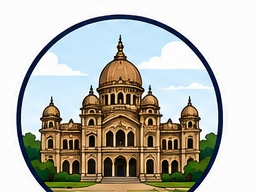
Main attractions in Vadodara city - Laxmi Vilas Palace — the grand palace of the Gaekwad dynasty and one of the city’s defining landmarks; known for its scale, Indo-Saracenic architecture, and grounds. - Maharaja Fateh Singh Museum — located within the palace estate; houses art collections and royal-era objects. - Sayaji Baug (Kamati Baug) — a major public garden and recreational area with zoo, museum, and family attractions. - Baroda Museum & Picture Gallery — a major museum founded in the princely era, with art, natural history, ethnography, and antiquities. - Kirti Mandir — cenotaph and memorial associated with the Gaekwad royal family. - EME Temple (Dakshinamurthy Temple) — a distinctive modern temple known for its unusual architecture and military association. - Sursagar Lake — central city water body and a familiar urban landmark.
Historic and regional sites in the district or nearby cultural orbit - Champaner-Pavagadh Archaeological Park — UNESCO World Heritage Site in neighboring Panchmahal district but strongly linked to the wider Vadodara travel circuit. - Pavagadh Hill and Kalika Mata Temple — major pilgrimage and sightseeing destination commonly visited from Vadodara. - Dabhoi Fort and gates — historic fortified town in Vadodara district known for medieval architecture. - Kayavarohan — noted pilgrimage destination associated with Lakulish Shaivism. - Nareshwar on the Narmada corridor — spiritually important for some visitors from the region.
Museums, learning, and heritage - Maharaja Sayajirao University campus contributes to the city’s cultural and educational character. - Royal-era institutions, old neighborhoods, and public buildings reflect Baroda’s legacy as one of princely India’s most reform-oriented states.
Visitor experience - Vadodara is often valued less for a single tourist spectacle than for its combination of: - palace heritage - museums - gardens - festival culture - good road and rail connectivity - It also serves as a convenient base for excursions into central and eastern Gujarat.
RecreationOpen ↗
Recreation in Vadodara district ranges from city parks and club life to heritage walks, sports grounds, and weekend trips into nearby hill and river landscapes.
Urban recreation - Sayaji Baug is one of the city’s most important public recreation spaces for walking, family outings, and leisure. - Sursagar Lake area functions as an urban promenade and gathering point. - Neighborhood gardens, club grounds, and school campuses support daily exercise and informal sports.
Sports and fitness - Residents use gyms, yoga studios, swimming pools, badminton halls, cricket grounds, and tennis facilities across the city. - Clubs and institutions provide organized recreation, especially for middle-class families and students.
Weekend and short-trip activities - Excursions often include: - heritage visits to Dabhoi - day trips toward Champaner-Pavagadh - religious outings to Kayavarohan or riverbank shrines - seasonal drives into greener eastern Gujarat
Boating and family leisure - Recreational boating has at times been associated with select urban water bodies and garden attractions, subject to local operations and seasonal conditions.
Golf and clubs - The palace estate and elite clubs have historically supported golf and club recreation in Vadodara, though access may be restricted or membership-based.
Children and family recreation - Gardens, zoo visits, toy-train style attractions historically associated with Sayaji Baug, and seasonal fairs remain part of family leisure culture.
Outdoor limitations and opportunities - Vadodara is not primarily known as a hiking or mountain district, but it benefits from proximity to hill, forest, and heritage landscapes reachable by road. - The best outdoor recreation is often seasonal, especially after the monsoon when the surrounding countryside is greener.
Parks & natureOpen ↗
Vadodara district mixes urban green spaces with agricultural landscapes, river corridors, and access to the more forested and hilly belts of eastern Gujarat.
Major parks and green spaces - Sayaji Baug (Kamati Baug) — the city’s signature park, combining gardens, tree cover, institutions, and leisure spaces. - Ajwa area gardens and recreational landscape — associated with the reservoir zone and outings from the city. - Municipal gardens and neighborhood parks are distributed across Vadodara’s residential areas.
Nature in and around the district - Much of the district is a settled plain with agriculture, villages, industrial zones, and urban expansion. - Natural experiences are often tied to: - riverbanks - reservoir surroundings - monsoon greenery - wetlands and seasonal water bodies
Nearby regional nature destinations - Jambughoda Wildlife Sanctuary is not in Vadodara district but is a notable nearby wildlife destination often visited from Vadodara. - The Pavagadh landscape offers rocky hill scenery and biodiversity in the wider region. - Eastern Gujarat’s tribal and forest belts are accessible for longer nature outings.
Wildlife - Urban biodiversity includes common birdlife, garden species, and wetland-associated birds where habitat persists. - Larger wildlife viewing typically requires travel beyond the urban core and into sanctuary areas of neighboring districts.
Environmental issues - As a heavily industrialized and urbanizing district, Vadodara also faces environmental pressures such as: - water pollution concerns in some stretches - loss of open land - pressure on wetlands and drainage channels - air-quality impacts from traffic and industry
Rivers, lakes & waterwaysOpen ↗
Waterways are central to Vadodara district’s geography, water supply, and historical settlement patterns.
Main rivers - Vishwamitri River — the principal river flowing through Vadodara city; important to the city’s geography but also associated with flooding and pollution concerns. - Dhadhar River — another important river system in the district and wider region. - The district is also influenced by the broader Narmada regional water system, though the main river does not define the city center itself.
Lakes and reservoirs - Sursagar Lake — prominent urban lake in central Vadodara, both a visual landmark and public gathering space. - Ajwa Reservoir — historically important to Vadodara’s water supply and a familiar excursion point. - Pratappura and associated waterworks landscapes have played roles in the city’s water infrastructure history.
Wetlands and drainage - Seasonal wetlands, ponds, and low-lying channels are important for monsoon drainage, especially along the Vishwamitri system. - Parts of the district are vulnerable to waterlogging and floodplain encroachment.
Water-related concerns - The Vishwamitri is frequently discussed in relation to: - urban flooding - sewage and pollution management - crocodile habitat in and around the river corridor - Water management remains a significant issue due to urban growth, monsoon intensity, and infrastructure pressures.
Recreation and scenic value - Water bodies in Vadodara are more important for urban identity, ecology, and utility than for large-scale waterfront tourism. - Reservoir and river-edge visits are usually informal and seasonal rather than highly developed destination recreation.
Arts & cultureOpen ↗
Vadodara has one of western India’s strongest cultural reputations, shaped by the Gaekwad rulers, art education, music traditions, and a long-standing commitment to public institutions.
Cultural identity - Historically known as Baroda, the city became a major center of reform, education, and patronage under the Gaekwad dynasty. - It is especially respected for: - fine arts education - museum culture - architecture - classical and modern music - dance and literary life
Museums and galleries - Baroda Museum & Picture Gallery — one of Gujarat’s most important museums. - Maharaja Fateh Singh Museum — royal collection and art museum. - Faculty of Fine Arts, Maharaja Sayajirao University of Baroda — perhaps the city’s single most influential institution in modern Indian art; associated with generations of major artists and art historians.
Performing arts - Vadodara has an active tradition in: - Hindustani classical music - dance schools and academies - theater groups - college and university cultural festivals - Auditoriums and educational institutions frequently host music, drama, lectures, and exhibitions.
Festivals and public culture - Navratri is among the city’s most visible cultural celebrations, with large-scale garba and dance events. - Diwali, Uttarayan, Holi, Eid, Christmas, and Jain and regional observances all contribute to the district’s cultural calendar.
Heritage architecture - Important architectural expressions include: - Laxmi Vilas Palace - royal memorials and administrative-era buildings - educational institutions from the princely and colonial periods - temples and old city urban fabric
Literary and intellectual life - The presence of The Maharaja Sayajirao University of Baroda has sustained lecture culture, publishing, debates, student arts, and scholarly communities. - Vadodara has also been associated with Gujarati literature and broader public intellectual life in the state.
ReligionOpen ↗
Vadodara district is religiously diverse, with Hindu, Muslim, Jain, Christian, Sikh, and smaller religious communities, reflecting both historic settlement and modern migration.
Religious composition - Hinduism is the majority religion in the district. - Significant Muslim and Jain communities are part of the city’s social and commercial fabric. - Christian, Sikh, and other smaller communities are also present.
Major Hindu sites - EME Temple — a well-known modern temple in Vadodara city. - Kirti Mandir has memorial significance with Hindu architectural elements. - Kayavarohan in the district is an important Shaivite pilgrimage center. - Numerous neighborhood temples serve residential communities throughout the city and district.
Muslim religious life - Vadodara has mosques and dargahs serving long-established Muslim communities and newer urban populations. - The old city includes historically rooted Islamic places of worship.
Jain community - Jain temples and community institutions are important in Vadodara’s religious and mercantile life. - The district’s broader Gujarat context gives Jain religious organizations a visible public presence.
Christian churches - The city has Catholic and Protestant churches serving local congregations, schools, and charitable works.
Sikh and other communities - Gurdwaras and community organizations support Sikh residents and visitors. - Smaller spiritual movements, satsang centers, and interfaith organizations are also active.
Religion in public life - Major festivals celebrated in the district include: - Navratri - Diwali - Janmashtami - Eid - Muharram observances - Christmas - Mahavir Jayanti - Religious processions and festival gatherings are a visible part of community life, especially in the city.
SportsOpen ↗
Sports in Vadodara district are rooted in school and university competition, cricket culture, club sport, and the legacy of royal patronage.
Major sports - Cricket is the most widely followed sport, with strong participation at school, club, and amateur levels. - Football, badminton, tennis, swimming, athletics, and table tennis also have active local communities. - Traditional and community sports remain important in schools and local grounds.
Venues and infrastructure - BCA Stadium, Vadodara — associated with the Baroda Cricket Association and an important cricket venue in the district. - Moti Bagh Stadium — historically significant sports ground in the city. - University grounds, school campuses, club facilities, and indoor courts support regular play and tournaments.
Institutional support - Baroda Cricket Association is one of the best-known sporting institutions linked to the district. - The Maharaja Sayajirao University of Baroda and schools across the city contribute to intercollegiate and youth sports. - Private clubs and gymkhanas provide facilities for racquet sports, swimming, and fitness.
Notable sporting identity - The former Baroda cricket team has produced several nationally known cricketers. - Vadodara has a particularly strong reputation in women’s cricket through figures associated with the city and region.
Community sport - Public grounds and neighborhood spaces host informal cricket, volleyball, running, and seasonal tournaments. - Recreation centers and coaching academies are common in the urban area.
EventsOpen ↗
Vadodara district has a lively calendar shaped by religious festivals, university culture, civic celebrations, and seasonal fairs.
Major annual events - Navratri — the city is especially known for large-scale garba celebrations, community dance events, and music programs. - Diwali — markets, sweets, lighting, and family-centered festivities across the district. - Uttarayan (Makar Sankranti) — kite-flying celebrations, as in much of Gujarat. - Holi — community celebrations in neighborhoods and institutions. - Eid and Christmas — observed by local religious communities and in public life.
Cultural and educational events - University festivals, art exhibitions, lecture series, and student cultural programs are a recurring part of the city’s annual rhythm. - Fine arts, music, and dance events are often hosted by educational institutions and cultural organizations.
Community and public events - Trade fairs, industrial exhibitions, book events, and consumer expos are periodically held in the city. - Seasonal fairs at temple grounds, clubs, and public venues attract families and local vendors. - Residents also attend major events linked to nearby Champaner-Pavagadh pilgrimage and tourism circuits.
Markets and recurring gatherings - Neighborhood markets and festive bazaars become especially active during holiday seasons. - Farmers-market style local produce trade exists, though not always under a single branded citywide event structure.
Sports events - Local cricket tournaments, school meets, intercollegiate competitions, and club championships are regularly held.
_Data not readily available for this location._
MediaOpen ↗
Vadodara district is served by Gujarati, Hindi, and English-language media, with strong connections to the wider state media ecosystem centered in Ahmedabad and Gujarat’s regional broadcasting networks.
Print and news outlets - Widely read Gujarati newspapers available in Vadodara include: - Gujarat Samachar - Sandesh - Divya Bhaskar - English-language newspapers with circulation in the city include national dailies and regional editions. - The Times of India has had a Vadodara edition/presence serving local urban readers. - Local reporting is also carried by city supplements and district correspondents.
Television - Residents watch national news channels in Gujarati, Hindi, and English. - Regional Gujarati channels cover district politics, civic issues, business, and festivals. - Cable and DTH services are standard in urban areas.
Radio - All India Radio (Akashvani) services reach the district. - FM radio includes public and private stations carrying music, traffic updates, and local announcements.
Digital media - Vadodara’s local news is widely consumed through: - newspaper websites and apps - Gujarati digital news platforms - local Instagram, YouTube, and Facebook news pages - messaging-based circulation of neighborhood and civic updates
Media themes in the district - Frequent coverage topics include: - urban infrastructure - flooding and the Vishwamitri River - industry and pollution - education - elections and civic governance - festivals and cultural events
Prominent personalitiesOpen ↗
- Maharaja Sayajirao Gaekwad III — reformist ruler of Baroda State, remembered for expanding education, public institutions, and modernization.
- Maharani Chimnabai II — influential royal figure associated with social reform and women’s advancement in Baroda.
- B. V. Doshi — Pritzker Prize-winning architect closely associated with Vadodara through education and modern Indian design networks.
- N. S. Bendre — major Indian painter and teacher linked to Baroda’s influential art world.
- Gulammohammed Sheikh — artist, writer, and teacher associated with the Faculty of Fine Arts in Baroda.
- Bhupen Khakhar — internationally known painter and writer strongly identified with the Baroda art movement.
- K. G. Subramanyan — major modern Indian artist and pedagogue associated with Baroda’s art education.
- Jyoti Bhatt — artist and printmaker noted for his work in modern Indian art and links to Baroda.
- Ratan Parimoo — art historian and scholar associated with Baroda’s art institutions.
- Irfan Pathan — international cricketer from Vadodara, known for representing India as an all-rounder.
- Yusuf Pathan — international cricketer from Vadodara, known for powerful batting and India appearances.
- Hardik Pandya — international cricketer raised in Vadodara and one of India’s best-known contemporary all-rounders.
- Krunal Pandya — professional cricketer from Vadodara, known for domestic and international play.
- Kiran More — former Indian wicketkeeper and cricket administrator associated with Baroda cricket.
- Anshuman Gaekwad — former Indian cricketer from the Baroda royal lineage.
- Mrunal Thakur — actor born in Dhule but educated in Vadodara for part of her schooling; her strongest identification is broader Indian cinema rather than the district itself.
Some notable personalities connected to Vadodara are more strongly associated with the historical Baroda cultural sphere than with the current district administrative boundary.
Notable companiesOpen ↗
Vadodara district hosts several of Gujarat’s best-known industrial and institutional employers.
Major companies and employers - Gujarat State Fertilizers & Chemicals (GSFC) — major fertilizer and chemicals company headquartered in Vadodara. - Gujarat Alkalies and Chemicals Limited (GACL) — important chemicals producer headquartered in Vadodara. - Alembic Pharmaceuticals — major pharmaceutical company historically rooted in Vadodara. - Indian Oil Corporation – Gujarat Refinery, Koyali — one of India’s key refineries, located in the district. - Larsen & Toubro (L&T) — engineering and manufacturing presence in the Vadodara region. - Deepak Nitrite / Deepak Group — notable chemicals company with a strong Vadodara connection. - Bombardier Transportation / Alstom — rail manufacturing presence in the Savli area. - ABB India and other engineering firms have had important operations in the region.
Industrial clusters - Makarpura GIDC — engineering, fabrication, and industrial manufacturing. - Nandesari GIDC — chemicals and industrial processing cluster. - Savli — rail, manufacturing, and logistics growth corridor. - Koyali — refinery-linked industrial activity.
Knowledge and service institutions as employers - The Maharaja Sayajirao University of Baroda - Parul University - large hospital systems - banks, insurance firms, retail chains, and hospitality groups
Business character - Vadodara’s company profile is especially notable for the combination of: - public-sector and state-linked industry - legacy private manufacturing - pharmaceutical firms - engineering services - education-led employment
Sister citiesOpen ↗
_Data not readily available for this location._
Local organizationsOpen ↗
Local Organizations
Vadodara district and Vadodara city have a dense civic and institutional network shaped by education, industry, philanthropy, religion, and neighborhood life.
Business and civic bodies - Vadodara Chamber of Commerce and Industry (VCCI) — one of the best-known business associations in the city, representing trade and industry interests. - Rotary clubs in Vadodara — multiple chapters support health camps, education, sanitation, and youth programs. - Lions Clubs in Vadodara — active in eye care, blood donation, and local welfare work. - Federation of trade and industrial associations linked to the wider Gujarat business community also influence district development.
Community and nonprofit activity - United Way of Baroda — a prominent local nonprofit platform known for coordinating community giving, NGO support, and volunteering. - Local charitable trusts connected to hospitals, schools, temples, mosques, derasars, and community halls are important in everyday social support. - Women’s self-help groups and neighborhood associations operate in both urban and peri-urban parts of the district. - Youth and student organizations tied to Maharaja Sayajirao University of Baroda and local colleges contribute to cultural, environmental, and social campaigns.
Education and culture institutions with community roles - The Maharaja Sayajirao University of Baroda — beyond higher education, it is a major cultural and civic anchor. - Baroda Museum and Picture Gallery and associated cultural societies help preserve heritage and public history. - Public libraries and reading circles remain important in a city known for education and the arts.
Health and service organizations - Indian Red Cross Society, local branches and blood banks support emergency and health-related needs. - Hospital-linked charities and donor networks often organize medical camps, thalassemia support, and blood donation drives. - Animal welfare groups and citizen rescuers are active, as in many growing Indian cities.
Faith-based and social-service networks - Hindu, Muslim, Jain, Sikh, and Christian institutions in the district often run: - free meal programs - educational scholarships - clinics or health camps - community celebrations - relief work during floods or heat waves
What residents often look for People in Vadodara commonly connect with local organizations for: - blood donation camps - student scholarships - women’s support networks - senior citizen groups - business networking - neighborhood cleanliness drives - festival volunteering - environmental work, especially tree planting and lake or river cleanups
Practical note For current participation opportunities, the most reliable starting points are VCCI, United Way of Baroda, MSU Baroda, the Vadodara Municipal Corporation, and major local newspapers’ event listings.
Education statisticsOpen ↗
Education Statistics
Vadodara is widely recognized as one of Gujarat’s major education centers, led by The Maharaja Sayajirao University of Baroda (MSU) and a broad mix of schools, colleges, technical institutes, and professional programs.
Overall picture - Gujarat has high school participation by Indian standards, but precise literacy and completion rates should be confirmed through the Census of India, National Statistical Office, and state education reports. - Vadodara city has long had a reputation for comparatively strong educational infrastructure within Gujarat. - The district includes urban and rural areas, so educational outcomes can vary significantly by block and income level.
Literacy and attainment - District-level literacy rate: Official figures are available from the 2011 Census of India and subsequent government publications. - Male-female literacy gap: Present, as in most districts, though urban areas like Vadodara typically perform better than many rural areas. - Urban educational attainment: Higher than many surrounding rural areas due to concentration of colleges, English-medium schools, and professional institutes.
Schools and higher education Vadodara district includes: - government schools - grant-in-aid schools - private schools - CBSE and ICSE-affiliated schools - Gujarat state board schools - vocational and technical institutes - engineering, arts, science, commerce, law, and fine arts colleges
Major institutions - The Maharaja Sayajirao University of Baroda — one of Gujarat’s most important public universities, noted for arts, science, commerce, engineering, and performing arts. - Parul University — a major private university in the district. - Navrachana University — a private university with programs in design, engineering, business, environment, and liberal studies. - Other technical and professional colleges contribute to the district’s skilled workforce.
Rankings and reputation - MSU Baroda appears periodically in Indian higher-education ranking discussions, though exact yearly positions vary by ranking framework. - Some local schools are well regarded regionally, but rankings change often and are best checked directly with official school boards and recognized ranking bodies.
Graduation and outcomes - Districtwide graduation-rate data is not usually summarized in a single simple public source. - University placement outcomes vary by institution and discipline, with engineering, pharmacy, management, and design graduates often linked to Gujarat’s industrial economy.
Education strengths - Strong legacy in fine arts and performing arts - Major center for engineering and technical education - Good access to English-medium and Gujarati-medium schooling - Important role in training for industry, chemicals, manufacturing, and services
Caution on data _Data not readily available for this location._
Best sources to consult - Census of India - Gujarat Education Department - UDISE+ school education data - NIRF and university official reports - AISHE higher education data - Official university websites
Public utilitiesOpen ↗
Public Utilities
Vadodara district’s utilities are managed through a mix of municipal agencies, state utilities, and regulated public-sector providers.
Electricity - Madhya Gujarat Vij Company Limited (MGVCL) is the principal electricity distribution utility serving Vadodara and much of central Gujarat. - Power generation and statewide transmission are linked to Gujarat’s broader electricity system. - Urban service is generally stronger than in rural pockets, though outages can still occur during storms, heat stress, or maintenance work.
Water supply - Vadodara Municipal Corporation (VMC) manages municipal water supply within city limits. - Water sources and treatment arrangements are part of the wider regional network, with supply conditions depending on season, demand, and infrastructure. - Rural water schemes in the district are overseen by state and local government agencies.
Sewerage and sanitation - VMC oversees sewerage infrastructure, drainage, and wastewater systems in the city. - Expansion of underground drainage and treatment capacity has been part of ongoing urban improvement efforts. - In outlying areas, sanitation arrangements may be less uniform than in the urban core.
Solid waste management - Municipal authorities handle household waste collection, street sweeping, and disposal in city areas. - Segregation, composting, and recycling initiatives have grown under national cleanliness and smart-city style programs, though implementation varies by ward.
Piped gas and fuel - Gujarat is one of India’s stronger states for city gas infrastructure. - Gujarat Gas is a major provider in many parts of Gujarat and is relevant to Vadodara’s urban economy. - LPG cylinders remain important, especially where piped gas is not available.
Telecommunications and internet Residents commonly rely on: - BSNL - Jio - Airtel - Vi - wired broadband providers in urban neighborhoods
Public transport-related utilities - City bus services and regional transport support mobility, though not a utility in the narrow sense. - Railway infrastructure is significant because Vadodara is on a major national corridor.
Common resident concerns - summer water pressure and supply timing - monsoon drainage and waterlogging - transformer or feeder outages - waste collection reliability by neighborhood - roadwork affecting underground utility repairs
Practical guidance For current billing, outage, or complaint information, the main official points of contact are: - Vadodara Municipal Corporation - MGVCL - Gujarat Gas - district administration portals - state utility helplines
SafetyOpen ↗
Safety
Vadodara is generally regarded as one of Gujarat’s major urban centers with a mix of residential, educational, industrial, and commercial areas. Safety conditions vary by neighborhood, time of day, traffic intensity, and weather.
Emergency numbers in India - 112 — national emergency response support - 100 — police - 101 — fire - 108 — ambulance/emergency medical response in many parts of India
Law enforcement - Vadodara City Police handles policing in the urban area. - Vadodara district police administration covers non-city jurisdictions. - Police stations, traffic police, and women’s help resources are part of the wider Gujarat policing framework.
Crime overview - As in most Indian cities, common concerns are typically: - theft and petty property crime - traffic accidents - frauds and online scams - disputes in crowded markets or transport hubs - Serious crime exists but is not the defining day-to-day experience for most residents. - Visitors usually find major educational, commercial, and residential areas manageable with normal urban precautions.
Traffic safety Traffic risk is often more immediately relevant than violent crime. - Use caution at major intersections. - Expect mixed traffic: cars, two-wheelers, auto-rickshaws, buses, cyclists, and pedestrians. - Monsoon rains can reduce visibility and create slippery roads.
Safety for women travelers - Vadodara is often seen as comparatively orderly by regional urban standards, especially in established neighborhoods. - Even so, standard precautions are sensible: - prefer trusted transport at night - share ride details when possible - stay in well-reviewed accommodation - avoid isolated areas late at night
Monsoon and heat safety - Monsoon: temporary flooding, waterlogging, and transport disruption can occur. - Summer heat: dehydration and heat exhaustion are real risks, especially from April to June. - Air quality: can worsen seasonally due to dust, traffic, and industry.
Visitor safety tips - Keep valuables secure in crowded areas. - Use app-based or clearly identified transport when possible. - Drink safe water; many visitors prefer filtered or sealed bottled water. - Follow local advice during heavy rain, flooding, or heat alerts. - Verify online payment requests and avoid QR-code scams.
Industrial and infrastructure context Because Vadodara district has significant industry and transport infrastructure, some areas may have: - heavy truck traffic - hazardous-material transport routes - industrial safety restrictions
Bottom line For most residents and visitors, the main safety issues are practical rather than exceptional: traffic discipline, weather conditions, scams, and routine urban awareness.
EnvironmentOpen ↗
Environment
Vadodara district sits in a largely plains landscape of central Gujarat, with an environment shaped by urban growth, agriculture, industry, lakes, drainage channels, and the wider Vishwamitri river system.
Natural setting - The district includes urban, suburban, industrial, and rural zones. - The Vishwamitri River is closely associated with Vadodara city. - Seasonal water bodies, ponds, and green patches remain important for biodiversity and flood management.
Climate - Hot semi-arid to tropical conditions influence everyday life. - Summers are very hot. - Monsoon season brings most annual rainfall. - Winters are usually milder and more comfortable.
Air quality - Air quality can fluctuate due to: - road dust - vehicle emissions - construction - industrial activity - seasonal burning in some areas - Conditions are often better monitored through national and state pollution control systems than through local anecdote.
Water and drainage - Urban drainage is a recurring concern during heavy rain. - Surface-water quality in urban rivers and canals can be affected by sewage, runoff, and development pressure. - Safe drinking water depends on treatment and distribution quality rather than raw source conditions alone.
Biodiversity and notable environmental features - Vadodara is known in public discussion for urban wildlife associated with the Vishwamitri river corridor, including crocodiles in and around river stretches. - Parks, gardens, and campus landscapes support urban birds and tree cover. - The district is not generally known as a major mountain or forest destination, but local ecological value remains significant.
Protected areas and parks - Within the district and nearby region, residents use public gardens, lakesides, and regional natural areas for recreation. - Official protected-area status should be verified through the Gujarat Forest Department and related agencies.
Sustainability and civic action Common environmental priorities include: - river and lake cleanup - tree plantation drives - waste segregation - reduction of plastic litter - improved sewage treatment - flood resilience planning
Recycling and waste - Recycling largely depends on a mix of municipal systems, private scrap networks, and informal-sector recovery. - Source segregation is promoted but varies in practice.
Main environmental challenges - river pollution and encroachment - monsoon flooding and waterlogging - pressure from urban expansion - traffic emissions - balancing industry with public health and ecology
Main environmental strengths - strong civic awareness in parts of the city - institutional capacity through universities and NGOs - tradition of public gardens and cultural landscapes - growing interest in sustainable urban planning
Future developmentOpen ↗
Future Development
Vadodara district’s future is tied to Gujarat’s industrial growth, transport upgrading, urban expansion, and education-led development.
Major drivers of change - Industrial growth in chemicals, engineering, manufacturing, and services - Urban expansion beyond the historic city core - Transport modernization on major rail and highway corridors - Higher education and research as economic anchors
Infrastructure priorities Likely and widely discussed areas of development include: - road widening and junction improvements - drainage and flood-management projects - water supply and sewerage expansion - public transport improvements - digital governance and smart-city systems - housing and urban redevelopment
Rail and regional connectivity - Vadodara’s position on the Delhi–Mumbai rail corridor makes rail modernization highly relevant. - Broader western India infrastructure programs may influence logistics, business travel, and commuter movement. - The Mumbai–Ahmedabad High-Speed Rail corridor has had major public attention in Gujarat, and the Vadodara area is relevant to this wider project framework.
Urban planning themes - pressure to preserve heritage while accommodating growth - redevelopment of older neighborhoods and industrial edges - improvement of lakes, riverfront stretches, and green spaces - stronger disaster resilience for monsoon flooding and extreme heat
Economic outlook Vadodara’s economy is supported by: - petrochemicals and chemicals - engineering and manufacturing - education - health services - retail and real estate - logistics and transport
Development constraints - uneven infrastructure quality between areas - drainage stress during intense rainfall - environmental concerns around river systems and industry - traffic congestion in growth corridors - land-use conflict between conservation, agriculture, and urbanization
Likely future opportunities - stronger knowledge economy around universities - cleaner public transport and mobility upgrades - industrial innovation and supply-chain investment - better waste and wastewater treatment - heritage and culture-based tourism improvements
Important caveat Project timelines, budgets, and completion dates change frequently. The most dependable updates come from: - Vadodara Municipal Corporation - Gujarat government departments - district administration - Indian Railways and related project authorities - major reputable news outlets
DemographicsOpen ↗
Demographics
Vadodara district includes a large urban population centered on Vadodara city, along with towns, villages, industrial settlements, and agricultural communities. The district is socially and linguistically diverse, with strong Gujarati cultural foundations and significant migration from elsewhere in India.
Overview - Primary language: Gujarati - Widely used languages: Hindi and English, especially in education, business, and administration - Religious profile: Predominantly Hindu, with Muslim, Jain, Christian, Sikh, and other communities present - Settlement pattern: Highly urbanized core with rural and semi-rural peripheries
Demographic snapshot
| Category | Notes | |---|---| | Population | Official counts available from Census of India; district totals have changed since 2011 due to growth | | Urban/Rural | Strong urban concentration in and around Vadodara city, with rural populations across the district | | Languages | Gujarati dominant; Hindi widely understood; English common in higher education and formal sectors | | Migration | In-migration linked to industry, education, and services | | Household structure | Mix of nuclear and extended families |
Composition table
| Dimension | Broad picture | |---|---| | Ethnic/Social composition | Predominantly Gujarati communities with internal caste, tribal, and regional diversity; migrant populations from other Indian states are also present | | Religion | Hindu majority; Muslim, Jain, Christian, Sikh and other smaller communities contribute to the district’s social fabric | | Age groups | Large working-age population, significant student presence in the city, and growing senior population | | Language distribution | Gujarati most common; Hindi important in trade and migration contexts; English significant in schools, universities, and business |
Notes on interpretation - Districtwide averages can hide major differences between city wards and rural talukas. - Industrial and educational migration has made parts of Vadodara more mixed than a simple district profile suggests. - Scheduled Tribe and Scheduled Caste populations are present in the district, but exact proportions should be taken from census tables.
Data caution For precise percentages by religion, language, caste category, sex ratio, literacy, and age distribution, use the latest available Census of India releases and district statistical handbooks.
Interesting factsOpen ↗
Interesting Facts
- Vadodara is historically also known as Baroda, and both names remain widely recognized.
- The district’s main urban center is Vadodara city, one of Gujarat’s largest and most influential cities.
- Vadodara was a princely state capital under the Gaekwad dynasty, which left a strong mark on its architecture and institutions.
- Lakshmi Vilas Palace in Vadodara is one of the city’s most famous landmarks and a symbol of royal-era grandeur.
- The Maharaja Sayajirao University of Baroda is one of western India’s significant public universities.
- Vadodara has a strong reputation for the arts, especially fine arts, music, dance, and design education.
- The district is an important industrial hub in Gujarat, with chemicals, engineering, and manufacturing among key sectors.
- Vadodara lies on a major rail corridor, helping make it a strategic transport center in western India.
- The city’s location between Ahmedabad and Mumbai has long helped its commercial importance.
- Gujarati is the dominant language, but Hindi and English are also widely used.
- The Vishwamitri River is closely associated with the city’s landscape and environmental challenges.
- Vadodara is often noted for its urban crocodile population linked to the Vishwamitri river system.
- The city has a long educational legacy dating back to reform-oriented rulers and later public institutions.
- Baroda Museum and Picture Gallery is one of the notable cultural institutions in the area.
- Navratri is a major cultural event in Vadodara, with large public participation in garba celebrations.
- The district combines old heritage areas with modern suburbs and industrial expansion.
- Vadodara’s urban form includes gardens, campuses, and broad roads in some planned areas.
- The city has produced and hosted many artists, academics, civil servants, and industrial professionals.
- Vadodara Airport provides domestic air connectivity, complementing strong rail access.
- The district is a good example of how royal heritage, industry, and education can shape one regional center at the same time.
FAQOpen ↗
FAQ
Q: Where is Vadodara district located? A: Vadodara district is in the state of Gujarat in western India, with Vadodara city as its main urban center.
Q: Is Vadodara the same as Baroda? A: Yes. Baroda is the historic and widely used older English name for Vadodara.
Q: What is Vadodara best known for? A: It is known for royal heritage, education, industry, cultural institutions, and major Navratri celebrations.
Q: What language do people speak in Vadodara? A: Gujarati is the main language. Hindi and English are also commonly used.
Q: Is Vadodara a city or a district? A: It is both a city and a district; this profile is for the district, centered on Vadodara city.
Q: What is the main university in Vadodara? A: The Maharaja Sayajirao University of Baroda is the district’s best-known public university.
Q: Is Vadodara good for students? A: Yes. It is widely regarded as an important education center in Gujarat.
Q: What industries are important in Vadodara? A: Chemicals, petrochemicals, engineering, manufacturing, education, services, and trade are all important.
Q: Does Vadodara have an airport? A: Yes, Vadodara Airport serves the city with domestic flight connections.
Q: How is Vadodara connected by rail? A: It sits on one of India’s major rail corridors and has strong train connectivity.
Q: Is Vadodara safe for visitors? A: Generally yes, with normal urban precautions. Traffic and weather-related disruption are common practical concerns.
Q: What is the emergency number in Vadodara? A: In India, 112 is the main all-in-one emergency number; 100 police, 101 fire, and 108 ambulance are also commonly referenced.
Q: What is the climate like in Vadodara? A: It is hot for much of the year, with a monsoon season and milder winters.
Q: When is the best time to visit Vadodara? A: Many visitors prefer the cooler months after the monsoon and during winter.
Q: What are the main tourist attractions? A: Popular points of interest include Lakshmi Vilas Palace, museums, gardens, temples, and heritage areas.
Q: Is Vadodara expensive? A: It is generally more affordable than India’s largest metros, though costs vary by neighborhood and lifestyle.
Q: What is the river in Vadodara? A: The Vishwamitri River is the river most closely associated with the city.
Q: Are there crocodiles in Vadodara? A: Vadodara is known for crocodiles associated with the Vishwamitri river system.
Q: What public utility provides electricity in Vadodara? A: MGVCL is the key electricity distribution utility for the area.
Q: Where should I look for official local information? A: Start with the Vadodara district administration, Vadodara Municipal Corporation, Gujarat government portals, and official institutional websites.
ImagesOpen ↗
Vadodara skyline image search Vadodara downtown street scene image search Lakshmi Vilas Palace Vadodara image search Sayaji Baug Vadodara image search Vishwamitri River Vadodara image search Vadodara museum and heritage buildings image search Vadodara university campus image search Vadodara Navratri garba festival image search Vadodara local food and street food image search Vadodara aerial view image search
VideosOpen ↗
Vadodara travel guide video search Vadodara walking tour video search Vadodara drone footage video search Vadodara history documentary video search Lakshmi Vilas Palace Vadodara video search Vadodara Navratri garba video search Vadodara street food tour video search Vadodara local news video search MSU Baroda campus tour video search Vadodara monsoon and city life video search
MapsOpen ↗
Vadodara district political map search Vadodara terrain map search Vadodara satellite map search Vadodara road map search Vadodara public transport map search Vadodara railway map search Vadodara ward map search Vadodara land use map search Vadodara flood risk map search Vadodara bike route map search
Social Pulse communityOpen ↗
Social Pulse Community
Vadodara district has enough scale and diversity to support many types of community spaces, both online and offline. A strong Social Pulse page for Vadodara could help residents, students, migrants, researchers, and families connect across neighborhoods and institutions.
Good community group ideas - New to Vadodara — for newcomers, students, relocated workers, and families - Vadodara Local History — royal history, Gaekwad heritage, old neighborhoods, archives, photo sharing - MSU and Student Life — housing, events, scholarships, study groups, internships - Vadodara Parents Network — schools, activities, tutoring, child health, admissions timelines - Women of Vadodara — safety tips, entrepreneurship, mentoring, support resources - Senior Citizens of Vadodara — health camps, social meetups, transport help, legal awareness - Vadodara Entrepreneurs and Small Business — licensing, networking, supplier referrals, hiring - Artists of Baroda — exhibitions, music, theater, dance, fine arts, design collaborations - Vadodara Environment Watch — tree drives, river concerns, waste segregation, birding, urban ecology - Vadodara Food Community — local eateries, home chefs, traditional Gujarati food, student-budget meals
Volunteer opportunities to highlight - blood donation drives - literacy and tutoring support - tree planting campaigns - river and neighborhood cleanup events - hospital volunteering where permitted - animal rescue support - food distribution and relief drives - elder care outreach - disability inclusion and accessibility advocacy
Useful local directory categories - NGOs and charitable trusts - schools and colleges - libraries and study spaces - hospitals and clinics - temples, mosques, churches, gurdwaras, derasars - sports clubs and fitness groups - cultural institutions and museums - resident welfare associations - business associations and chambers
Community resources worth curating - Food banks and meal support — local charitable kitchens, temple meal services, NGO distribution efforts - Farmers markets and fresh produce — neighborhood markets and wholesale vegetable areas - Jobs board — education, manufacturing, retail, healthcare, student internships - Housing and rentals — student hostels, family rentals, PG listings, neighborhood guides - Classifieds — furniture, books, bicycles, electronics, local services - Events calendar — exhibitions, college festivals, garba events, public lectures, blood drives - Tourism and heritage — self-guided itineraries, museum visits, gardens, architecture trails - Local history archive — old photos, maps, oral histories, former Baroda State references - Family Tree connections — surname groups, migration stories, ancestral villages in the district - Celebrate a Life memorials — respectful obituary and remembrance space for local families
Discussion topics that would likely work well - Best neighborhoods for families, students, and retirees - How monsoon flooding affects daily commuting - Preserving heritage while the city grows - Where to find reliable public services - Local art and music scenes - Vadodara vs Ahmedabad for work and study - Safe cycling and walking routes - Affordable local food and traditional dishes - Railway travel tips from Vadodara Junction - Community responses to heat waves and water stress
Community tone to aim for - practical - respectful across languages and faiths - useful to both long-time residents and new arrivals - supportive of civic pride without boosterism
Metadata & searchOpen ↗
SEO Title: Vadodara District, Gujarat, India Guide | Demographics, Safety, Utilities, Community SEO Description: Explore Vadodara district in Gujarat: demographics, safety, utilities, environment, education, local organizations, maps, and practical FAQs. Keywords: Vadodara district, Baroda, Vadodara Gujarat, Vadodara city, Vadodara demographics, Vadodara safety, Vadodara utilities, Vadodara education, Vadodara tourism, Gujarat districts Hashtags: #Vadodara #Baroda #Gujarat #India #VadodaraDistrict #MSUBaroda #LakshmiVilasPalace #VisitVadodara Alternate spellings: Vadodara, Baroda, Vadodra Nearby locations: Anand, Bharuch, Ahmedabad, Narmada district, Chhota Udepur, Kheda, Panchmahal Categories: District, Urban Region, Education Hub, Industrial Region, Heritage Destination Tags: Gujarat district, western India, Gaekwad history, university city, industry, rail hub, Vishwamitri River, Navratri
ReferencesOpen ↗
References
- Vadodara District Administration (official)
- Vadodara Municipal Corporation (official)
- Government of Gujarat (official portal)
- Census of India
- The Maharaja Sayajirao University of Baroda (official)
- Parul University (official)
- Navrachana University (official)
- Madhya Gujarat Vij Company Limited (official)
- Gujarat Gas (official)
- Vadodara Airport / Airports Authority of India
- Indian Railways / Western Railway
- Gujarat Tourism
- India Meteorological Department
- Central Pollution Control Board
- Wikipedia: Vadodara district
- Wikipedia: Vadodara
- Reputable local and national news sources such as The Times of India, The Indian Express, and The Hindu for current developments