
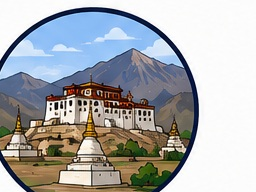
Leh
See what's happening
Browse topics · 47
Leh
Basic informationOpen ↗
| Item | Details | |---|---| | Official Name | Leh | | Common Name | Leh | | Native Name(s) | लेह (Hindi); གླེ་, often rendered as Leh in Ladakhi/Tibetan usage | | Nicknames | Gateway to Ladakh; Land of High Passes hub | | Motto | _Data not readily available for this location._ | | Geographic Level | City / district headquarters | | Country | India | | State/Province | Ladakh (Union Territory) | | Capital | Administrative headquarters of Leh district; Leh also serves as one of the principal administrative centers of Ladakh | | Government Type | Municipal local government within the Union Territory administrative system | | Date Founded | Ancient settlement; precise founding date not readily available | | Time Zone | Indian Standard Time (IST, UTC+5:30) | | Latitude | Approximately 34.15° N | | Longitude | Approximately 77.58° E | | Elevation | Approximately 3,500 m (11,500 ft) above sea level | | Total Area | _Data not readily available for this location._ | | Population | About 30,000 in the town area according to widely cited census-era figures; exact current city total varies by boundary definition | | Population Density | _Data not readily available for this location._ | | ZIP/Postal Codes | 194101 | | Area Codes | 01982 | | Official Languages | Ladakhi, Hindi, English; Urdu also used in administration in the wider region | | Currency | Indian Rupee (INR) | | Demonym | Lehnite; resident of Leh |
OverviewOpen ↗
Leh is the largest town in the Ladakh region of northern India and one of the world's best-known high-altitude urban settlements. Set in the upper Indus valley and surrounded by stark mountains, it has long been a caravan center linking Tibet, Kashmir, Central Asia, and the Indian subcontinent. Today it matters both as an administrative center and as the main gateway for travel, commerce, education, and services across much of Ladakh.
The town is especially known for its Buddhist heritage, dramatic Himalayan desert landscape, monasteries, traditional mud-brick architecture, and the historic Leh Palace overlooking the old town. Nearby sites such as Shanti Stupa, Thiksey Monastery, Hemis Monastery, and the Khardung La route help make Leh a focal point for tourism in the wider Trans-Himalayan region.
Leh also has national strategic importance. Because Ladakh borders China and Pakistan, the town functions as a logistics and transport hub for civilian life as well as for military presence in the region. Seasonal tourism, government services, small trade, hospitality, and transport shape much of the local economy.
What makes Leh especially distinctive is the way ancient culture and modern pressures meet in a fragile environment. Water scarcity, waste management, climate sensitivity, and rapid tourism growth are central public concerns, while local communities continue to preserve Ladakhi language, religion, festivals, and architectural traditions.
HistoryOpen ↗
Leh's history reaches back many centuries as part of the broader cultural world of Ladakh, a high-altitude region influenced by Tibetan Buddhism, Himalayan trade, and mountain agriculture. Before the rise of the historic Ladakhi kingdom, the area was inhabited by peoples connected to the western Tibetan cultural sphere, with older Dardic and Himalayan influences also noted in regional history.
By the medieval period, Leh had become an important royal and trading settlement. The Namgyal dynasty, which ruled Ladakh for several centuries, helped establish Leh as a political and commercial center. Its location on caravan routes made it a meeting point for merchants carrying pashmina wool, salt, tea, silk, dyes, and other goods between Tibet, Yarkand, Kashmir, and the plains of India. The Leh Palace, built in the 17th century under King Sengge Namgyal, remains the clearest architectural symbol of this era.
Ladakh's political fortunes changed repeatedly due to regional conflict and shifting trade patterns. Wars with neighboring Tibet and later Dogra expansion from जम्मू and Kashmir in the 19th century reshaped governance. After Dogra conquest, Ladakh became part of the princely state of Jammu and Kashmir under the Dogra rulers, while Leh remained an important district center.
The 20th century brought major geopolitical change. Following the partition of British India in 1947 and the first Indo-Pakistani war, Ladakh became part of the Indian-administered state of Jammu and Kashmir. The closure or decline of older trans-Himalayan trade routes, especially after changes along the India-China frontier, reduced Leh's traditional caravan role. In later decades, improved roads, military investment, air connectivity, and tourism transformed the town's economy.
Modern Leh has been shaped by border tensions, infrastructure growth, and environmental pressures. It was affected indirectly by wider regional security dynamics, including the Sino-Indian border dispute. In 2010, cloudburst-triggered floods caused severe damage and loss of life in Leh, marking a major moment in the town's recent history and highlighting climate vulnerability. Since 2019, Leh has been part of the Union Territory of Ladakh, created after the reorganization of the former state of Jammu and Kashmir.
GeographyOpen ↗
Leh lies in the upper Indus River basin in the Trans-Himalayan region of northern India. The town sits in a broad high-altitude valley framed by arid mountains, with the Indus flowing nearby through one of Ladakh's main inhabited corridors. Although often associated with the Himalaya in general, Leh's immediate landscape is more accurately described as a cold desert shaped by high elevation, low precipitation, and stark relief.
The surrounding terrain includes rocky slopes, gravel fans, alluvial deposits, and deeply incised valleys. Vegetation is sparse across most exposed hillsides, while greener cultivated patches appear where meltwater or irrigation supports settlement. Poplar and willow are common in inhabited areas, and agriculture is concentrated in irrigated belts rather than across the wider terrain.
Leh is near several major mountain systems and high passes that connect the region internally and externally. Roads leading toward Khardung La, Chang La, and other passes link the town to Nubra, Pangong, and more remote settlements. The landscape is geologically young and active in a broad Himalayan sense, with uplift, erosion, freeze-thaw processes, and sediment movement all helping shape local landforms.
Natural resources in the immediate urban area are limited by climate and terrain, but the wider region has valuable water from snow and glacier melt, rangelands, sunlight for solar energy, and cultural landscapes central to tourism. The environment is ecologically fragile, and water availability is highly seasonal.
TopographyOpen ↗
Leh's topography is defined by a high basin-like setting above the Indus valley floor, edged by steep barren ridges and mountain walls. The built-up town spreads across sloping alluvial ground and terraces below the ridge crowned by Leh Palace and near the hill bearing Shanti Stupa.
- Highest nearby terrain: The town is surrounded by very high Himalayan and Trans-Himalayan ranges, with peaks in the wider district rising well above 6,000 meters. The highest point within city limits is not commonly specified in standard public references.
- Lowest nearby terrain: Lower elevations occur along the Indus floodplain and valley margins near the town's agricultural areas.
- Hills and ridges: Old Leh climbs onto hillside terrain, creating narrow lanes, stepped building sites, and panoramic overlooks.
- Plateaus and fans: Much of the habitable ground consists of gently sloping alluvial fans and valley-side terraces suitable for roads, neighborhoods, and small fields.
- Canyons and gorges: Tributary streams descending from surrounding mountains have cut channels and ravines that can become hazardous during cloudbursts.
- Coastal areas: None; Leh is an inland mountain city.
- Flood plains: Limited flood-prone zones exist in and around drainage channels and lower valley ground, made more dangerous by intense short-duration rainfall events.
The topography strongly shapes daily life. Expansion is constrained by slope, water access, hazard exposure, and the need to preserve agricultural land in a dry environment.
Weather & climateOpen ↗
Leh has a cold desert climate and is generally classified as BWk under the Köppen system, though its very high altitude gives it stronger alpine characteristics than many lower-elevation deserts. The air is thin, humidity is usually low, and temperature swings between day and night can be large.
| Season | Typical Conditions | |---|---| | Winter (Nov-Mar) | Very cold, often below freezing, with occasional snowfall and icy conditions | | Spring (Apr-May) | Cool to mild days, cold nights, snowmelt in higher areas, increasing travel access | | Summer (Jun-Aug) | Mild to warm in daytime by mountain standards, cool nights, main tourist season | | Autumn (Sep-Oct) | Clear skies, cool dry weather, sharp night-time cooling |
Widely cited climate summaries for Leh indicate:
- Summer daytime temperatures: Often around 15-25°C, though sun exposure can make afternoons feel warmer.
- Winter temperatures: Frequently below 0°C, with severe overnight cold.
- Rainfall: Low annual precipitation compared with most of India; much of the moisture arrives as winter snow in surrounding highlands rather than heavy monsoon rain.
- Snowfall: Occurs in winter, though amounts in the town itself are usually lower than in higher passes.
- Humidity: Generally low.
Best time to visit: - May to September is the main travel window, when roads are more likely to be open and temperatures are more manageable. - Winter travel is possible by air, but extreme cold and road closures can limit movement.
Natural hazards: - Flash floods and debris flows from cloudbursts - Landslides and road blockages on mountain approaches - Winter snow and ice at high passes - Altitude sickness for new arrivals
Because of the altitude, even moderate weather can feel physically demanding. Acclimatization is important for visitors.
PopulationOpen ↗
Leh is a relatively small city by Indian standards, but it is the principal urban concentration in Ladakh and serves a population much larger than its municipal footprint through administration, trade, health care, education, and transport. Widely cited census-era figures place the town population at roughly around thirty thousand, though exact totals depend on municipal boundaries and seasonal population shifts.
Population characteristics commonly associated with Leh include:
- Growth: The town has grown over recent decades due to administrative importance, tourism, military-linked activity, education, and in-migration from villages and other parts of India.
- Age structure: A mixed profile of local families, students, workers, officials, traders, and seasonal labor. Precise age-group percentages for the city are not readily available in standard summary sources.
- Gender: Male-heavy seasonal and occupational presence is common in tourism, transport, defense-linked support, and construction sectors.
- Ethnic and cultural composition: Predominantly Ladakhi communities, alongside residents from Kashmir, Himachal Pradesh, other Indian states, and smaller long-settled trading and service communities.
- Religions: Buddhism and Islam are both significant in Leh and the wider district; Hindu, Sikh, and Christian minorities are also present.
- Languages: Ladakhi is central in daily local life, while Hindi and English are widely used in education, administration, tourism, and commerce.
Education and income levels vary between long-term urban households, migrant workers, government employees, and tourism-dependent families. Employment is concentrated in public administration, defense-related support services, hospitality, transport, trade, and small business rather than large-scale industry.
_Data not readily available for this location._
GovernmentOpen ↗
Leh is governed through a combination of municipal administration, district administration, and Union Territory institutions. As the headquarters of Leh district and one of Ladakh's key administrative centers, the town hosts offices with influence beyond the municipal area.
Administrative structure - Municipal body: Leh has a local urban civic authority responsible for town-level functions such as sanitation, local roads, street lighting, and certain public amenities. - District administration: The Deputy Commissioner and associated district offices handle land records, revenue, coordination of public services, disaster response, and development administration. - Union Territory framework: Since 2019, Leh has been part of the Union Territory of Ladakh, which is administered by India through a Lieutenant Governor and UT-level departments. - Autonomous hill governance: The Ladakh Autonomous Hill Development Council, Leh (LAHDC Leh) plays a major role in local planning and development for the district.
Political representation - Leh is represented within India's parliamentary system through the Ladakh parliamentary constituency. - Local politics often revolve around regional autonomy, environmental sustainability, tourism management, infrastructure, tribal rights, and cultural preservation.
Public services Key public functions in Leh include: - Water supply and seasonal water management - Solid waste collection and disposal - Road maintenance within town limits - Public health services and hospital administration - School administration and higher education support - Tourism regulation and urban planning - Disaster preparedness, especially for floods and extreme weather
Specific current officeholders change over time, so the most reliable source for names is the official Ladakh administration, municipal, or LAHDC Leh websites.
EconomyOpen ↗
Leh's economy is service-led and strongly shaped by geography, seasonality, and public administration. Rather than depending on heavy industry, the town functions as the commercial, logistical, and institutional hub of Ladakh. Government employment, tourism, transport, retail trade, construction, and defense-related support are among its main economic pillars.
Tourism is one of Leh's most visible economic drivers. Hotels, guesthouses, restaurants, cafés, taxi services, motorcycle rentals, trekking support, guides, handicraft shops, and travel agencies all depend heavily on the summer visitor season. Domestic tourism has grown substantially in the 21st century, complementing long-established international interest in monasteries, trekking, mountain landscapes, and high-altitude adventure.
Government and public-sector activity are also central. As a district headquarters and UT administrative center, Leh hosts many public offices, schools, health facilities, and associated service jobs. Military and border-related logistics add demand for transport, warehousing, supplies, and construction, although these do not always appear as a separate civilian economic category.
The local economy faces clear constraints: - Short building and tourism season - High transport costs for many goods - Limited arable land and water - Environmental carrying-capacity concerns - Dependence on roads that may close in winter or during landslides
At the same time, Leh has notable strengths: - Strong national and international visibility - Distinctive cultural tourism appeal - Expanding renewable energy interest, especially solar - Strategic location in Ladakh's road and air network - Growing role in education, administration, and regional services
City-level GDP and precise median income figures are not commonly published in standard public summaries for Leh.
IndustriesOpen ↗
- Tourism and hospitality — The best-known sector in Leh, including hotels, guesthouses, restaurants, trekking services, tour operators, and cultural tourism tied to monasteries and mountain travel.
- Government and public administration — District and Union Territory offices, schools, health services, and civic administration provide stable employment and sustain local demand.
- Transport and logistics — Taxi operators, trucking, warehousing, motorcycle rentals, and supply-chain services are essential because nearly all goods must be brought into a remote high-altitude region.
- Retail and wholesale trade — Leh is the main market town for much of Ladakh, with shops selling groceries, hardware, clothing, fuel-related goods, and tourist supplies.
- Construction — Seasonal but important, driven by tourism infrastructure, roads, public works, housing, and institutional buildings.
- Handicrafts and small-scale manufacturing — Local production includes woolens, textiles, traditional crafts, souvenir items, metalwork, and small food-processing activity.
- Defense-linked support services — While not a conventional industry cluster, the presence of armed forces and border infrastructure supports demand for supplies, labor, transport, and contracting.
- Renewable energy and utilities — Solar power and cold-region infrastructure are growing areas of interest because of high sunshine and the need for resilient remote services.
- Education and healthcare services — Schools, colleges, training institutes, hospitals, and clinics form a significant service sector for the wider region.
AgricultureOpen ↗
Agriculture in Leh is limited by altitude, cold climate, short growing season, and scarce water, but it remains culturally and economically important in and around the town. Farming depends heavily on irrigation from snowmelt and glacier-fed channels.
Main agricultural features include:
- Crops: Barley has historically been one of Ladakh's staple crops. Wheat, peas, mustard, and some vegetables are also grown where irrigation is available.
- Horticulture: Apricots, apples, and other hardy fruit crops are cultivated in parts of Ladakh, and kitchen-garden production is common around settlements.
- Vegetables: Potatoes, cabbage, carrots, spinach, and greenhouse-grown produce are important for local consumption.
- Livestock: Sheep, goats, cattle, yaks/dzo-type hybrids in the wider region, and pack animals are part of the broader agro-pastoral economy.
- Dairy and food production: Local butter, curd, and traditional barley-based foods remain part of household and regional food systems.
- Wool and fiber: The wider Ladakh region is known for pashmina production, though major pastoral areas are outside the urban core of Leh.
- Organic and low-input farming: Because of low-intensity traditional practices, some local agriculture aligns with organic principles, though certification levels vary.
- Forestry: Large-scale forestry is not a defining feature because of the cold desert environment; tree planting is mainly associated with shelter belts and settlement greenery.
- Fisheries: Fisheries are limited and not a major economic sector in Leh city.
Urban growth has put pressure on agricultural land near the town, making land-use balance an important local issue.
HousingOpen ↗
Housing in Leh reflects a mix of traditional Ladakhi homes, newer concrete buildings, guesthouse-style properties, apartments, and institutional accommodation. Because the town is the main urban center in a remote region, land demand is shaped by tourism, government employment, military-linked presence, student needs, and internal migration.
Housing characteristics - Traditional housing: Older homes often use mud brick, stone, whitewashed walls, timber elements, and flat roofs suited to the dry climate. - Modern housing: Newer buildings are commonly reinforced concrete or hybrid structures, sometimes with less climatic efficiency than traditional designs. - Accommodation types: Single-family homes, mixed-use shop-houses, rented rooms, guesthouses, and small apartment-style units are all present. - Seasonality: Rental demand can rise during the tourist season and peak work months.
Market conditions - Housing and construction costs are often elevated by transport expenses, climatic constraints, and short building seasons. - Centrally located areas tend to command higher prices than peripheral settlements. - Staff housing can be a challenge for teachers, health workers, hospitality staff, and short-term professionals.
Key issues - Pressure on agricultural land from urban expansion - Need for climate-appropriate and earthquake-conscious construction - Water and sanitation constraints for new development - Limited formal affordable housing supply compared with demand during peak periods
Reliable citywide average home-price and rent datasets are not consistently published in standard public summaries for Leh.
NeighborhoodsOpen ↗
Leh is not typically described through very large, formally branded neighborhoods in the way many metros are, but several identifiable areas shape how the town functions.
- Old Town — The historic core below Leh Palace, with narrow lanes, traditional houses, religious sites, and some of the town's oldest urban fabric.
- Main Bazaar area — The commercial heart of Leh, lined with shops, cafés, travel agencies, banks, and everyday services for locals and visitors.
- Changspa — A well-known area popular with guesthouses, small hotels, cafés, and longer-stay travelers; generally quieter than the main market spine.
- Skara — A residential and institutional area with a mix of homes, guest accommodation, and access to roads leading toward the airport side of town.
- Choglamsar — A major settlement area near Leh, known for educational institutions, Tibetan community presence, and expanding peri-urban character.
- Housing Colony / newer expansion areas — Planned or semi-planned residential growth zones accommodating officials, local families, and service workers.
- Spituk side / airport corridor — Important for transport, institutions, and access to Kushok Bakula Rimpochee Airport, though not all of it falls within the dense urban core.
For many residents, neighborhood identity is linked as much to village-origin patterns, monasteries, irrigation areas, and road corridors as to formal urban subdivision.
TransportationOpen ↗
Leh is the transport hub of Ladakh, but connectivity is highly seasonal and shaped by altitude, weather, and mountain passes.
Roads and highways - Leh is connected to the rest of India mainly by two famous mountain highway corridors: - Leh–Manali route from Himachal Pradesh - Leh–Srinagar route from the Kashmir Valley - These roads are vital for goods and tourism but are vulnerable to winter closure, snow, landslides, and maintenance disruptions. - Roads from Leh also connect to Nubra Valley, Pangong region, Kargil, and other parts of Ladakh.
Air travel - Kushok Bakula Rimpochee Airport (Leh Airport) is the main airport serving the city and one of the highest commercial airports in India. - Flights connect Leh with Delhi and other major Indian cities, though schedules can be affected by weather and operational conditions.
Public and shared transport - Buses connect Leh with nearby settlements and longer-distance destinations when routes are open. - Shared taxis and private taxis are a major transport mode for both residents and visitors. - Rideshare app coverage is limited compared with large Indian cities.
Local mobility - Walking is common in the central town, though altitude and slope can make it tiring. - Motorcycles, scooters, and bicycles are popular, especially among tourists in season. - Cycling is feasible but challenging because of terrain and altitude.
Rail and ports - Rail: Leh has no railway station; the nearest rail connections are far outside Ladakh. - Ports: None; it is inland.
EV charging and future mobility - EV infrastructure exists in limited and evolving form compared with major urban centers. - Interest in cleaner transport is growing because of environmental concerns and fuel logistics.
The town's transport system is less about dense urban transit and more about strategic access, seasonal road reliability, and airport dependence.
InfrastructureOpen ↗
Leh's infrastructure has improved significantly in recent decades, but service delivery remains challenging because of altitude, cold climate, limited water, rapid seasonal demand, and remoteness.
Electricity - The town is connected to regional power systems, supported by diesel generation, grid supply, and growing renewable-energy initiatives. - Reliability has improved, but cold weather, demand peaks, and remote conditions can still create strain. - Solar energy is a major area of interest because Leh receives strong sunshine for much of the year.
Water - Water supply depends heavily on snowmelt, glacier-fed systems, local storage, and pumping/distribution networks. - Seasonal scarcity is a persistent issue. - Climate change, urban growth, and tourism have increased pressure on traditional water systems.
Sewer and sanitation - Sewerage and wastewater treatment are more difficult in Leh than in lowland cities because of freezing conditions, dispersed growth, and terrain. - On-site sanitation, septic systems, and evolving treatment solutions all play roles depending on location. - Solid waste management has become a major urban issue with tourism growth.
Internet and digital connectivity - Broadband and mobile internet are available in Leh and have improved over time. - Connectivity can still be slower or less reliable than in major Indian metros, especially during weather or infrastructure disruptions. - Digital services are important for administration, tourism bookings, education, and banking.
Cellular service - Major Indian telecom providers operate in Leh, though service quality varies by neighborhood and worsens outside the urban core.
Health and emergency infrastructure - Leh has regional hospital services, clinics, and emergency facilities, but advanced specialist care may still require referral to larger cities. - Disaster-response capacity has expanded since the 2010 floods, though geographic constraints remain significant.
Overall, Leh's infrastructure is functional but sensitive: demand can rise quickly, and resilience planning is central to the town's future.
EducationOpen ↗
Leh is the main education center of Ladakh, with schools, colleges, training institutes, monasteries, and libraries serving both the town and surrounding rural areas. Because Ladakh is sparsely populated, institutions in and near Leh have outsized regional importance.
Notable institutions commonly associated with Leh include:
- University of Ladakh — The principal public university for the Union Territory, with a key role in higher education and regional academic development.
- Government Degree College, Leh — One of the best-known undergraduate institutions in the town.
- Eliezer Joldan Memorial College — Historically significant as one of Ladakh's early degree colleges.
- National Institute of Sowa-Rigpa (NISR), Leh — A major institution for traditional Tibetan-Ladakhi medical knowledge and research.
- Sindhu Central University — A newer central university project for Ladakh; development and operations have advanced in stages, so current campus details should be confirmed from official sources.
- Kendriya Vidyalaya Leh — Part of India's central school network, serving families including government and transferable-service employees.
- Jawahar Navodaya Vidyalaya, Leh — Important residential school institution serving talented rural students from the district.
- Central Institute of Buddhist Studies (Choglamsar, near Leh) — A significant center for Buddhist philosophy, language, and traditional learning.
Additional educational features: - Government and private primary and secondary schools operate across the town and nearby settlements. - Monastic institutions remain important for religious and cultural education. - Public libraries and school libraries support local learning, though named large urban library systems are limited compared with major cities. - Vocational and skills training in tourism, crafts, construction, and public services has growing local relevance.
Because Leh serves remote communities, boarding, hostel, and district-linked educational arrangements are especially important.
HealthcareOpen ↗
Leh is the principal medical center for much of Ladakh, serving both town residents and people traveling in from surrounding valleys and high-altitude settlements.
- Sonam Norboo Memorial (SNM) Hospital, Leh is the main public hospital in the city and the most important referral facility in the district.
- District Hospital services in Leh typically cover general medicine, surgery, obstetrics and gynecology, pediatrics, and emergency care, though advanced specialty care may still require referral to larger centers outside Ladakh.
- Primary and community health services are supported through government-run health facilities in and around Leh district.
- Private clinics and diagnostic centers operate in town, especially during the tourism season, offering routine consultations and travel-related care.
- Pharmacies are available in Leh market areas and along main roads near the hospital and commercial districts.
- High-altitude illness care is especially important in Leh because of the city's elevation; visitors commonly seek care for acute mountain sickness, dehydration, and respiratory strain.
- Mental health and counseling services exist through the public health system, but specialist availability may be limited compared with larger Indian cities.
- Nursing and elder care infrastructure is more limited than in major metropolitan areas; family-based care remains important.
Practical notes:
- Travelers are often advised to acclimatize carefully after arrival because Leh sits at high altitude.
- In severe cases, patients may be referred to larger military, regional, or metropolitan hospitals depending on need and transport availability.
- Winter weather can affect access to outlying villages and delay transfers.
Emergency servicesOpen ↗
Emergency response in Leh involves civil administration, Ladakh Police, fire services, hospital emergency units, and a major role for the Indian Army and related agencies because of the region's strategic and high-altitude setting.
Emergency numbers
- National emergency response: 112
- Ambulance: 108 or 102
- Police: 100
- Fire: 101
Local emergency services
- Ladakh Police / Leh district police handle law enforcement, traffic control, tourist assistance, and public-order matters.
- Fire and Emergency Services in Leh respond to structural fires, vehicle fires, and seasonal hazard incidents.
- SNM Hospital emergency department is the main civilian point for urgent medical treatment.
- Disaster management is coordinated by district authorities, especially for landslides, road closures, flash floods, avalanches in the wider region, and extreme cold.
- Indian Army and other uniformed services play a significant practical role in rescue, logistics, and emergency support across Ladakh, particularly on remote roads and high passes.
Main emergency risks
- Altitude-related illness among new arrivals
- Road accidents on mountain highways and passes
- Cold exposure and winter weather emergencies
- Flash floods and cloudburst-related impacts, as seen in Ladakh's disaster history
- Trekking and expedition incidents in remote terrain
Visitor guidance
- Keep identification, accommodation details, and emergency contacts accessible.
- Check road and weather conditions before traveling to Nubra, Pangong, Khardung La, Changthang, or Kargil routes.
- Mobile connectivity can be inconsistent outside town.
BusinessesOpen ↗
Leh is the economic hub of eastern Ladakh and functions as an administrative, tourism, transport, and retail center.
Economic profile
The city's economy is shaped by:
- Tourism and hospitality
- Government administration
- Defense and logistics activity in the broader region
- Retail trade and local services
- Transport, taxi, and travel operations
- Traditional crafts and agro-pastoral products
Business districts and commercial activity
- Leh Main Bazaar is the city's best-known commercial area, with general stores, handicrafts, travel agents, restaurants, cafés, pharmacies, and guest services.
- Streets around the market, bus stand, and central town area concentrate hotels, equipment rentals, souvenir shops, and banking services.
- Seasonal business cycles are strong, with heavy summer activity and quieter winter months.
Major employers
- Government offices of the Union Territory of Ladakh and district administration
- Schools, colleges, and public institutions
- SNM Hospital and health services
- Hotels, guesthouses, camps, and tour operators
- Transport providers, including taxi unions and logistics firms
- Defense-related establishments in and around Leh
Local business types
- Tour agencies for trekking, jeep safaris, rafting, and cultural tours
- Hotels, homestays, and guesthouses
- Restaurants, bakeries, and cafés
- Handicraft sellers specializing in pashmina, woolens, metalwork, jewelry, prayer items, and souvenirs
- Outdoor gear and motorcycle rental businesses
- Taxi services and transport booking offices
Traditional and small-scale economy
- Handloom and handicrafts remain important, including textiles and locally made artisan goods.
- Apricot products, dry fruits, and local food items are sold through markets and small enterprises.
- Rural-urban trade links bring in produce, wool, and other goods from surrounding villages.
Constraints
- High transport costs
- Short tourism season relative to lowland cities
- Harsh winters
- Geographic remoteness
- Limited large-scale industrial development
Restaurants & foodOpen ↗
Leh's food scene reflects Ladakhi, Tibetan, North Indian, and increasingly pan-Indian and international influences shaped by tourism.
Local food traditions
Common regional foods include:
- Thukpa - noodle soup suited to the cold climate
- Momos - steamed or fried dumplings
- Skyu - a Ladakhi pasta-based stew
- Tingmo - steamed Tibetan-style bread
- Butter tea and salted tea
- Khambir - traditional local bread
- Chutagi - pasta-like pieces in soup or stew
- Apricot-based products including jams, dried apricots, and juices
Dining areas
- Main Bazaar and nearby lanes host many of Leh's cafés and restaurants.
- Fort Road and adjoining streets are known for hotels, rooftop eateries, bakeries, and traveler-oriented dining.
- Small local eateries can be found in residential and market pockets outside the main tourist strips.
What visitors typically find
- Ladakhi and Tibetan restaurants
- North Indian vegetarian and non-vegetarian kitchens
- Bakery cafés serving bread, cakes, and coffee
- Seasonal rooftop dining with mountain views
- Israeli, continental, and fusion menus in tourist season due to long-standing backpacker traffic
Food markets and local shopping
- Leh's central market is the main place to buy daily provisions, dried fruits, packaged foods, and local specialty items.
- Seasonal vegetable and fruit trading supports both residents and restaurants.
- Apricots and related products are closely associated with Ladakh.
Practical notes
- Many restaurants operate seasonally, with the widest choice in warmer months.
- Menus may shrink in winter due to reduced tourism and supply-chain limitations.
- Travelers should eat lightly on arrival if adjusting to altitude and stay hydrated.
_Data not readily available for this location._
TourismOpen ↗
Leh is one of the most famous high-altitude travel destinations in India and the main gateway to Ladakh's monasteries, mountain passes, lakes, and trekking routes.
Major attractions in and around Leh
- Leh Palace - a historic royal palace overlooking the old town, associated with the Namgyal dynasty.
- Shanti Stupa - a prominent white-domed Buddhist monument with panoramic views over Leh and surrounding mountains.
- Namgyal Tsemo Monastery / Namgyal Tsemo Gompa - a hilltop religious site above the town.
- Old Town Leh - traditional urban fabric with narrow lanes, historic houses, and heritage character.
- Leh Main Bazaar - both a commercial center and a cultural meeting place.
- Hall of Fame - a museum associated with the Indian Army, focusing on military history and Ladakh.
- Spituk Monastery - one of the significant monasteries near Leh.
- Thiksey Monastery - a major monastery southeast of Leh, widely visited for its architecture and religious art.
- Shey Palace and Monastery - former royal seat with important historic and Buddhist associations.
- Stok Palace - linked to Ladakh's erstwhile royal family.
- Magnetic Hill - a roadside curiosity on the Leh-Kargil route.
- Gurudwara Pathar Sahib - a prominent Sikh shrine on the Leh-Kargil road.
- Indus-Zanskar confluence near Nimmu - a well-known scenic point.
Scenic drives and excursions
Leh is the base for road travel to:
- Khardung La and Nubra Valley
- Pangong Lake
- Tso Moriri
- Sham Valley
- Alchi and Likir monasteries
- Lamayuru
Travel character
- Strong appeal for mountain landscapes, Buddhist heritage, road trips, trekking, photography, and adventure tourism.
- Best-known season is typically late spring to early autumn, though exact travel conditions vary by snowfall and road opening dates.
Important considerations
- Acclimatization is essential due to high elevation.
- Certain routes may require permits for Indian or foreign travelers depending on current rules.
RecreationOpen ↗
Recreation in Leh centers on mountain travel, cultural exploration, and outdoor adventure in a high-altitude desert setting.
Popular activities
- Walking around old Leh and the bazaar
- Short hikes to Shanti Stupa, Leh Palace, and Namgyal Tsemo viewpoints
- Monastery visits in the Indus Valley
- Motorcycling and road touring on major Ladakh routes
- Camping on routes toward Nubra, Pangong, and Tso Moriri
- Trekking in the Markha Valley and other surrounding regions
- River rafting on sections of the Indus and Zanskar systems
- Mountain biking on roads and high passes
- Photography and birdwatching in suitable habitats nearby
Adventure recreation
- High-altitude trekking is one of Leh's best-known pursuits.
- Jeep safaris are common for visitors who want access to remote valleys and lakes.
- Rafting is a seasonal draw when river and weather conditions permit.
Indoor and community recreation
- Cafés, cultural centers, and seasonal gatherings provide social recreation in town.
- Hotels and guesthouses often help organize guided excursions.
Limitations
- Physical exertion can be difficult immediately after arrival because of the altitude.
- Winter sharply changes the range of accessible activities.
- Remote recreation requires planning, permits in some areas, and weather awareness.
Parks & natureOpen ↗
Leh lies within a stark and distinctive high-altitude cold-desert environment, where nature is defined by mountain ranges, river valleys, sparse vegetation, and dramatic skies.
Natural setting
- The city sits in the upper Indus Valley surrounded by rugged Himalayan and trans-Himalayan landscapes.
- Vegetation near Leh is concentrated around irrigated settlements, riparian strips, and higher pastures.
Nearby natural areas and landscapes
- Hemis National Park is one of the region's most important protected areas and is known internationally for snow leopard habitat and high-altitude wildlife.
- Changthang plateau areas farther east are known for vast open landscapes, wetlands, and pastoral culture.
- Valleys around Leh provide access to alpine terrain, desert mountains, and seasonal grazing areas.
Wildlife associated with the wider region
Depending on habitat and season, Ladakh is known for species such as:
- Snow leopard
- Blue sheep (bharal)
- Ibex
- Marmots
- Kiang in the broader plateau regions
- High-altitude birds including migratory and wetland species in suitable zones
Urban and semi-urban green spaces
Leh has smaller local open spaces, monastery grounds, and cultivated areas rather than extensive urban park systems typical of large lowland cities.
Environmental concerns
- Water stress
- Pressure from tourism growth
- Waste management challenges
- Fragile cold-desert ecology vulnerable to climate change and overuse
Rivers, lakes & waterwaysOpen ↗
Water defines settlement in Leh despite the region's arid appearance. The city depends on mountain-fed streams, irrigation channels, and the broader Indus river system.
Major waterways
- Indus River - the principal river of the region, flowing near Leh and shaping much of the inhabited landscape.
- Zanskar River - joins the Indus near Nimmu, creating one of Ladakh's best-known river confluences.
- Smaller glacier- and snow-fed streams support agriculture and local water supply in and around Leh.
Water in local life
- Traditional settlements rely on carefully managed irrigation channels for fields, orchards, and domestic use.
- Seasonal snowmelt strongly influences water availability.
Recreation and scenery
- The Indus-Zanskar confluence is a major sightseeing stop.
- River rafting is offered seasonally on suitable stretches.
- Scenic drives along river valleys are central to the Leh travel experience.
Water challenges
- Ladakh is a cold desert, so water is limited and unevenly distributed.
- Climate change, glacier retreat, tourism demand, and changing precipitation patterns are important concerns.
- Flash flooding can occur during unusual weather events despite the region's overall aridity.
Lakes reached from Leh
Though not inside the city, Leh is the main base for travel to major high-altitude lakes such as:
- Pangong Tso
- Tso Moriri
- Tso Kar
Arts & cultureOpen ↗
Leh is one of the cultural centers of Ladakh, where Tibetan Buddhist heritage, royal history, vernacular architecture, and modern tourism intersect.
Cultural character
- Strong Ladakhi Buddhist traditions shape the city's identity.
- The old town reflects traditional mud-brick and timber architecture adapted to climate and terrain.
- Festivals, monastic arts, music, and ritual performance remain highly visible in public life.
Institutions and sites
- Leh Palace is both a historic monument and an anchor of Ladakh's royal past.
- Central Asian Museum in Leh highlights the region's role in historic trade and cultural exchange.
- Hall of Fame presents military history and narratives connected to the region.
- Monasteries around Leh preserve murals, statues, manuscripts, ritual objects, and performance traditions.
Artistic traditions
- Thangka painting and Buddhist iconography
- Woodwork and metal craft
- Weaving, wool work, and garments suited to high-altitude life
- Prayer objects, jewelry, and ceremonial items
Performing arts
- Monastic masked dances, especially during festival periods
- Folk music and dance tied to seasonal and religious celebrations
- Contemporary cultural programming appears through local organizations, schools, and festivals
Heritage themes
- Buddhist scholarship and monastic life
- Former trans-Himalayan trade links
- Ladakhi royal history
- Adaptation to high-altitude desert living
Leh's cultural scene is strongest when approached through its living communities as well as its monuments.
ReligionOpen ↗
Religion in Leh is shaped above all by Tibetan Buddhism, with important Muslim, Hindu, Sikh, and Christian presences as well.
Main religious communities
- Buddhism is central to the cultural and historical identity of Leh and much of central Ladakh.
- Islam also has a longstanding presence in Leh town and the wider region.
- Hinduism is represented among residents, migrant workers, officials, and security personnel.
- Sikhism is visible especially through Gurudwara Pathar Sahib near Leh.
- Small Christian communities and institutions are present.
Important religious places
- Shanti Stupa - a prominent Buddhist monument
- Namgyal Tsemo Gompa
- Spituk Monastery
- Thiksey Monastery
- Shey Monastery
- Sankar Gompa
- Gurudwara Pathar Sahib
- Mosques and local Islamic institutions within Leh town
Religious life
- Monasteries are active centers of worship, education, festival organization, and community identity.
- Prayer flags, chortens, mani walls, and monastic processions are common visual features.
- Buddhist and Muslim communities both contribute to the town's social fabric.
Composition
Exact current religious breakdown for Leh city alone is not always presented clearly in a simple public source distinct from the wider district.
_Data not readily available for this location._
SportsOpen ↗
Sports in Leh are shaped by altitude, climate, school participation, military presence, and the popularity of adventure activities.
Common sports and activities
- Football is widely played and watched.
- Cricket is popular as elsewhere in India, especially in schools and community grounds.
- Archery has traditional and cultural importance in Ladakh.
- Ice hockey is associated strongly with Ladakh in winter, though facilities and activity levels vary by locality and season.
- Running, cycling, and trekking are common recreational pursuits.
- River rafting and mountaineering connect sport with tourism.
Facilities and venues
- Leh has school grounds, public playing fields, and indoor facilities used for local competitions and community sport.
- Sports activity is often organized through educational institutions, local associations, and government departments.
- Military and paramilitary establishments also contribute to sports culture in the wider area.
Competitive profile
- Ladakh has gained wider attention for winter sports, especially ice hockey in the region.
- Leh serves as a base for high-altitude endurance and adventure events.
Constraints
- Short outdoor seasons for some sports
- Harsh winters
- Limited large stadium infrastructure compared with major cities
- Altitude affects training and visiting athletes
EventsOpen ↗
Leh's annual calendar mixes religious festivals, tourism-season programming, national observances, and market life.
Notable events and festivals
- Ladakh Festival - a widely known cultural festival featuring traditional music, dance, dress, and public celebrations, typically aimed at showcasing regional heritage.
- Hemis Festival - held at Hemis Monastery near Leh, famous for masked dances and Buddhist ritual performance.
- Dosmoche - an important traditional festival observed in Leh with monastery-linked ceremonies.
- Losar - Tibetan/Ladakhi New Year celebrations, observed with family and religious customs.
- Sindhu Darshan Festival - associated with the Indus River and broader cultural symbolism.
Regular community activity
- Seasonal market activity in the Main Bazaar
- Monastery festivals across the Indus Valley
- School and civic celebrations on national holidays
- Seasonal tourism events, trekking departures, and adventure gatherings
Event character
- Summer and early autumn are the busiest periods for public cultural events.
- Monastery festival dates follow religious calendars and can vary year to year.
- Winter celebrations are culturally important but may be more localized and weather-dependent.
MediaOpen ↗
Media in Leh includes local print, radio, digital outlets, and national broadcasters reaching the town.
Media landscape
- Leh receives national Indian television channels, radio services, and online news through standard telecom networks where available.
- All India Radio has historically been an important source of news and public information in the region.
- Local and regional reporting covers administration, weather, roads, tourism, and border-region issues.
Types of local media
- Local newspapers and periodicals serving Ladakh
- Community and regional radio programming
- Digital news portals and social media pages focused on Leh and Ladakh affairs
Coverage themes
- Road openings and closures
- Weather and winter conditions
- Tourism and environment
- Local politics and autonomy issues
- Monastic and cultural events
Specific active outlet lists change over time and are not always consistently documented in one authoritative public source.
_Data not readily available for this location._
Prominent personalitiesOpen ↗
- Kushok Bakula Rinpoche - influential Ladakhi Buddhist leader, statesman, and diplomat closely associated with Leh and modern Ladakh's public life.
- Thupstan Chhewang - politician from Ladakh who represented the region in national politics.
- Jamyang Tsering Namgyal - politician associated with Leh and Ladakh, known for parliamentary representation.
- Sonam Wangchuk - engineer, education reformer, and innovator from Ladakh, widely known for work on sustainable living and Himalayan education.
- Chewang Norphel - engineer from Ladakh often called the "Ice Man of India" for pioneering artificial glacier work.
- Nawang Gombu - mountaineer of Himalayan fame, associated with the wider trans-Himalayan region and revered in mountain history.
- Stanzin Gyaltsen - politician and local leader associated with Leh public life.
- Rigzin Spalbar - politician and former representative associated with Leh and Ladakh governance.
- Jigmet Dolma - public figure and political representative connected with Ladakh's civic life.
- Lobzang Tundup - educator and public servant associated with regional development in Ladakh.
Some notable figures are associated more broadly with Ladakh than with Leh city alone, but Leh is the region's principal civic and cultural center.
Notable companiesOpen ↗
Leh is not a major corporate-headquarters city in the conventional metropolitan sense. Its notable enterprises are concentrated in tourism, transport, retail, hospitality, handicrafts, and region-focused institutions.
Main categories of notable enterprises
- Hotels, guesthouses, and camps operating in and from Leh
- Travel and trekking companies organizing tours across Ladakh
- Motorcycle rental and expedition services
- Taxi and transport unions / operators serving visitors and residents
- Handicraft and pashmina retail businesses
- Apricot, dry fruit, and local food producers on a small scale
Important institutional employers
- Public administration bodies in Leh
- Health and education institutions
- Defense-related establishments in the wider area
Business structure
- The local economy is dominated by small and medium enterprises, family-run businesses, and seasonal operators rather than large listed corporations.
- Some hospitality brands and travel firms have a visible presence, but major nationally headquartered corporations are generally based elsewhere.
_Data not readily available for this location._
Sister citiesOpen ↗
Leh is internationally connected through tourism, Buddhist networks, and Himalayan cultural exchange, but a clearly documented and consistently cited official sister-city list is not readily available in standard public sources.
_Data not readily available for this location._
Local organizationsOpen ↗
Local Organizations
Leh serves as the administrative and cultural center of the Leh district in Ladakh, so many civic, cultural, environmental, and tourism-related groups operate here or from here.
Civic, business, and community organizations - Ladakh Autonomous Hill Development Council, Leh (LAHDC Leh) — an important local self-governance institution involved in development planning, public works, tourism policy, and community infrastructure. - Ladakh Administration — while not a nonprofit, many public-facing community programs, youth initiatives, and welfare services are coordinated through district and union territory offices in Leh. - All Ladakh Hotel and Guest House Association — represents accommodation providers and is relevant to tourism, local employment, and visitor services. - Ladakh Tourism Trade Alliance — umbrella platform often associated with responsible tourism discussions, transport, trekking, and local business interests. - Leh Chamber-style business associations — business representation in Leh is often handled through local trade and merchant associations rather than a single globally prominent chamber body. - Ladakh Ecological Development Group (LEDeG) — one of the best-known civil society organizations in Ladakh, associated with sustainable development, renewable energy, appropriate technology, and environmental work. - Students' Educational and Cultural Movement of Ladakh (SECMOL) — a widely known educational and social initiative focused on student-centered learning and local empowerment. - Women’s Alliance of Ladakh — associated with women’s participation, local enterprise, culture, and social development. - Ladakh Arts and Media Organization (LAMO) — cultural institution in Leh supporting heritage, arts programming, exhibitions, and community dialog. - Ladakh Buddhist Association — socially influential in religious, cultural, and community matters.
Humanitarian and volunteer-linked institutions - The Moravian Mission Hospital / Sonam Norboo Memorial Hospital ecosystem — health services in Leh often work in partnership with local administration and community support networks. - Local monasteries and religious institutions — beyond spiritual life, these often support festivals, education, charitable help, and preservation of cultural heritage. - Village and ward-level community bodies — in and around Leh, local governance and volunteer action often happen through neighborhood, village, and traditional social structures.
What residents and newcomers typically look for - Youth volunteering through education and environment programs. - Cultural preservation groups linked to Ladakhi language, crafts, and monasteries. - Trekking, mountain rescue awareness, and responsible tourism initiatives. - Women-led self-help groups and artisan cooperatives.
_Data not readily available for this location._
Education statisticsOpen ↗
Education Statistics
Education in Leh reflects both the challenges and strengths of a high-altitude, sparsely populated Himalayan region. Formal statistics specific to Leh city alone are not always published separately from Leh district or Ladakh as a whole.
General picture - Leh is home to a mix of government schools, private schools, residential schools, monastic educational institutions, and higher-education centers. - The region is widely known for strong public discussion around education reform, especially because many students historically studied outside Ladakh for higher secondary and university opportunities. - SECMOL became internationally known for alternative education approaches aimed at supporting students who struggled in conventional systems.
Higher education and notable institutions - University of Ladakh has campuses in the union territory and is a key higher education institution for the region. - Government Degree College, Leh is an important local college. - Specialized education in Buddhist studies, Himalayan ecology, tourism, and mountain environment is also relevant in the wider Ladakh context.
Literacy and performance - Census-based literacy data is more commonly cited at the district or union territory level than for Leh city alone. - School outcomes can be shaped by: - remoteness and winter isolation, - language of instruction, - migration for schooling, - altitude and seasonal access, - teacher availability in rural catchments.
Education themes in Leh - Multilingual education: Ladakhi, Hindi, and English all matter in practice. - Board exam preparation: many families pay close attention to secondary school performance due to limited local higher-education pathways. - Hostel and out-of-region study: common for some students seeking specialized courses. - Environmental learning: local schools and NGOs often emphasize sustainability and mountain ecology.
Rankings and global recognition - No widely used international university ranking is typically centered on Leh itself. - Leh’s educational significance is better understood through innovation, adaptation to high-altitude conditions, and local reform efforts than through national ranking tables alone.
Snapshot table
| Topic | Notes | |---|---| | Literacy rate | More commonly reported for district/UT level than Leh city alone | | Graduation rates | City-specific public figures are not consistently published | | Major college presence | Government Degree College, Leh; University of Ladakh relevance | | Education identity | Strong reform tradition; alternative and locally grounded models | | Key challenge | Geographic remoteness and harsh climate |
_Data not readily available for this location._
Public utilitiesOpen ↗
Public Utilities
Utilities in Leh operate under the constraints of high altitude, cold desert climate, seasonal tourism pressure, and winter weather. Service reliability can vary by season and by neighborhood.
Electricity - Power supply in Leh is managed through the Power Development Department (PDD), Ladakh under the local administration structure. - Electricity can be affected by: - winter demand, - transmission limitations, - weather, - infrastructure constraints in remote terrain. - Ladakh has also attracted attention for solar and renewable energy planning, given its strong solar potential.
Water supply - Urban water supply is administered through local public works and municipal systems under the Public Health Engineering / Jal Shakti-type departments used in the region. - Water availability is a major long-term issue because of: - glacier dependence, - changing snow and melt patterns, - low precipitation, - growing population and tourism demand. - In some areas, households and businesses may rely on storage tanks and conservation practices.
Waste management - Solid waste management is handled through local civic authorities in Leh, including municipal and district-level systems. - Waste volumes rise sharply during the tourist season. - NGOs and community groups in Ladakh have long promoted: - recycling, - reduced plastic use, - cleanup drives, - responsible trekking waste practices.
Gas and cooking fuel - LPG cylinders are a common household cooking fuel. - Supply logistics can be influenced by mountain transport routes and weather conditions.
Internet and telecom - Mobile connectivity and internet access exist in Leh through major Indian telecom providers, but speeds and reliability may vary. - Visitors should expect possible disruptions during severe weather, power issues, or network congestion.
Heating - Space heating is a critical utility-like need in winter. - Many homes and guesthouses use combinations of: - electric heating, - traditional systems, - LPG, - passive solar design, - improved insulation.
Practical tips for residents and visitors - Keep backup charging options and power banks. - Confirm hot water and heating arrangements before winter stays. - Use water carefully, especially in dry months. - Ask accommodations about waste segregation and bottle-refill options.
Utility snapshot
| Service | Main situation | |---|---| | Electricity | Publicly managed; seasonal reliability can vary | | Water | Scarce-resource environment; conservation is important | | Waste | Pressure rises with tourism; recycling efforts are growing | | Cooking fuel | LPG widely used | | Telecom | Available but variable | | Heating | Essential in winter; systems differ widely |
SafetyOpen ↗
Safety
Leh is generally regarded by many travelers as a comparatively calm destination, but safety here is shaped as much by altitude, terrain, weather, and road conditions as by conventional urban crime concerns.
Emergency numbers in India - 112 — all-in-one national emergency response - 100 — police - 101 — fire - 102 / 108 — ambulance and emergency medical transport in many areas
Main safety considerations in Leh #### 1. Altitude sickness - Leh sits at roughly 3,500 meters / 11,500 feet above sea level. - This is the single most important safety issue for many visitors. - Common advice: - rest on arrival, - avoid heavy exertion on day one, - hydrate, - avoid alcohol initially, - seek medical help if symptoms worsen.
#### 2. Road and transport safety - Roads to and from Leh can involve mountain passes, landslides, snow, narrow carriageways, and long travel times. - Weather can close roads seasonally. - Drivers should check current road status before travel toward Nubra, Pangong, Kargil, Manali, or Srinagar routes.
#### 3. Weather exposure - Strong sun, cold nights, dry air, and winter cold can all create health risks. - UV exposure is intense at altitude; sun protection is essential.
#### 4. Trekking and outdoor activity - Visitors should avoid trekking alone in remote areas without preparation. - Registering plans, hiring experienced local guides where appropriate, and checking conditions are sensible precautions.
Crime overview - Leh is not generally known internationally as a high-crime city. - Common visitor risks are more likely to include: - overexertion at altitude, - transport disruption, - weather exposure, - occasional tourist scams or overcharging. - Basic precautions still matter: - secure valuables, - use reputable taxi and travel operators, - confirm permits where needed, - avoid isolated movement at night in unfamiliar areas.
For women travelers - Many women travel in Leh independently, but standard precautions remain advisable: - use trusted accommodation, - share itineraries, - arrange transport through reputable providers, - be cautious after dark in less populated areas.
Health access - Leh has hospital and clinic services, including the district-level hospital system. - Serious illness or injury may still require evacuation planning because of geography and weather.
Quick safety checklist - Acclimatize before strenuous activity. - Carry warm layers year-round. - Keep cash and digital payment options both available. - Check permits and road status before long trips. - Carry water, sunscreen, and any required medicines. - Respect military zones and photography restrictions where posted.
EnvironmentOpen ↗
Environment
Leh lies in a high-altitude cold desert ecosystem in the Himalaya, with a landscape defined by mountains, sparse vegetation, glacier-fed water systems, and very low rainfall.
Environmental character - Cold desert climate with dry air, intense sunlight, and large day-night temperature differences. - Fragile mountain ecology with limited natural carrying capacity. - Water security is a major long-term concern because the region depends on snow, glaciers, and seasonal meltwater.
Air quality - Leh does not usually resemble heavily industrialized Indian urban centers. - However, local air conditions can still be affected by: - traffic growth, - dust, - diesel generators, - winter heating, - construction activity. - Air quality can feel comparatively clear, but sensitivity varies with altitude and dryness.
Water and watershed concerns - Water is one of the most important environmental issues in Leh. - Key pressures include: - climate change, - glacier retreat, - tourism demand, - urban growth, - changes in traditional irrigation patterns. - Local and regional groups have promoted water harvesting, ice stupas, efficient irrigation, and conservation awareness.
Protected and sensitive landscapes - The wider Ladakh region includes ecologically significant habitats and protected landscapes, though not all are inside Leh city itself. - Nearby environments support species associated with the trans-Himalayan ecosystem. - Responsible travel is especially important around wetlands, high passes, and wildlife zones.
Sustainability in Leh Leh is widely discussed in India and internationally for experimentation with sustainable living in mountain conditions, including: - passive solar buildings, - solar heating and renewable energy, - waste reduction campaigns, - low-water sanitation innovations, - local food and traditional architecture, - educational programs around ecological resilience.
Waste and plastic - Plastic waste, tourist litter, and landfill pressure are recurring concerns. - Refill stations, reusable bottles, and reduced packaging are strongly encouraged by many local stakeholders.
Visitor guidance - Carry reusable water bottles where refill options exist. - Avoid littering in monasteries, trekking routes, and roadside viewpoints. - Use water sparingly. - Stay on marked paths in fragile landscapes. - Respect wildlife and avoid off-road damage.
Environmental snapshot
| Topic | Situation | |---|---| | Climate | High-altitude cold desert | | Main environmental challenge | Water scarcity and climate vulnerability | | Tourism pressure | Significant in peak season | | Sustainability reputation | Strong; known for ecological innovation | | Key visitor responsibility | Minimize waste and conserve water |
Future developmentOpen ↗
Future Development
Leh’s future development is shaped by a complex balance between strategic infrastructure, tourism growth, environmental limits, and cultural preservation.
Major development themes #### 1. Sustainable tourism management - Leh continues to face pressure to manage growing tourist numbers without overwhelming: - water supplies, - roads, - waste systems, - heritage sites, - fragile ecosystems. - Public policy discussions often focus on responsible tourism and carrying capacity.
#### 2. Renewable energy and climate adaptation - Ladakh is widely discussed as a region with major solar energy potential. - Future-oriented planning often highlights: - renewable power expansion, - energy security, - winter resilience, - reduced diesel dependence.
#### 3. Transport and connectivity - Road improvement remains a major public priority, especially for all-weather access and strategic mobility. - Air connectivity through Kushok Bakula Rimpochee Airport is critical to Leh’s future. - Ongoing or recurring public discussion includes: - better roads, - telecommunications upgrades, - urban traffic management, - parking and visitor circulation.
#### 4. Water resilience - Climate adaptation is central to Leh’s future because water supply is so sensitive to changing snowfall and glacial systems. - Projects and policy interest commonly include: - water harvesting, - conservation, - improved urban distribution, - seasonal storage systems.
#### 5. Education and local livelihoods - Strengthening local education, vocational opportunities, and youth employment remains important so residents can benefit from tourism, public service, entrepreneurship, crafts, and environmental innovation.
#### 6. Heritage conservation - The old town, monasteries, and traditional building patterns are essential to Leh’s identity. - Future development debates often involve how to modernize infrastructure while protecting the historic and cultural landscape.
Development tensions to watch - Growth vs. water limits - New construction vs. heritage character - Tourist demand vs. community quality of life - Road expansion vs. ecological sensitivity - Military-strategic infrastructure vs. civilian urban planning needs
Outlook Leh is likely to remain one of India’s most closely watched mountain towns for climate adaptation, resilient design, and sustainable tourism policy. Its future will depend less on sheer expansion than on how carefully growth is managed.
DemographicsOpen ↗
Demographics
Leh’s population profile reflects its role as the principal urban center of Leh district and a major cultural hub of Ladakh. Public demographic figures are often reported for Leh district or Ladakh rather than the municipal area alone, so city-only breakdowns are limited.
General profile - Population includes Ladakhi communities, government employees, defense-linked populations, traders, students, tourism workers, and seasonal migrants. - The area has a strong Tibetan Buddhist cultural presence, along with Muslim, Hindu, Sikh, and Christian minorities. - Languages used in everyday life commonly include Ladakhi, Hindi, and English; Urdu and other regional languages may also be present.
Demographic table
| Category | Notes | |---|---| | Ethnic composition | Predominantly Ladakhi and related Himalayan communities; also migrants from other parts of India | | Religion | Buddhism is highly visible; Islam also significant in the wider region; Hindu, Sikh, and Christian minorities present | | Languages | Ladakhi, Hindi, English commonly used; Urdu also relevant in administration/history | | Age profile | Mixed urban population with students, working-age adults, and elderly residents in traditional neighborhoods | | Seasonal population change | Significant due to tourism, temporary workers, and official travel |
Additional context - Leh’s urban life is shaped by seasonality more than many Indian cities. - Visitor influx can substantially change the effective daily population in peak months. - Educational and employment migration also influence the city’s social composition.
_Data not readily available for this location._
Interesting factsOpen ↗
Interesting Facts
- Leh is one of the world’s best-known high-altitude towns, sitting at roughly 3,500 meters above sea level.
- It is the largest town and administrative center of Leh district in Ladakh.
- Leh was historically an important stop on trade routes linking the Indian subcontinent, Tibet, Central Asia, and Kashmir.
- The town’s old core preserves a distinct Himalayan-Tibetan architectural character.
- Leh Palace, overlooking the town, was inspired in part by Tibetan palace architecture and remains one of Leh’s most recognizable landmarks.
- The region around Leh is often described as a cold desert because rainfall is very low.
- Despite being in India, Leh’s landscape and built environment feel very different from most Indian plains cities.
- Acclimatization is essential for many visitors because of the altitude.
- Leh is a major gateway for travel to Nubra Valley, Pangong Lake, Khardung La, and several monasteries.
- The town is known for nearby monasteries such as Thiksey, Hemis, Spituk, and Shey in the wider area.
- Kushok Bakula Rimpochee Airport gives Leh vital year-round air connectivity.
- Leh’s tourism season is heavily influenced by snow, mountain roads, and weather windows.
- The town has become internationally known for experiments in sustainable design and passive solar architecture.
- SECMOL, based in Ladakh, brought global attention to alternative education in the region.
- Leh’s environment is fragile, and water conservation is a serious public issue.
- Traditional Ladakhi homes were often built to handle cold temperatures and intense sunlight.
- The local food culture includes dishes shaped by mountain life, such as thukpa, momos, butter tea, and barley-based foods.
- Leh’s markets reflect both local traditions and its role as a destination for trekkers, motorcyclists, pilgrims, and cultural travelers.
- The region is strategically significant because of its position in the trans-Himalayan borderlands.
- Leh is one of India’s most distinctive places for observing the intersection of Buddhist culture, mountain ecology, tourism, and climate adaptation.
FAQOpen ↗
FAQ
Q: Where is Leh located? A: Leh is in the union territory of Ladakh in northern India, in the Himalayan region.
Q: Is Leh the capital of Ladakh? A: Leh is one of the two main administrative centers of Ladakh; Kargil is the other major center.
Q: How high is Leh above sea level? A: Leh is approximately 3,500 meters (about 11,500 feet) above sea level.
Q: Why do visitors need to acclimatize in Leh? A: Because the high altitude can cause acute mountain sickness, especially in the first 24 to 48 hours.
Q: What is Leh best known for? A: It is known for its high-altitude setting, Buddhist culture, monasteries, mountain landscapes, and gateway access to famous Ladakh routes and valleys.
Q: When is the best time to visit Leh? A: The main tourist season is typically late spring through early autumn, when roads and trekking conditions are more accessible.
Q: Is Leh safe for tourists? A: Generally yes, but altitude, weather, and mountain road conditions are the main safety concerns.
Q: What languages are spoken in Leh? A: Ladakhi, Hindi, and English are commonly used.
Q: What religion is most visible in Leh? A: Tibetan Buddhism is especially visible in and around Leh, though other faith communities are also present.
Q: How do people reach Leh? A: By air through Leh airport or by seasonal road routes from Srinagar and Manali.
Q: Does Leh have an airport? A: Yes, Kushok Bakula Rimpochee Airport serves Leh.
Q: Can visitors drive to Leh year-round? A: No. Road access is seasonal and depends on snow, pass conditions, and weather.
Q: What should I do on my first day in Leh? A: Rest, hydrate, avoid heavy physical effort, and let your body adjust to the altitude.
Q: Is alcohol a good idea on arrival? A: It is generally better to avoid alcohol initially because it can worsen dehydration and altitude symptoms.
Q: What food is common in Leh? A: Common foods include momos, thukpa, butter tea, barley-based dishes, and Indian and international traveler fare.
Q: Are permits needed around Leh? A: Some nearby routes and border-sensitive areas may require permits; requirements can change, so check current official guidance.
Q: Is Leh good for trekking? A: Yes, Leh is a major base for trekking, but proper acclimatization and route planning are essential.
Q: What is the climate like in Leh? A: It is a high-altitude cold desert climate with dry air, sunny days, cool nights, and cold winters.
Q: Does Leh have universities or colleges? A: Yes, Leh has higher education institutions including Government Degree College, and the wider region is served by the University of Ladakh.
Q: What makes Leh environmentally important? A: It is a fragile mountain ecosystem where climate change, glacier-fed water systems, and tourism pressures are all highly visible.
ImagesOpen ↗
Leh skyline from Shanti Stupa image search Leh Main Bazaar street life image search Leh Palace historic building image search Shanti Stupa Leh panorama image search Indus Valley near Leh landscape image search Thiksey Monastery near Leh image search Leh old town traditional houses image search Ladakhi food in Leh image search Hemis festival near Leh image search Aerial view of Leh Ladakh image search
VideosOpen ↗
Leh Ladakh travel guide video search Leh walking tour video search Leh drone footage video search Leh Palace history documentary search Shanti Stupa Leh sunset video search Main Bazaar Leh street walk search Leh to Khardung La road trip video search Leh local food tour video search Hemis festival Ladakh video search Leh Ladakh local news search
MapsOpen ↗
Leh political map search Leh terrain map search Leh satellite view search Leh road map search Leh public transport map search Leh trekking routes map search Leh bike trail map search Leh old town map search Leh district map search Leh monastery circuit map search
Social Pulse communityOpen ↗
Social Pulse Community
Leh’s community life combines neighborhood relationships, monastic culture, tourism-linked livelihoods, education reform, and environmental action. A useful community hub for Leh should reflect both permanent residents and highly seasonal populations.
Good community group ideas - Leh Residents Forum — water, roads, waste, and winter preparedness. - Ladakh Sustainable Living Group — solar homes, insulation, gardening, and low-waste living. - Leh Parents & Schools Network — schooling, exams, hostels, language learning, student wellbeing. - Leh Youth Opportunities Board — internships, volunteering, skill-building, scholarships. - Women in Leh Enterprise Circle — crafts, tourism businesses, food ventures, local entrepreneurship. - Monastery & Heritage Friends — respectful discussion of heritage preservation and restoration. - Mountain Safety & Trekking Community — acclimatization, route reports, gear swaps, responsible trekking. - Leh Winter Life Group — heating tips, seasonal closures, winter markets, support for elders.
Volunteer opportunities - School support and reading programs. - Environmental cleanup drives. - Waste segregation and recycling campaigns. - Heritage documentation and oral history projects. - Health awareness and acclimatization education for visitors. - Support for local festivals and cultural events.
Useful local community directories to build - Local charities and NGOs. - Schools and colleges. - Monasteries, mosques, churches, and gurdwaras. - Community calendars and festival listings. - Food banks or community aid efforts where available. - Farmers markets and local produce sellers. - Local artisans and cooperatives. - Real estate listings and seasonal rentals. - Job board for tourism, teaching, administration, and hospitality. - Classifieds for vehicles, trekking gear, furniture, and homestay equipment.
Strong discussion topics for Social Pulse - How can Leh manage tourism without losing its character? - Which neighborhoods are best for families, students, or seasonal workers? - What should first-time visitors know about altitude and water scarcity? - Which schools are most trusted by local families? - How is climate change affecting life around Leh? - What heritage places most need protection? - What local foods, books, and films best introduce Ladakhi culture?
Family and memory features - Family Tree connections could help document Ladakhi family histories, migration, and village ties. - Celebrate a Life memorials could respectfully preserve the stories of teachers, monks, artists, guides, doctors, soldiers, and community elders connected to Leh.
Community tone that fits Leh - Respectful of religion and local custom. - Environmentally aware. - Practical about mountain life. - Welcoming to travelers without centering only tourism. - Sensitive to both heritage and modern aspirations.
Metadata & searchOpen ↗
SEO Title: Leh, Ladakh, India Local Guide SEO Description: Explore Leh in Ladakh, India: demographics, safety, utilities, environment, education, culture, travel basics, and community resources. Keywords: Leh, Leh Ladakh, Leh India, Ladakh city guide, Leh travel, Leh demographics, Leh safety, Leh utilities, Leh environment, Leh history Hashtags: #Leh #Ladakh #India #Himalaya #MountainTown #BuddhistHeritage #ColdDesert #SustainableTravel Alternate spellings: Leh Ladakh; Leh, Ladakh; Léh Nearby locations: Shey, Thiksey, Spituk, Hemis, Nubra Valley, Pangong Lake, Kargil Categories: City, District Center, Mountain Destination, Cultural Heritage, Tourism Hub Tags: high altitude, monasteries, Himalayas, trekking, sustainable development, Buddhism, cold desert, heritage town
ReferencesOpen ↗
References
- [Ladakh Administration](https://ladakh.nic.in/)
- [Leh District, Administration of UT Ladakh](https://leh.nic.in/)
- [Ladakh Autonomous Hill Development Council, Leh](https://lahdcleh.org/)
- [Incredible India - Ladakh](https://www.incredibleindia.gov.in/en/ladakh)
- [Wikipedia: Leh](https://en.wikipedia.org/wiki/Leh)
- [Wikipedia: Ladakh](https://en.wikipedia.org/wiki/Ladakh)
- [Census of India](https://censusindia.gov.in/)
- [University of Ladakh](https://uol.ac.in/)
- [Government Degree College Leh](https://www.gdcleh.in/)
- [SECMOL](https://www.secmol.org/)
- [Ladakh Ecological Development Group (LEDeG) overview](https://en.wikipedia.org/wiki/Ladakh_Ecological_Development_Group)
- [India Meteorological Department](https://mausam.imd.gov.in/)
- [Airports Authority of India](https://www.aai.aero/)
- [OpenStreetMap search for Leh](https://www.openstreetmap.org/search?query=Leh%20Ladakh)
- [Google Maps search for Leh](https://www.google.com/maps/search/Leh+Ladakh)
- [India Post](https://www.indiapost.gov.in/)
- [National Disaster Management Authority, India](https://ndma.gov.in/)
- [Jammu and Kashmir Police / Ladakh-related official policing information where applicable historically](https://jkpolice.gov.in/)
- [Ladakh Tourism information via official administration resources](https://ladakh.nic.in/tourism/)
- [UNESCO World Heritage Center - India](https://whc.unesco.org/en/statesparties/in)
From Leh →
Popular neighbouring-country destinations frequently paired with Leh.
Local news
via Google News · refreshed hourly- Chief Justice of India Inaugurates Ladakh Bench of the High Court of Jammu & Kashmir and Ladakh at Leh. - Administration of Union Territory of LadakhAdministration of Union Territory of Ladakh· Oct 19, 2026Chief Justice of India Inaugurates Ladakh Bench of the High Court of Jammu & Kashmir and Ladakh at Leh. Administration of Union Territory of Ladakh
- CEO Ladakh announces municipal committee elections for Leh and Kargil; polling scheduled for November 21. - Administration of Union Territory of LadakhAdministration of Union Territory of Ladakh· Oct 26, 2026CEO Ladakh announces municipal committee elections for Leh and Kargil; polling scheduled for November 21. Administration of Union Territory of Ladakh
- Ladakh admn begins work on five new water bodies in Leh, Kargil - The TribuneThe Tribune· Oct 27, 2026Ladakh admn begins work on five new water bodies in Leh, Kargil The Tribune
- Beyond Article 371(K): Leh And Kargil’s Competing Concerns Over Ladakh’s Autonomy - Outlook IndiaOutlook India· Oct 26, 2026Beyond Article 371(K): Leh And Kargil’s Competing Concerns Over Ladakh’s Autonomy Outlook India
- His Holiness Arrives in Leh, Ladakh - The Office of His Holiness The Dalai LamaThe Office of His Holiness The Dalai Lama· Jun 28, 2026His Holiness Arrives in Leh, Ladakh The Office of His Holiness The Dalai Lama
- The best hotels in Ladakh - Condé Nast Traveler IndiaCondé Nast Traveler India· Aug 5, 2026The best hotels in Ladakh Condé Nast Traveler India
- Leh Air Quality Index (AQI) and India Air Pollution - IQAirIQAir· Jun 24, 2026Leh Air Quality Index (AQI) and India Air Pollution IQAir
- Long Life Prayers Offered to His Holiness in Leh, Ladakh - The Office of His Holiness The Dalai LamaThe Office of His Holiness The Dalai Lama· Aug 30, 2026Long Life Prayers Offered to His Holiness in Leh, Ladakh The Office of His Holiness The Dalai Lama