
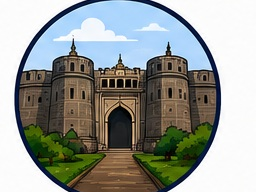
Ahmednagar
See what's happening
Browse topics · 47
Ahmednagar
Basic informationOpen ↗
| Field | Information | |---|---| | Official Name | Ahmednagar | | Common Name | Ahmednagar | | Native Name(s) | Ahmednagar; historically also associated with *Ahmadnagar* in English transliteration; Marathi: अहमदनगर | | Nicknames | _Data not readily available for this location._ | | Motto | _Data not readily available for this location._ | | Geographic Level | City | | Country | India | | State/Province | Maharashtra | | Capital | Not applicable; Ahmednagar is the district headquarters of Ahmednagar district | | Government Type | Municipal Corporation-led urban local government | | Date Founded | 1490 CE (commonly associated with the founding of Ahmad Nizam Shah I's city) | | Time Zone | Indian Standard Time (IST), UTC+5:30 | | Latitude | 19.0952° N | | Longitude | 74.7496° E | | Elevation | About 649 m above sea level | | Total Area | _Data not readily available for this location._ | | Population | About 350,000+ (2011 Census city-level figure commonly reported in the mid-300,000s; newer official city total varies by boundary and source) | | Population Density | _Data not readily available for this location._ | | ZIP/Postal Codes | 414001 and adjacent locality-specific PIN codes | | Area Codes | 0241 | | Official Languages | Marathi; Hindi and English are widely used in administration, education, and business | | Currency | Indian Rupee (INR) | | Demonym | Ahmednagar resident; Ahmednagari is also used informally |
OverviewOpen ↗
Ahmednagar is a historic city in western India in the state of Maharashtra, best known as the headquarters of Ahmednagar district and as the former capital of the medieval Ahmadnagar Sultanate. It occupies an important position between Pune, Nashik, Aurangabad (Chhatrapati Sambhajinagar), and the broader Deccan region. The city is recognized for its fort, military establishments, educational institutions, and role as a service center for the surrounding agricultural hinterland.
The city matters historically because of Ahmednagar Fort, a major stronghold in Deccan politics and later a significant site during British rule. In the modern Indian freedom movement, the fort is especially remembered as the place where Jawaharlal Nehru wrote *The Discovery of India* while imprisoned there along with other national leaders. This gives the city a place in both regional and national historical memory.
Economically, Ahmednagar functions as a district-level commercial and administrative hub. Trade in agricultural produce, sugar-related activity, education, government services, small manufacturing, transport, and retail all shape local life. Its setting in a drought-prone but agriculturally active district links the city closely to irrigation, cooperatives, and rural markets.
Ahmednagar is also associated with nearby religious and pilgrimage geography, especially Shirdi in the same district, and with major defense and vehicle-related establishments in the wider urban area. The result is a city with layers of medieval, colonial, military, and contemporary civic identity.
HistoryOpen ↗
The region around Ahmednagar has deep roots in the history of the Deccan plateau. Before the city's formal foundation, the broader area was inhabited and influenced by various early and medieval communities and dynasties of western India. As with much of Maharashtra, the cultural landscape was shaped over centuries by local agrarian societies, traders, temples, Sufi networks, and successive ruling powers.
Ahmednagar was founded in 1490 by Ahmad Nizam Shah I, who established the Nizam Shahi dynasty after breaking from the Bahmani Sultanate. The city became the capital of the Ahmadnagar Sultanate, one of the five Deccan sultanates. During this period it emerged as a fortified political center, known for court culture, military strategy, architecture, and participation in the shifting alliances and rivalries of the Deccan.
In the late 16th and early 17th centuries, Ahmednagar became a major theater in conflicts involving the Mughal Empire. The celebrated regent Chand Bibi is closely associated with the defense of Ahmednagar against Mughal forces. Although the city and kingdom resisted for a time, Mughal pressure intensified, and the Nizam Shahi state was eventually absorbed after prolonged conflict. The decline of the sultanate changed the city's political role, but it remained strategically important.
In the 18th century, the Marathas rose to prominence across the region, and Ahmednagar passed through changing spheres of authority in a period marked by military contests and political realignment. By the early 19th century, the British East India Company had established control over the area during the Anglo-Maratha conflicts. Under British rule, Ahmednagar developed as an administrative and military center.
Ahmednagar Fort acquired a special place in India's modern history during the freedom struggle. The British used it as a prison for prominent Indian nationalist leaders. Jawaharlal Nehru, Maulana Abul Kalam Azad, Vallabhbhai Patel, Govind Ballabh Pant, and others were detained there during the Quit India period. Nehru wrote much of *The Discovery of India* at the fort, permanently linking Ahmednagar to the intellectual history of independence.
After independence in 1947, Ahmednagar continued to evolve as a district headquarters and an urban center serving the surrounding rural economy. Growth in sugar cooperatives, banking, education, transport, and public administration shaped the post-independence era. In recent decades, the city has expanded as a regional service hub while retaining visible traces of its Sultanate, colonial, and nationalist past.
GeographyOpen ↗
Ahmednagar lies in the western part of Maharashtra on the Deccan plateau. The city stands inland, away from the Konkan coast, and forms part of a larger semi-arid region marked by basaltic geology, broad uplands, and river basins that support agriculture where water is available. Its location gives it strategic access to several major urban corridors within Maharashtra.
The surrounding district is one of Maharashtra's largest and includes a mix of plains, gently undulating plateau land, river valleys, and drier tracts. Important rivers in the wider district include the Godavari system's tributaries and rivers such as the Sina and Mula, which influence settlement and farming patterns. Water availability is highly uneven, making tanks, canals, reservoirs, and groundwater especially important.
Geologically, Ahmednagar sits in the Deccan Trap region, formed by ancient volcanic lava flows. This creates extensive basalt formations and characteristic black cotton soils in many areas nearby, along with other soil types suited to millet, sugarcane, pulses, and horticulture depending on irrigation. The landscape is not mountainous within the city itself, but the broader district includes upland and hill features associated with the Sahyadri-influenced interior.
The city's natural setting is defined less by dramatic scenery than by plateau terrain, seasonal rivers, agricultural fields, and an urban fabric shaped by roads, cantonment-related land use, and expanding residential colonies. The climate is generally hot and semi-arid, with a monsoon season that brings most annual rainfall.
TopographyOpen ↗
Ahmednagar city is situated on comparatively level to gently undulating plateau land typical of the interior Deccan. The built-up area does not feature major mountains or deep valleys, but slight elevation changes influence drainage, road alignment, and neighborhood expansion.
Topographic characteristics - Plateau setting: The city stands on the Deccan plateau at roughly 649 meters above sea level. - Terrain: Mostly flat to mildly rolling urban terrain, with open land and agricultural fringes beyond the denser core. - Drainage: Seasonal watercourses and low-lying drainage channels become more relevant during the monsoon. - Flood-prone pockets: As in many growing Indian cities, some local low-lying areas may experience waterlogging during heavy rains, though Ahmednagar is not chiefly known as a major floodplain city. - Regional relief: The broader district includes more varied uplands, hill ranges, and river valleys than the city proper.
High and low points - Highest point within the city: _Data not readily available for this location._ - Lowest point within the city: _Data not readily available for this location._
Coastal and canyon features - Coastal areas: None; Ahmednagar is inland. - Canyons: None of note within the city area. - Major escarpments or plateaus nearby: The wider Maharashtra plateau and hill country toward the Western Ghats influence the region's hydrology and climate patterns, though they are not dominant features inside the city itself.
Weather & climateOpen ↗
Ahmednagar has a hot semi-arid climate under the Köppen system, commonly classified as BSh, with strong seasonality. Summers are hot and dry, the southwest monsoon brings most of the annual rainfall, and winters are generally mild and comparatively pleasant.
Seasonal pattern - Summer (March-June): Daytime temperatures often rise above 35°C, and heat can become intense in April and May. - Monsoon (June-September): Rainfall arrives mainly from the southwest monsoon, lowering temperatures somewhat but raising humidity. - Post-monsoon (October-November): Warm days, clearer skies, and retreating rains. - Winter (December-February): Cooler, drier, and usually the most comfortable season.
Typical temperature ranges | Season | Typical Conditions | |---|---| | Summer | Roughly 25-40°C; hotter spells can exceed this | | Monsoon | Roughly 22-32°C | | Winter | Roughly 12-30°C; nights can be notably cooler |
Rainfall and humidity - Annual rainfall is moderate but highly seasonal, with most precipitation concentrated in the monsoon months. - Humidity is relatively low for much of the year compared with coastal Maharashtra, but rises during the monsoon.
Best time to visit - November to February is generally the most comfortable period for visitors, with milder temperatures and lower humidity.
Weather risks - Heat waves: A recurring summer risk. - Drought and water stress: Important regional concerns because of semi-arid conditions and variable monsoon performance. - Urban waterlogging: Possible in heavy monsoon downpours in localized areas. - Snowfall: None.
Climate note Exact long-term meteorological averages vary by station and source, but Ahmednagar is consistently described as a warm inland city with semi-arid conditions and monsoon-dependent rainfall.
PopulationOpen ↗
Ahmednagar is a medium-sized city by Indian standards and serves as the principal urban center of its district. The 2011 Census is the most commonly cited benchmark for city-level population, placing the municipal population in the mid-300,000s, with subsequent growth likely through urban expansion and peri-urban development.
Population profile - Total population: About 350,000+ in the 2011 census-era city count; current total depends on updated municipal boundaries and estimates. - Growth: Growth has been driven by district-level migration, educational opportunities, government employment, defense-related activity, and expansion of trade and services. - Urban character: The population includes long-established local families as well as migrants from rural parts of Ahmednagar district and neighboring districts.
Languages - Marathi is the dominant everyday language. - Hindi is widely understood and spoken. - English is commonly used in higher education, administration, and parts of business. - Urdu is also present in some communities.
Religion and social composition Ahmednagar has a religiously and socially diverse population, as is typical of historic urban centers in Maharashtra. Hinduism is the majority religion, with significant Muslim communities and smaller communities of Jains, Christians, Buddhists, and others. Caste, community, and migration networks continue to influence neighborhood patterns, employment, and institutions, though exact contemporary breakdowns vary by source.
Age, education, and work - The city has a substantial youth and working-age population due to its role as an education and service center. - Literacy levels are generally higher in the city than in many surrounding rural areas. - Employment is concentrated in retail, education, government, transport, manufacturing, healthcare, and service activities linked to the district economy.
Income and household data _Citywide current figures for age-group shares, gender ratio, income, and employment by sector are not readily available in a single standardized public source for this location._
GovernmentOpen ↗
Ahmednagar is governed as an urban local body in Maharashtra and functions as the administrative center of Ahmednagar district. Civic governance is handled through the municipal structure, while district administration is led separately by state-appointed officials.
Administrative structure - Urban local government: Ahmednagar Municipal Corporation is the principal civic authority for city services such as roads, sanitation, local planning, drainage, street lighting, and aspects of public health. - District administration: As district headquarters, Ahmednagar also hosts the offices of the District Collector and other state government departments. - State framework: The city is subject to the laws and institutional structure of the Government of Maharashtra.
Political representation - Residents are represented through municipal wards in the local body. - The city is also part of Maharashtra Legislative Assembly and Lok Sabha constituencies for state and national representation. - Exact constituency names and boundaries can change through delimitation and electoral revisions.
Leadership - Municipal leadership: The city is typically overseen through an elected council/corporation structure and executive municipal administration. - Mayor/administrator: Current officeholders can change frequently; readers should verify with the Ahmednagar Municipal Corporation or Maharashtra government portals for the latest names. - District Collector: Serves as the senior administrative officer for the district under the state government.
Public services Key public services include: - Water supply and urban sanitation - Solid waste management - Primary municipal health functions - Local roads and street lighting - Building permissions and town planning - Public markets, gardens, and civic facilities
Because Ahmednagar is an important district city, many state and quasi-government offices are concentrated here, increasing its administrative significance beyond its municipal population alone.
EconomyOpen ↗
Ahmednagar's economy is shaped by its role as a district headquarters, trading center, educational hub, and service node for a large agricultural region. It does not rank among India's largest metropolitan economies, but it is economically important within interior Maharashtra.
Economic character - Administrative economy: Government offices and public-sector services generate stable employment. - Agricultural trade: The city acts as a collection, distribution, and service center for crops and farm inputs from surrounding rural areas. - Education and healthcare: Colleges, coaching institutions, hospitals, and diagnostic services bring in students and patients from the district and beyond. - Retail and transport: Wholesale markets, logistics, warehousing, and local commerce are major urban functions.
Industrial and institutional anchors Ahmednagar is linked to vehicle and engineering activity in the broader urban area, including the well-known presence of establishments such as the Vehicle Research and Development Establishment (VRDE) and other defense-related infrastructure nearby. The local economy also benefits from workshops, fabrication, auto services, sugar-linked business, and construction.
Income and cost of living - Cost of living is generally lower than in Mumbai or Pune, though housing, land, and private education costs have risen over time. - Household incomes vary widely between salaried government employees, small business owners, industrial workers, and informal-sector workers.
Major employers and sectors - Government and public administration - Education institutions - Healthcare providers - Retail and wholesale trade - Transport and logistics - Small and medium manufacturing - Defense-related establishments in the wider area
GDP and investment _City-level GDP data is not readily available for this location._
Development outlook Future economic growth is likely to depend on: - Better urban infrastructure - Reliable water management - Road and logistics connectivity - Growth in education and healthcare services - Upgrading of small and medium industry - Stronger integration with regional industrial corridors in Maharashtra
IndustriesOpen ↗
- Agricultural trade and processing — The city serves a large farming district, so grain, pulses, sugar-linked business, farm equipment sales, and market-yard activity are central to the local economy.
- Education — Colleges, professional institutes, coaching centers, and schools make education a major employment and service sector with district-wide influence.
- Healthcare — Public and private hospitals, specialty clinics, pharmacies, and diagnostics support both local residents and people from surrounding talukas.
- Government and public administration — As district headquarters, Ahmednagar has a concentration of government offices, courts, and public institutions.
- Defense and automotive research support — The wider urban area is associated with military and vehicle-related establishments, including research and testing functions that support technical employment and ancillary services.
- Manufacturing and engineering — Small and medium units are active in fabrication, machinery repair, metalwork, automotive servicing, and industrial supplies.
- Retail and wholesale commerce — Traditional bazaars, modern shops, building-material markets, and consumer trade employ large numbers of people.
- Transport and logistics — Trucking, warehousing, passenger transport, repair workshops, and fuel services are important because of the city's regional connector role.
- Construction and real estate — Urban expansion has supported contractors, materials suppliers, housing developers, and related skilled trades.
- Banking and finance — Cooperative banks, nationalized banks, microfinance, and insurance services support both rural and urban households.
AgricultureOpen ↗
Although Ahmednagar is a city, its economy and food system are closely tied to the agriculture of the surrounding district, one of Maharashtra's major rural regions. Farming depends heavily on monsoon performance, irrigation access, and groundwater conditions.
Main crops in the surrounding region - Sugarcane in irrigated belts - Jowar (sorghum) and bajra (pearl millet) in drier tracts - Wheat in suitable irrigated areas - Pulses such as gram and other legumes - Oilseeds - Onion and other vegetables in market-oriented zones - Fruits, including pomegranate and grapes in parts of the district
Livestock - Dairy cattle and buffaloes are important to household income in many parts of the district. - Goats and poultry also contribute to mixed rural livelihoods.
Agro-economy links to the city Ahmednagar city supports agriculture through: - Wholesale markets and agricultural trade - Fertilizer, seed, and machinery dealerships - Banking and cooperative services - Transport and storage - Agro-processing and sugar-sector services in the district economy
Irrigation and constraints - Irrigation is uneven and depends on canals, wells, reservoirs, and lift systems. - Drought risk and water scarcity are major constraints. - Soil fertility and black soils support cultivation, but rainfall variability strongly affects productivity.
Fisheries, forestry, and organic production - Fisheries: Limited inland fish activity may exist in tanks and reservoirs in the wider district, but it is not a defining urban sector. - Forestry: Forestry is not a major feature of the city economy. - Organic farming: Present in niche form in parts of Maharashtra, but location-specific scale around Ahmednagar city is not clearly documented in public summaries.
HousingOpen ↗
Ahmednagar's housing market reflects its role as a district city rather than a major metro. It includes older core-city neighborhoods, plotted residential colonies, apartment development, mixed-use commercial streets, and expanding peri-urban housing along major roads.
Housing types - Single-family houses: Common in older neighborhoods and suburban layouts. - Apartments: Increasingly common in newer middle-class developments. - Mixed-use buildings: Common in the traditional urban core, with shops at ground level and residences above. - Institution-linked housing: Present around educational and government establishments.
Market characteristics - Housing prices and rents are generally below those in Pune and Mumbai, though demand has increased in better-connected and institution-rich areas. - Growth has been influenced by district migration, education, government employment, and broader urban expansion. - Availability and price vary significantly by road access, water supply, and proximity to schools, hospitals, and commercial areas.
Rental market - Rentals are important for students, government staff, hospital workers, and short-term district migrants. - Smaller apartments and independent portions are common in the local rental market.
Affordable housing and challenges - Lower-income households may face constraints related to land tenure, infrastructure quality, and service access in some peripheral or older settlements. - Water reliability and drainage can strongly affect residential desirability. - As in many Indian cities, there is a mix of formal planned housing and more incrementally developed areas.
Price data _Current citywide average home price and rent statistics are not readily available for this location._
NeighborhoodsOpen ↗
Ahmednagar contains a mix of historic areas, institutional zones, market districts, and newer residential extensions. Exact neighborhood boundaries are often informal in everyday use.
- Old City / Historic Core — The traditional heart of Ahmednagar, with older streets, markets, mixed-use buildings, religious sites, and civic landmarks reflecting the city's long history.
- Maliwada — A busy commercial area known for retail activity and transport connections within the city.
- Savedi — One of the better-known residential and institutional parts of modern Ahmednagar, with schools, housing colonies, and growing urban services.
- Pipeline Road area — A notable residential corridor associated with newer development and access to schools, apartments, and local amenities.
- Kedgaon — Historically significant and now part of the wider urban fabric, with residential, transport, and local commercial functions.
- Sarjepura and nearby central areas — Older established neighborhoods with markets, services, and civic importance.
- MIDC-linked outskirts — Peripheral areas associated with industrial and workshop activity, warehousing, and labor housing.
- Cantonment/defense-influenced zones in the wider area — Areas shaped by military land use, research establishments, or defense-linked activity rather than conventional dense residential growth.
Because local naming conventions can differ from official ward descriptions, residents often identify areas by roads, chowks, institutions, or long-established localities rather than formal neighborhood maps.
TransportationOpen ↗
Ahmednagar is a road-oriented inland city with strong regional connections across Maharashtra. Transport is centered on highways, state roads, buses, private vehicles, auto-rickshaws, and rail links serving the district and nearby cities.
Roads and highways - Ahmednagar is connected by major highways to Pune, Aurangabad (Chhatrapati Sambhajinagar), Nashik, Solapur, and other regional centers. - Road transport is crucial for passenger mobility, agricultural trade, and freight. - Internal movement depends on arterial roads, junctions, and expanding suburban corridors.
Public transport - City buses: Available in varying forms depending on current municipal and regional operations, though coverage and frequency may be more limited than in large metros. - MSRTC buses: Maharashtra State Road Transport Corporation provides important intercity and district bus connectivity. - Auto-rickshaws: A primary mode for short trips within the city. - Taxis and app-based rides: Available to some extent, though local dependence remains stronger on auto-rickshaws and private vehicles.
Rail - Ahmednagar railway station connects the city to important regional and national routes. - Rail links support passenger travel and some freight movement, though the city is not one of Maharashtra's largest rail junctions.
Air access - Ahmednagar does not function as a major commercial aviation hub. - The nearest significant airport access for many travelers is through Pune, with other regional airport options depending on route and purpose.
Non-motorized and emerging mobility - Walking remains common for short neighborhood trips. - Dedicated cycling infrastructure is limited. - EV charging is growing in India overall, but citywide public charging coverage in Ahmednagar is still developing.
Freight and logistics - Truck transport is vital for farm produce, retail supply chains, construction materials, and district commerce. - Warehousing and roadside service businesses form part of the city's transport economy.
Ports - None; Ahmednagar is inland.
InfrastructureOpen ↗
Ahmednagar's infrastructure reflects the opportunities and constraints of a growing district city in semi-arid interior Maharashtra. Core systems exist, but service quality can vary across older neighborhoods, newer layouts, and peripheral settlements.
Electricity - Power is supplied through Maharashtra's state electricity distribution system. - Urban electricity access is widespread, though outages and load-related issues may still occur depending on season and local network conditions.
Water supply - Water supply is a major civic issue because the city lies in a water-stressed region. - Supply depends on municipal systems, storage, distribution networks, and regional water sources. - Intermittent supply patterns and summer stress are recurring concerns in many parts of the city.
Sewerage and drainage - Sewerage coverage exists but is not always uniform across all neighborhoods. - Stormwater drainage can be strained during intense monsoon events, especially in lower-lying or rapidly built-up areas.
Solid waste - Municipal waste collection is part of core city services, though consistency and processing capacity can vary over time.
Internet and broadband - Mobile internet and 4G services are widely available through major telecom operators. - Fiber broadband and wired internet are available in many urban neighborhoods, especially commercial and middle-class residential areas. - Quality may vary by provider and locality.
Cellular service - Major Indian telecom networks operate in the city. - Indoor coverage and speeds can differ by building type and neighborhood density.
Health and civic infrastructure - The city has public hospitals, private hospitals, clinics, and pharmacies serving both urban and district populations. - As district headquarters, it also hosts courts, administrative buildings, police facilities, and public service offices.
Key infrastructure challenge The central long-term infrastructure challenge for Ahmednagar is balancing urban growth with reliable water supply, drainage, traffic management, and planned expansion in a semi-arid environment.
EducationOpen ↗
Ahmednagar is an established education center for its district, with a mix of colleges, professional institutions, schools, and libraries. Students from surrounding rural areas commonly come to the city for secondary, higher, and technical education.
Higher education and notable institutions - Ahmednagar College — One of the city's best-known institutions, offering undergraduate and postgraduate education across arts, science, and commerce. - Institute of Management Studies and Career Courses (IMCC-type naming should not be assumed locally) — _Data not readily available for this location._ - Dr. Vithalrao Vikhe Patil Foundation institutions (in the Ahmednagar area) — Associated with education and professional programs in the wider district context. - College of Agriculture, Ahmednagar — Agricultural education has an important presence in the district context, though institutional naming should be verified by current official sources. - Government Polytechnic, Ahmednagar — A recognized technical education institution in the city. - Armoured Corps Center and School-related educational facilities — Training-oriented institutions are significant in the wider Ahmednagar area, though they are specialized rather than general public higher education.
Schools - Ahmednagar has numerous Marathi-medium, English-medium, and Urdu-medium schools. - Both state board and CBSE/ICSE-affiliated schools are present in the wider city market. - Well-known school names can change in prominence over time; local verification is advisable for current rankings and affiliations.
Libraries and learning - The city has public and college libraries that support students preparing for university, technical careers, and public-sector examinations. - District-level educational demand has encouraged coaching centers and tutorial services.
Educational role Education is one of Ahmednagar's strongest urban functions. The city attracts: - College students from across the district - Competitive exam aspirants - Teacher training and technical students - Families seeking better school access than in smaller nearby towns
Named institutions with broad public recognition - Ahmednagar College - Government Polytechnic, Ahmednagar - The New Arts, Commerce and Science College, Ahmednagar - Pemraj Sarda College - The Ahmednagar Education Society and its associated institutions
Some institution names and statuses should be confirmed against current official listings, but Ahmednagar's identity as a district education hub is well established.
HealthcareOpen ↗
Ahmednagar is a major district-level service center in Maharashtra, with a mix of government and private healthcare facilities.
Main healthcare institutions - Civil Hospital, Ahmednagar — the principal government hospital serving the city and surrounding district, handling general medicine, surgery, maternity, and emergency care. - District-level public health services — Ahmednagar city also connects to the wider district network of primary health centers, rural hospitals, and specialty referrals. - Private multispecialty hospitals and nursing homes — the city has a substantial private medical sector with maternity homes, surgical centers, dental clinics, eye care, and orthopedic services.
Typical services available - General medicine and family practice - Obstetrics and gynecology - Pediatrics - Orthopedics - Diagnostic laboratories and imaging centers - Dental care - Eye hospitals and optical services - Pharmacies and medical stores across commercial neighborhoods
Mental health and elder care - Mental health support is generally accessed through psychiatrists, counseling clinics, and district hospital services. - Nursing homes, assisted elder care, and rehabilitation services are present in the city, though the sector is less prominently documented than in larger metros.
Access notes - Residents often use Ahmednagar for secondary care, while highly specialized tertiary treatment may require travel to Pune, Nashik, or Mumbai. - For the most current hospital lists and government services, district administration and Maharashtra health department sources are the best reference points.
Emergency servicesOpen ↗
Ahmednagar is served by standard Indian urban emergency systems through police, fire, ambulance, and district disaster administration.
Emergency numbers - Police: 100 - Fire: 101 - Ambulance: 108 - National emergency response: 112
Emergency services - Ahmednagar Police — city policing is handled through local police stations under Maharashtra Police. - Fire services — the municipal fire brigade responds to urban fires, road incidents, and rescue situations. - Government ambulance networks — emergency ambulance support is commonly accessed through 108 and hospital-linked ambulance services. - District disaster management — the district administration coordinates response for floods, severe weather, accidents, and other civil emergencies.
Typical emergency infrastructure - Police stations across the city - Fire station coverage within municipal limits - Emergency wards at major hospitals - Traffic police and highway response support on important road links
Risk context - Common urban emergencies include road traffic accidents, seasonal flooding in low-lying areas, electrical fires, and heat-related stress during hot months. - During monsoon periods, local authorities issue advisories related to drainage, road safety, and waterlogging where relevant.
BusinessesOpen ↗
Ahmednagar functions as an administrative, agricultural-market, educational, and industrial city for a large part of central Maharashtra.
Economic profile - Administrative services — as a district headquarters, government offices are a major source of employment. - Agricultural trade — the city serves the surrounding sugarcane, grain, dairy, and horticultural economy through wholesale markets, transport, storage, and finance. - Manufacturing and industrial activity — Ahmednagar has engineering, auto-related, food processing, and small manufacturing businesses. - Education and healthcare services — colleges, coaching centers, hospitals, diagnostics, and retail services support the city economy.
Business areas - Traditional commercial streets in the old city - Retail and service corridors around major roads and junctions - Wholesale market activity linked to agricultural produce and daily goods - Industrial estates in and around the urban area
Important business sectors - Agro-processing - Auto servicing and machinery - Construction materials - Education services - Banking and cooperative finance - Pharmaceuticals retail and distribution - Hospitality and event services
Shopping and local commerce - Ahmednagar has a strong base of local family-run shops, jewelry businesses, textile traders, hardware suppliers, medical stores, and eateries. - Weekly and daily market activity remains important alongside newer supermarkets and branded retail.
Broader context - The city benefits from its position between larger urban centers such as Pune, Nashik, and Aurangabad/Chhatrapati Sambhajinagar, though it remains more regionally focused than metro-oriented.
Restaurants & foodOpen ↗
Ahmednagar's food culture reflects wider Maharashtrian traditions along with North Indian, South Indian, and contemporary urban dining.
Local food character - Maharashtrian thali with bhakri, vegetables, dal, rice, and regional accompaniments - Misal pav, vada pav, and other popular western Maharashtra snacks - Poha, upma, and breakfast tiffin staples - Sweets and bakery items common to urban Maharashtra - Strong presence of vegetarian dining, though non-vegetarian restaurants are also widely available
What people commonly eat out - Udupi-style South Indian restaurants - Maharashtrian snack houses - Family restaurants serving Punjabi and North Indian dishes - Biryani and kebab outlets - Chaat, juice, and ice-cream shops - Bakery cafes and casual fast-food counters
Markets and everyday food economy - Street food is an important part of city life, especially in busy market areas and around colleges. - Fresh produce, grains, spices, and dairy products are supplied through local markets tied to the district's agricultural base.
Specialty context - Ahmednagar is not nationally famous for a single signature dish in the way some Indian cities are, but it offers a strong example of everyday inland Maharashtrian urban food culture.
Visitor note - For the best local experience, travelers often look for long-running local eateries, sweet shops, snack stalls, and traditional thali restaurants rather than destination fine dining.
TourismOpen ↗
Ahmednagar has a layered history linked to the Nizam Shahi dynasty, the Mughal period, the British era, and India's freedom movement.
Major attractions - Ahmednagar Fort — the city's best-known historic landmark. The fort is associated with medieval Deccan power struggles and later with British detention of Indian national leaders, including Jawaharlal Nehru, who wrote parts of *The Discovery of India* while imprisoned there. - Cavalry Tank Museum — a distinctive military museum displaying armored vehicles and tanks, reflecting the city's long connection to the Indian Army's Armoured Corps. - Salabat Khan II Tomb (popularly called Chand Bibi Palace) — a hilltop structure outside the core city, known more accurately as a tomb rather than a palace; it offers historical interest and broad views. - Historic gates and old-city fabric — remnants of medieval and later-period urban form survive in parts of Ahmednagar.
Religious and heritage sites - Shani Shingnapur — a major pilgrimage destination in Ahmednagar district, often visited as a regional excursion from the city. - Meherabad — associated with the spiritual teacher Meher Baba; an important pilgrimage and heritage site in the district.
Museums and memory - Military heritage is especially important due to nearby cantonment institutions and armored corps history. - Freedom movement associations make Ahmednagar relevant in modern Indian political history.
Best ways to explore - Half-day fort and museum visits - Short drives to hill viewpoints and district pilgrimage sites - Walking or driving through older neighborhoods for architectural context
Practical note - Access rules can vary for military-related sites and fort areas; visitors should confirm opening hours and permissions locally.
RecreationOpen ↗
Ahmednagar offers mostly city-scale and district-scale recreation rather than resort-style tourism.
Common recreational activities - Evening walks and social recreation in city gardens and open grounds - Local gymnasiums, fitness centers, and yoga classes - Cricket, football, badminton, and athletics in school and club facilities - Family outings to historic sites and district pilgrimage destinations
Outdoor recreation - Short scenic drives into the surrounding countryside - Hill visits near the city for views and photography - Seasonal monsoon outings when the landscape becomes greener
Sports and leisure infrastructure - Public playgrounds and school grounds - Indoor halls for badminton and other local sports - Swimming pools and coaching facilities in private institutions where available
Regional recreation patterns - Residents often travel to nearby districts or larger cities for extensive mall entertainment, large water parks, or specialized adventure tourism. - Community recreation in Ahmednagar is closely tied to festivals, educational campuses, sports grounds, and neighborhood clubs.
Parks & natureOpen ↗
Ahmednagar is situated in the semi-arid Deccan region, so its natural environment is shaped by dryland landscapes, seasonal rivers, cultivated fields, and monsoon-dependent greenery.
Nature setting - Dry deciduous and scrubland characteristics in the broader region - Agricultural landscapes surrounding the urban area - Seasonal transformation during and after the monsoon
Urban green spaces - The city has local gardens and open recreational grounds used by residents for walking, exercise, and social gatherings. - Larger formal urban park systems are less prominent than in Maharashtra's biggest cities.
Nearby nature context - The district includes river basins, farmlands, low hills, and pilgrimage landscapes with open rural scenery. - Birdlife and small wildlife are more often experienced in agricultural and wetland-edge habitats than in major forest parks within the city itself.
Environmental concerns - Water stress, urban expansion, and seasonal heat are important local environmental realities. - Monsoon recharge is significant for both agriculture and urban life.
_Data not readily available for this location._
Rivers, lakes & waterwaysOpen ↗
Ahmednagar's water setting is shaped by the broader river systems of the district and the semi-arid conditions of inland Maharashtra.
Main waterway context - The Sina River is associated with the Ahmednagar area. - The district as a whole is influenced by larger river basins including the Godavari and Bhima systems through tributaries and regional hydrology.
Local water features - Seasonal streams and drainage channels become more active during the monsoon. - Tanks, reservoirs, and irrigation infrastructure are important in the wider district due to the dry climate.
Water use and significance - Urban water supply, agriculture, and groundwater management are central issues. - Rivers and reservoirs in the district support irrigation and settlement patterns more than classic waterfront recreation.
Visitor perspective - Ahmednagar is not primarily known as a lakeside or riverfront destination. - Water landscapes are more functional and seasonal than scenic in the conventional tourism sense, though monsoon periods can briefly transform the area.
Arts & cultureOpen ↗
Ahmednagar's culture blends Marathi traditions with the legacies of Deccan Sultanate history, colonial institutions, military presence, and modern education.
Cultural profile - Marathi language and culture dominate public life. - Historical influences include the Nizam Shahi period and later Mughal and British eras. - The city has a long association with military institutions and civic education.
Arts and heritage - Historic architecture centered on Ahmednagar Fort and older built remnants - Local cultural programs in schools, colleges, auditoriums, and community halls - Traditional music, devotional performance, and festival arts
Performance and community culture - Theater and cultural competitions often emerge through colleges and local organizations. - Religious festivals generate music, processions, decorative arts, and community performance. - Marathi literary and educational culture has an ongoing local presence.
Museums and institutions - Cavalry Tank Museum contributes a distinctive museum experience tied to military heritage. - Historical memory associated with the freedom movement adds another layer to the city's cultural identity.
Heritage themes - Deccan political history - Freedom movement history - Pilgrimage and spiritual culture in the wider district - Everyday urban Maharashtrian traditions
ReligionOpen ↗
Ahmednagar is religiously diverse, with a majority Hindu population and significant Muslim, Jain, Christian, Buddhist, and other communities, reflecting the wider social patterns of Maharashtra's urban centers.
Major religious traditions - Hinduism — the largest faith community, with numerous temples and neighborhood shrines. - Islam — long established in the city, reflecting Ahmednagar's history as a former sultanate capital. - Jainism — present through business and community networks as in many towns of Maharashtra. - Christianity — represented by churches and educational or charitable institutions. - Buddhism and other traditions — present in smaller numbers.
Religious landscape - Temples, mosques, dargahs, churches, and Jain places of worship are part of the city's fabric. - The district is also known for important pilgrimage destinations such as Shani Shingnapur and Meherabad.
Civic role of religion - Festivals structure much of the social calendar. - Religious institutions often contribute to charity, education, and community support. - Processions and observances are important features of public life, especially during major Hindu and Muslim festivals.
Note - A precise city-only religious composition can vary by census year and boundary definition; district and municipal census sources are the best references for current figures.
SportsOpen ↗
Ahmednagar has a strong everyday sports culture centered on schools, colleges, clubs, and military influence rather than major national professional franchises.
Popular sports - Cricket — by far the most widely played sport in grounds, schools, and neighborhood tournaments. - Football — played recreationally and institutionally. - Kabaddi and kho-kho — traditional Indian sports with school and local competition presence. - Athletics — supported through educational institutions. - Badminton and indoor games — common in clubs and community halls.
Military connection - The city's association with armored and cantonment institutions has historically reinforced a culture of physical training, discipline, and organized sports.
Sports venues and facilities - School and college grounds - Public playgrounds - Indoor sports halls - Fitness centers and coaching academies
Competitive culture - Inter-school and inter-college tournaments are important. - Local cricket leagues and seasonal competitions draw community participation.
Spectator context - For top-tier professional sports, residents often follow teams based in larger Maharashtra cities such as Pune and Mumbai.
EventsOpen ↗
Ahmednagar's events calendar is driven by religious festivals, civic observances, school-college activities, and local cultural programs.
Regularly observed events - Ganesh Chaturthi — one of the city's most visible public festivals, with installations, processions, and cultural events. - Diwali — widely celebrated across neighborhoods and markets. - Navratri / Dussehra — devotional and community celebrations. - Eid observances — important for the city's Muslim community. - Ram Navami, Mahashivaratri, and other Hindu observances - Independence Day and Republic Day civic ceremonies
Community events - School and college annual days, sports meets, and youth festivals - Cultural competitions, music programs, and literary events - Local fairs tied to temples or neighborhood communities
District-linked pilgrimage events - Pilgrimage surges connected to sites such as Shani Shingnapur and Meherabad influence the wider regional calendar.
Market and social life - Seasonal shopping peaks occur around major festivals. - Informal food, retail, and cultural gatherings often accompany festival periods.
Note - A consolidated citywide official annual events calendar is less visible than in major tourist metros; many important events are community-organized.
MediaOpen ↗
Ahmednagar is served by Marathi-language and broader Maharashtra media, along with district reporting and local cable or digital news platforms.
Print and news ecosystem - Regional Marathi newspapers circulate widely in the city, including editions of major Maharashtra dailies. - English-language newspapers from Maharashtra are also available, though local daily readership is stronger in Marathi. - District-focused reporting covers politics, agriculture, education, crime, and civic issues.
Broadcast media - FM radio and regional radio services are available, alongside national broadcasters. - Television news consumption largely comes through Maharashtra-wide Marathi channels and national Hindi/English channels.
Digital media - Online district news portals and social media pages play a major role in local information sharing. - WhatsApp and social platforms are widely used for civic updates, event notices, and community discussion.
Coverage themes - Municipal administration - Water supply and infrastructure - Education and exam culture - Agriculture and market rates in the district - Law and order - Festival coverage
Prominent personalitiesOpen ↗
- Jawaharlal Nehru — India's first Prime Minister; closely associated with Ahmednagar Fort, where he was imprisoned by the British and wrote much of *The Discovery of India*.
- Maulana Abul Kalam Azad — major freedom fighter and independent India's first Education Minister; among national leaders detained at Ahmednagar Fort.
- Sardar Vallabhbhai Patel — key leader of the independence movement and India's first Deputy Prime Minister; also linked to detention at Ahmednagar Fort.
- Dr. B. R. Ambedkar — national constitutional leader with major influence across Maharashtra; an important historical figure in the region's public memory, though not specifically native to Ahmednagar.
- Meher Baba — influential spiritual teacher whose ashram and tomb at nearby Meherabad make him one of the district's most internationally known figures.
- Chand Bibi — famed Deccan noblewoman and military leader historically associated with Ahmednagar's defense, though many popular local attributions simplify a more complex history.
- Murlidhar Devidas Amte (Baba Amte) — not an Ahmednagar native, but an iconic Maharashtra social reformer often referenced in the state's civic culture.
Note Ahmednagar's best-known historical personalities are often connected through the fort, the Nizam Shahi era, and district spiritual history rather than through a long list of nationally famous city-born celebrities.
Notable companiesOpen ↗
Ahmednagar's notable companies are concentrated more in regional industry, manufacturing, agro-processing, retail, and services than in nationally famous headquarters.
Main company and employer types - Government offices and public institutions - Educational institutions and hospital groups - Agricultural trading firms and cooperatives - Engineering and manufacturing units in nearby industrial areas - Construction and building-material businesses - Auto dealerships and service networks - Retail chains and local family-owned enterprises
Industrial context - Ahmednagar district has long had links to sugar, dairy, engineering, and other agro-industrial sectors. - The city benefits from surrounding industrial estates and transport connectivity within Maharashtra.
Notability note - Unlike Pune or Mumbai, Ahmednagar is not widely known as the headquarters city for many nationally prominent corporations. - Locally important businesses may be well established but not consistently documented in national reference sources.
_Data not readily available for this location._
Sister citiesOpen ↗
_Data not readily available for this location._
Local organizationsOpen ↗
Local Organizations
Ahmednagar has a mix of civic, educational, religious, agricultural, and business institutions that shape community life.
Common types of local organizations - Ahmednagar Municipal Corporation and ward-level civic bodies involved in sanitation, roads, public health, and urban services. - District administration offices for Ahmednagar district, which often coordinate welfare, disaster response, land records, and public schemes. - Chambers and trade associations representing local business, retail, transport, and agricultural interests. Publicly visible district-level or city-level chamber information is limited, but such associations are active in Maharashtra's commercial centers. - Cooperative institutions linked to the wider Ahmednagar region, especially in sugar, dairy, banking, and agriculture, reflecting the district's strong cooperative movement. - Educational trusts and societies that run schools, colleges, technical institutes, and hostels. - Religious and charitable trusts associated with temples, mosques, churches, dargahs, and community halls. - Rotary, Lions, youth clubs, and senior citizen groups are commonly present in major Maharashtra cities, including Ahmednagar, though specific chapter details should be verified locally. - Women's self-help groups (SHGs) and rural-urban livelihood groups connected to Maharashtra government and district-level development programs. - Farmer organizations serving nearby agricultural communities in the district. - Blood donation, health camp, and disaster relief groups often coordinated through hospitals, NGOs, colleges, and social clubs.
Major institutional anchors nearby or in the city - Ahmednagar College — a long-established higher education institution with strong civic and academic presence. - Dr. Babasaheb Ambedkar Technological University-related regional academic networks and university-affiliated colleges in the district. - Armoured Corps Center and School (ACC&S) — a major military establishment with historical importance to the city. - Cavalry Tank Museum — while not a nonprofit, it is a significant public institution shaping heritage identity.
Community life in practice Residents often connect through: - school and college alumni groups - neighborhood Ganesh मंडळs and festival committees - mosque committees and dargah trusts - temple trusts and bhajan groups - sports clubs, especially cricket and kabaddi - cooperative societies and local credit groups - caste/community associations, common in many Indian cities - service organizations that run medical camps, scholarship drives, and food distribution
How to find active organizations locally For up-to-date participation opportunities, residents usually consult: - Ahmednagar Municipal Corporation notices - district administration portals - local Marathi newspapers - college notice boards and NSS/NCC units - temple, mosque, and church bulletin boards - local Facebook and WhatsApp community groups - event listings around major festivals and civic drives
Education statisticsOpen ↗
Education Statistics
Ahmednagar is an established education center in western Maharashtra, with a mix of government, aided, private, and professional institutions.
Overview - The city has primary, secondary, and higher secondary schools in Marathi, Hindi, Urdu, and English-medium formats. - It also has arts, science, commerce, teacher education, technical, management, and professional colleges. - Ahmednagar College is among the city's best-known institutions and has been important in regional higher education for decades. - Nearby district institutions and affiliated colleges connect the city to the wider Savitribai Phule Pune University ecosystem and other state-level education networks.
Notable educational institutions - Ahmednagar College - Government Polytechnic Ahmednagar - College of Agriculture, Ahmednagar (district-level agricultural education presence is significant in the region) - Numerous CBSE, state board, and convent/private schools
Literacy and attainment - Ahmednagar district and city are part of Maharashtra, a state with comparatively high literacy by Indian standards. - City-specific current literacy, graduation-rate, or learning-outcome figures are not always consolidated in a single public dashboard. - Census and district statistical documents are the best starting point for historical literacy and population-by-education figures.
Graduation rates and school performance _Data not readily available for this location._
School rankings - Individual schools in Ahmednagar may appear in private ranking lists or exam-result reports, but such rankings are not always methodologically consistent. - Families generally compare schools using: - SSC/HSC board results - language medium - transport availability - fees - campus discipline and safety - science, commerce, and competitive exam preparation
Higher education and research context - Ahmednagar is not typically listed among India's biggest university cities, but it plays an important regional higher education role. - Students from surrounding talukas and villages often come to the city for college education, coaching, and hostels. - Common academic pathways include: - arts and commerce degrees - science and computer courses - engineering and diploma pathways - teacher training - agriculture-related study - nursing and paramedical education
Practical notes for families and students - Verify affiliation and accreditation through official university and regulatory portals. - For school admissions, local demand can be strongest around: - kindergarten and Class 1 entry - Classes 11–12 science streams - English-medium schools - technical diploma programs - Competitive exam coaching for MHT-CET, JEE, NEET, UPSC/MPSC, and banking is common in the city and district.
Public utilitiesOpen ↗
Public Utilities
Ahmednagar's utility services are delivered through a combination of municipal systems, state agencies, and private or franchise distribution networks.
Electricity - Electricity in Ahmednagar is generally supplied through Maharashtra State Electricity Distribution Company Limited (MSEDCL / Mahavitaran). - Residents can typically access: - new connections - bill payment - outage reporting - load change requests - online account services - Urban supply reliability varies by neighborhood and season; monsoon and infrastructure faults can affect service.
Water supply - Ahmednagar Municipal Corporation is the key civic body for urban water distribution, maintenance of supply lines, and related billing or tanker coordination where relevant. - Water service patterns in many Indian cities may include scheduled supply hours rather than continuous 24/7 household flow. - Seasonal stress can increase during dry periods.
Sewerage and drainage - Sewerage, stormwater drains, and sanitation infrastructure are municipal responsibilities. - Older neighborhoods may experience drainage constraints during heavy monsoon rainfall. - Expansion and maintenance tend to be ongoing urban priorities.
Solid waste management - Garbage collection is overseen by the municipal corporation, often through a mix of direct operations and contracted service providers. - Services may include: - household waste pickup - street sweeping - segregation awareness - bulk waste handling - market-area cleaning
Gas - LPG for households is widely available through major Indian distributors such as Indian Oil, Bharat Gas, and HP Gas. - Piped natural gas availability should be checked locally, as coverage can vary by neighborhood and city development stage.
Telecom and internet - Mobile and broadband services are available through major Indian operators, commonly including: - Jio - Airtel - BSNL - Vodafone Idea - Fiber broadband availability depends on locality.
Public lighting and roads - Streetlights, many local roads, pothole repair, and public-space maintenance are municipal matters. - Maharashtra's public works agencies also play roles on state roads and district connectors.
Common resident concerns - irregular water timing in some localities - transformer or feeder faults in peak weather - road digging linked to utility upgrades - drainage overflow during intense rain - waste segregation compliance
Useful service contacts to look up - Ahmednagar Municipal Corporation - MSEDCL / Mahavitaran - Maharashtra Pollution Control Board - district disaster management office - LPG distributor portals
SafetyOpen ↗
Safety
Ahmednagar is a mid-sized Maharashtrian city with the usual mix of urban and district-headquarters safety conditions. Most daily movement is routine, but residents and visitors should use standard precautions.
Emergency numbers in India - Police: 112 or 100 - Fire: 101 - Ambulance: 108 or 102 - Women helpline: 1091 - Child helpline: 1098
Policing - Law and order is handled by Maharashtra Police, with city and district police structures serving Ahmednagar. - Traffic regulation, crowd control during festivals, and VIP/security deployments are regular responsibilities.
Crime overview - As in many Indian cities, commonly reported concerns tend to include: - two-wheeler theft - chain-snatching or opportunistic street theft - traffic violations and accidents - neighborhood disputes - cyber fraud and online scams - Available public understanding suggests Ahmednagar is not generally viewed as among India's highest-crime major cities, but conditions vary by locality and time.
Road safety - Traffic can be congested around markets, schools, bus stands, and older city roads. - Two-wheelers are common; helmet use is strongly advised. - Pedestrians should take care at busy junctions and during festival processions. - Monsoon conditions can reduce visibility and increase pothole or waterlogging risk.
Visitor safety tips - Use registered taxis, app-based cabs where available, or known local transport options. - Keep valuables secure in crowded areas. - Be especially alert at bus stands, railway stations, and market streets. - Dress and behave respectfully at religious sites and military-adjacent areas. - Avoid photographing restricted defense installations.
Women's safety - Many women travel, study, and work normally across the city, but standard precautions are sensible: - prefer trusted transport late at night - share live trip details when needed - avoid isolated stretches after dark
Health and emergency preparedness - During summer, heat and dehydration can be real risks. - During monsoon, standing water and mosquito breeding can increase public health concerns. - Keep local hospital and pharmacy details handy.
Practical safety checklist - save emergency numbers - carry drinking water in hot months - confirm last-mile transport before late travel - use digital payments carefully and verify QR codes - keep ID and key documents accessible but secure
EnvironmentOpen ↗
Environment
Ahmednagar sits in the Deccan Plateau region of Maharashtra and experiences a relatively dry climate compared with the Konkan coast.
Natural setting - The city lies in an inland semi-arid zone with hot summers, a monsoon season, and milder winters. - The wider district has an agricultural landscape shaped by variable rainfall, rivers, tanks, and irrigation systems.
Climate profile - Summer: hot and dry, often the most physically demanding season - Monsoon: essential for water recharge but sometimes uneven - Winter: generally pleasant and comparatively dry
Air quality - Air quality can fluctuate due to: - vehicle emissions - road dust - construction activity - seasonal burning in surrounding areas - It is not as internationally monitored as some larger metros, so publicly visible hyperlocal data may be limited.
Water and water stress - Water management is an important issue across inland Maharashtra. - Rainfall variability, groundwater dependence, and storage infrastructure all affect urban and rural water security. - Conservation, efficient irrigation, and leakage control remain important regional themes.
Green spaces and protected nature nearby - The city has parks and institutional open spaces, though it is not primarily known as a forest city. - The wider district and region connect residents to hill forts, plateau landscapes, and seasonal countryside. - For major biodiversity attractions, people often look beyond the city to larger protected areas elsewhere in Maharashtra.
Waste and recycling - Recycling and segregation efforts exist within the broader framework of urban solid waste management in Maharashtra. - Common recyclable streams include: - paper - plastic - metal - glass - e-waste through specialized channels - Informal recycling networks also play a role, as in many Indian cities.
Environmental priorities - urban tree cover - dust control - sewage treatment - plastic reduction - monsoon drainage maintenance - groundwater recharge - protection of local lakes, tanks, and water bodies
Sustainability context - Maharashtra cities increasingly engage with: - LED streetlighting - solar adoption on buildings - waste segregation campaigns - cleaner mobility planning - watershed and drought-resilience efforts - Ahmednagar's future resilience is closely tied to water planning, climate adaptation, and controlled urban growth.
Future developmentOpen ↗
Future Development
Ahmednagar's future is shaped by its role as a district headquarters, education center, military city, and agro-commercial hub in Maharashtra.
Likely development themes - Road upgrades and traffic management to ease movement through dense urban corridors. - Water supply and sewage improvements, especially important in a water-stressed region. - Stormwater drainage projects to reduce monsoon flooding and localized waterlogging. - Solid waste modernization including better segregation, transport, and disposal systems. - Digital municipal services for tax, grievance reporting, permits, and citizen access. - Housing expansion on the urban edge as the city grows outward.
Economic direction Ahmednagar's economy is likely to continue relying on a blend of: - government and defense-linked activity - education and student services - retail and transport - agro-trade from the surrounding district - small manufacturing and workshops - healthcare and professional services
Regional infrastructure influence - Improvements on state and national road networks in Maharashtra can strengthen Ahmednagar's connectivity with Pune, Nashik, Aurangabad/Chhatrapati Sambhajinagar, and other regional markets. - Rail service remains important, though city development has historically leaned strongly on road transport.
Urban planning issues to watch - preservation of heritage structures, especially around the fort and older civic areas - encroachment and land-use pressure - mobility planning for two-wheelers, buses, pedestrians, and freight - reliable public health infrastructure - balancing growth with water availability
Civic opportunities Future progress is likely to depend on: - stronger ward-level governance - citizen reporting of utility issues - lake and drainage restoration - school and college partnerships in environmental action - local entrepreneurship and job creation
Major projects _Data not readily available for this location._
DemographicsOpen ↗
Demographics
Ahmednagar is a diverse urban center in Maharashtra with a population shaped by trade, administration, education, defense presence, and migration from surrounding rural areas.
General profile - The city includes long-settled Maharashtrian communities as well as families connected to business, education, military service, and district administration. - Marathi is the dominant public language, with Hindi and Urdu also widely understood in many areas. - Religious life is visibly plural, with Hindu, Muslim, Buddhist, Christian, and Jain communities present.
Demographic snapshot
| Category | Notes | |---|---| | Population | Ahmednagar is a major city and municipal corporation in Ahmednagar district; exact current figure should be checked against Census and official municipal updates. | | Main languages | Marathi, Hindi, Urdu, English | | Religion | Hindu majority with significant Muslim population; Buddhist, Jain, and Christian minorities also present | | Urban character | District headquarters, military presence, education hub, market city | | Migration pattern | In-migration from nearby towns and villages for study, work, healthcare, and administration |
Composition table
| Demographic aspect | Summary | |---|---| | Ethnic/social composition | Predominantly Maharashtrian communities, with diverse caste and community groups typical of western India | | Language distribution | Marathi dominant; Hindi and Urdu common; English used in education, administration, and business | | Religion distribution | Hindu majority; notable Muslim community; smaller Buddhist, Jain, and Christian communities | | Age groups | Mix of school-age children, college youth, working-age adults, and older residents; student population is locally important | | Household pattern | Nuclear and joint families both common |
Census note - For precise demographic percentages, the most reliable sources are: - Census of India - municipal publications - district socio-economic reports - state statistical abstracts - Public summaries may differ by year and administrative boundary definition.
Interesting factsOpen ↗
Interesting Facts
- Ahmednagar is named after Ahmad Nizam Shah I, the founder of the Nizam Shahi dynasty.
- The city was founded in 1494, making it one of the historically important medieval cities of the Deccan.
- Ahmednagar served as the capital of the Ahmadnagar Sultanate.
- The Ahmednagar Fort is one of the city's best-known landmarks and has major military and political history.
- The fort is associated with the imprisonment of several Indian national leaders during the freedom struggle.
- Jawaharlal Nehru wrote parts of *The Discovery of India* while imprisoned in Ahmednagar Fort.
- Ahmednagar has a long association with the Indian Army, especially armored training traditions.
- The city is home to the Armoured Corps Center and School, an important military institution.
- The Cavalry Tank Museum in Ahmednagar is one of India's most notable military museums.
- Ahmednagar lies in a relatively dry region of Maharashtra, unlike the state's humid coastal belt.
- The city functions as the administrative headquarters of Ahmednagar district.
- Ahmednagar is an important service center for nearby agricultural communities.
- The wider district has played a major role in Maharashtra's cooperative movement, especially in sugar and rural development.
- The city has a strong education sector, drawing students from surrounding towns and villages.
- Ahmednagar College is among the city's best-known higher education institutions.
- The old city and fort area reflect layers of Deccan, Mughal, Maratha, British, and modern Indian history.
- Ahmednagar's location gives it road links to several major Maharashtra urban centers.
- Markets in Ahmednagar connect urban consumers with produce and goods from the rural district.
- Marathi culture is central to everyday life, but the city is linguistically mixed and socially diverse.
- Ahmednagar is historically significant well beyond its size because of its fort, military legacy, and role in India's political history.
FAQOpen ↗
FAQ
Q: Where is Ahmednagar located? A: Ahmednagar is a city in the state of Maharashtra, India, and serves as the headquarters of Ahmednagar district.
Q: Is Ahmednagar a district headquarters? A: Yes. It is the main administrative center for Ahmednagar district.
Q: What is Ahmednagar best known for? A: It is best known for Ahmednagar Fort, its military institutions, and its historical role in the Deccan and Indian freedom movement.
Q: Who founded Ahmednagar? A: The city was founded by Ahmad Nizam Shah I in the late 15th century.
Q: What language is mainly spoken in Ahmednagar? A: Marathi is the main language, though Hindi, Urdu, and English are also widely used.
Q: Is Ahmednagar a good place for students? A: Yes. It has a substantial education sector with schools, colleges, and coaching options serving the city and surrounding district.
Q: What is the climate like in Ahmednagar? A: The climate is generally hot and dry in summer, monsoonal during the rainy season, and pleasant in winter.
Q: Is Ahmednagar safe for visitors? A: Generally, yes, with normal urban precautions regarding traffic, valuables, and late-night travel.
Q: What is the emergency number in Ahmednagar? A: In India, the main emergency number is 112. Police can also be reached via 100, fire via 101, and ambulance via 108.
Q: What are the top places to visit in Ahmednagar? A: Ahmednagar Fort and the Cavalry Tank Museum are among the best-known attractions.
Q: Is there a railway station in Ahmednagar? A: Yes. Ahmednagar is served by rail, though many travelers also use road connections extensively.
Q: How do people usually travel within the city? A: People commonly use two-wheelers, auto-rickshaws, private vehicles, local buses where available, and app-based services depending on coverage.
Q: What kind of economy does Ahmednagar have? A: It has a mixed economy based on administration, education, retail, transport, military presence, and services linked to agriculture.
Q: Does Ahmednagar have an airport? A: The city does not function as a major commercial airport hub; travelers typically verify the nearest practical airport options in the region, often through larger nearby cities.
Q: Is Ahmednagar historically important? A: Yes. It was the capital of the Ahmadnagar Sultanate and later became important in colonial and freedom movement history.
Q: Why is Ahmednagar Fort important? A: It is a major historic fort and is associated with the detention of Indian nationalist leaders, including Jawaharlal Nehru.
Q: What religions are represented in Ahmednagar? A: The city includes Hindu, Muslim, Buddhist, Jain, and Christian communities among others.
Q: What are the main utility providers? A: Electricity is generally supplied through MSEDCL, while water and solid waste services are handled by the municipal corporation.
Q: Does Ahmednagar have good road connectivity? A: Yes, it is reasonably well connected by road to other cities in Maharashtra.
Q: What should first-time visitors keep in mind? A: Plan around the weather, carry water in hot months, respect religious and defense-sensitive areas, and allow extra time for traffic in busy parts of the city.
ImagesOpen ↗
Ahmednagar skyline image search Ahmednagar downtown market street image search Ahmednagar Fort exterior image search Ahmednagar public park and gardens image search Ahmednagar lake or water body image search Ahmednagar Deccan plateau landscape image search Ahmednagar local Maharashtrian food image search Ahmednagar festival procession image search Cavalry Tank Museum Ahmednagar image search Ahmednagar aerial view image search
VideosOpen ↗
Ahmednagar city tour video search Ahmednagar walking tour video search Ahmednagar drone footage video search Ahmednagar Fort history documentary search Cavalry Tank Museum Ahmednagar video search Ahmednagar local news video search Ahmednagar festival celebration video search Ahmednagar street food tour video search Ahmednagar railway station video search Ahmednagar Maharashtra travel vlog search
MapsOpen ↗
Ahmednagar political map search Ahmednagar terrain map search Ahmednagar satellite map search Ahmednagar road map search Ahmednagar public transport map search Ahmednagar ward map search Ahmednagar district map search Ahmednagar Fort map search Ahmednagar bike route map search Ahmednagar land use map search
Social Pulse communityOpen ↗
Social Pulse Community
Ahmednagar has the ingredients for a strong local community network: schools and colleges, heritage, agriculture-linked families, service institutions, and active neighborhood life.
Good community group ideas - Ahmednagar Heritage Circle — local history walks, fort talks, old-photo archiving - Student Help Network — hostel advice, study circles, exam support, textbook exchange - Women of Ahmednagar — safety, entrepreneurship, wellness, and mentorship - Ahmednagar Green Streets — tree planting, lake cleanups, waste segregation drives - Neighborhood Watch & Traffic Awareness — hyperlocal road safety and civic reporting - Ahmednagar Food & Culture Club — regional recipes, festival traditions, community kitchens - Job & Skills Forum — resume help, apprenticeships, government exam prep, local hiring leads - Senior Citizens Forum — health talks, pension guidance, companionship activities - Parents & Schools Network — admissions, transport, board exams, extracurriculars
Volunteer opportunities - blood donation camps - hospital support drives - food distribution during festivals or emergencies - school supply collections - cleanliness campaigns - water conservation awareness - animal welfare and street-feeding coordination - tutoring for under-resourced students
Community institutions to connect with - schools and colleges - NSS and NCC units - libraries and reading rooms - temple trusts, mosque committees, churches, and gurudwara communities where present - district hospital and health camp organizers - farmers markets and cooperative societies - youth sports clubs and gymkhana-style groups
Useful directory categories for Social Pulse - Local charities - Food banks and meal programs - Farmers markets - Coaching classes and study centers - Real estate listings - Classifieds and rentals - Jobs and apprenticeships - Tour guides and local tourism - Local history archive - Family Tree connections - Celebrate a Life memorials - Lost and found pets/items
Discussion topics residents may care about - best schools and colleges in Ahmednagar - water supply timing by neighborhood - traffic bottlenecks and parking - preserving Ahmednagar Fort and heritage areas - affordable housing and rent trends - waste pickup reliability - summer heat and water conservation - local small business recommendations - safety for students and women commuters - district-level jobs and exam preparation
Community calendar ideas - Independence Day and Republic Day civic events - Ganeshोत्सव and Eid community coordination - heritage week activities around the fort - blood donation and health camp dates - interschool competitions - book fairs and public lectures - farmers market weekends - monsoon cleanup drives
Metadata & searchOpen ↗
SEO Title: Ahmednagar, Maharashtra - Complete City Guide, History, Demographics & Community Profile SEO Description: Explore Ahmednagar, Maharashtra: history, demographics, utilities, safety, education, community life, maps, and practical local information. Keywords: Ahmednagar, Ahmednagar Maharashtra, Ahmednagar city guide, Ahmednagar Fort, Ahmednagar demographics, Ahmednagar utilities, Ahmednagar education, Ahmednagar community, Ahmednagar history Hashtags: #Ahmednagar #Maharashtra #India #AhmednagarFort #CityGuide #CommunityProfile #DeccanHistory Alternate spellings: Ahmadnagar, Ahmed Nagar Nearby locations: Shirdi, Rahuri, Nevasa, Daund, Pune, Nashik, Chhatrapati Sambhajinagar Categories: City, District Headquarters, Historical City, Education Hub, Military Heritage Tags: history, fort, Maharashtra, education, transport, utilities, demographics, safety, tourism, community
ReferencesOpen ↗
References
- [Ahmednagar Municipal Corporation](https://amc.gov.in/)
- [Ahmednagar district official website](https://ahmednagar.nic.in/)
- [Government of Maharashtra](https://www.maharashtra.gov.in/)
- [Maharashtra State Electricity Distribution Co. Ltd. (MSEDCL / Mahavitaran)](https://www.mahadiscom.in/)
- [Maharashtra Police](https://www.mahapolice.gov.in/)
- [India Postcode / map cross-checking should be verified through official sources]
- [Census of India](https://censusindia.gov.in/)
- [India Meteorological Department](https://mausam.imd.gov.in/)
- [Maharashtra Pollution Control Board](https://mpcb.gov.in/)
- [Savitribai Phule Pune University](http://www.unipune.ac.in/)
- [Ahmednagar College](https://www.ahmednagarcollege.edu.in/)
- [Government Polytechnic Ahmednagar](https://gpnagar.ac.in/)
- [Ministry of Defense, Government of India](https://mod.gov.in/)
- [Incredible India](https://www.incredibleindia.gov.in/)
- [Maharashtra Tourism Development Corporation](https://www.maharashtratourism.gov.in/)
- [OpenStreetMap](https://www.openstreetmap.org/)
- [Google Maps](https://www.google.com/maps)
- [Wikipedia: Ahmednagar](https://en.wikipedia.org/wiki/Ahmednagar)
- [Britannica and major Indian news archives can provide additional historical context, but official and institutional sources should be preferred for verification.]
From Ahmednagar →
Popular neighbouring-country destinations frequently paired with Ahmednagar.
Local news
via Google News · refreshed hourly- This calm Ahmednagar home bridges the gap between Indian craft and minimalism - Architectural Digest IndiaArchitectural Digest India· Sep 9, 2026This calm Ahmednagar home bridges the gap between Indian craft and minimalism Architectural Digest India
- Maharashtra govt leases 1,200 acres in Ahilyanagar to firm linked to Supriya Sule’s son-in-law - The New Indian ExpressThe New Indian Express· Oct 9, 2026Maharashtra govt leases 1,200 acres in Ahilyanagar to firm linked to Supriya Sule’s son-in-law The New Indian Express
- Ahmednagar Air Quality Index (AQI) and India Air Pollution - IQAirIQAir· Jun 22, 2026Ahmednagar Air Quality Index (AQI) and India Air Pollution IQAir
- Maharashtra: Ahilyanagar sugar mills may see crushing season limited to 100 days - ChiniMandiChiniMandi· Oct 3, 2026Maharashtra: Ahilyanagar sugar mills may see crushing season limited to 100 days ChiniMandi
- Maharashtra: 2 killed, six injured as man goes on rampage in Ahilyanagar old-age home - The TribuneThe Tribune· Sep 26, 2026Maharashtra: 2 killed, six injured as man goes on rampage in Ahilyanagar old-age home The Tribune
- Maharashtra Approves Two Private Health Sciences Universities in Nagpur and Ahilyanagar - eHealth MagazineeHealth Magazine· Aug 26, 2026Maharashtra Approves Two Private Health Sciences Universities in Nagpur and Ahilyanagar eHealth Magazine
- Man attacks fellow residents at Maharashtra old-age home, leaves 2 dead, 6 injured - India TodayIndia Today· Sep 26, 2026Man attacks fellow residents at Maharashtra old-age home, leaves 2 dead, 6 injured India Today
- Contract worker Dheeraj Pardeshi killed by Muslim mob in Ahilyanagar - OpIndiaOpIndia· Aug 11, 2026Contract worker Dheeraj Pardeshi killed by Muslim mob in Ahilyanagar OpIndia