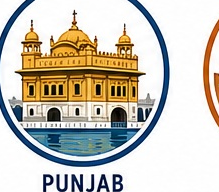
Punjab
See what's happening
Browse topics · 31
Punjab
Basic informationOpen ↗
| Item | Details | |---|---| | Official Name | Punjab | | Common Name | Punjab | | Native Name(s) | ਪੰਜਾਬ (*Pañjāb*, Punjabi); पंजाब (*Pañjāb*, Hindi) | | Nicknames | Land of Five Rivers; Granary of India | | Motto | _Data not readily available for this location._ | | Geographic Level | State | | Country | India | | State/Province | Punjab | | Capital | Chandigarh | | Government Type | Parliamentary representative democratic state within the Republic of India | | Date Founded | 1 November 1966 (present-day Indian state reorganized) | | Time Zone | Indian Standard Time (IST, UTC+5:30) | | Latitude | Approx. 31.0° N | | Longitude | Approx. 75.4° E | | Elevation | Varies; much of the state is low-lying alluvial plain, with foothills in the northeast | | Total Area | 50,362 sq km | | Population | 27,743,338 (2011 Census of India) | | Population Density | About 551 people per sq km (2011) | | ZIP/Postal Codes | Uses Indian PIN codes; ranges vary by district | | Area Codes | Uses Indian STD telephone codes; varies by city and district | | Official Languages | Punjabi (official); Hindi widely used; English used in administration | | Currency | Indian Rupee (INR) | | Demonym | Punjabi |
OverviewOpen ↗
Punjab is a northwestern Indian state with an outsized place in the country’s history, agriculture, religion, and popular culture. Its name, derived from the Persian words for “five waters,” refers to the river system that shaped the region’s fertile plains. Modern Punjab is widely known as the historic heartland of Sikhism, the site of major gurdwaras including the Harmandir Sahib (Golden Temple) in Amritsar, and one of India’s most productive farming regions.
The state matters economically because it played a central role in India’s Green Revolution, helping transform national food security through high-yield wheat and rice cultivation, irrigation, and farm mechanization. Punjab’s reputation as the “Granary of India” reflects this legacy, though the state also faces contemporary challenges including groundwater stress, crop diversification pressures, and changing rural livelihoods.
Culturally, Punjab has influenced India and the global diaspora through music, literature, cuisine, religious traditions, and migration. Punjabi language and culture are deeply visible not only in India but also in communities across the United Kingdom, Canada, the United States, Australia, and East Africa. Bhangra music, Punjabi cinema, and festivals such as Vaisakhi have given the state a global cultural presence.
Punjab is also a border state, sharing an international boundary with Pakistan. That location has shaped its strategic significance, partition history, military presence, and cross-border memory. Today it is a highly urbanizing, agriculturally advanced, and culturally dynamic state balancing heritage, industry, and social change.
HistoryOpen ↗
Punjab’s history stretches back to antiquity. The broader Punjab region formed part of the northwestern corridor of the Indian subcontinent, associated with early settled civilizations in nearby Indus Valley zones and later with Vedic, Persian, Greek, Mauryan, Kushan, and Mughal political influence. Over many centuries, the region’s river plains attracted trade, conquest, migration, and settlement.
The land that is now Punjab has long been inhabited by diverse communities. In historical and ethnographic terms, the wider region included agrarian, pastoral, artisan, trading, and warrior groups. Sikh history is central to understanding the state. Sikhism emerged in the Punjab region in the late 15th century through the teachings of Guru Nanak and developed further under the ten Sikh Gurus. Important religious, political, and military institutions of the Sikh tradition were established in this landscape.
From the 18th to early 19th centuries, Sikh misls (confederacies) rose in power after the weakening of Mughal authority. Maharaja Ranjit Singh unified much of the region and established the Sikh Empire, with Lahore as its capital. After his death, the empire weakened, and the British East India Company annexed Punjab in 1849 following the Anglo-Sikh Wars.
Under British rule, Punjab became an important agricultural and military recruitment region. Canal colonies transformed parts of the wider Punjabi countryside, and railways linked major towns. At the same time, social and religious reform movements, anti-colonial politics, and educational institutions reshaped public life. Punjabis played major roles in the Indian independence movement, in revolutionary activism, and in military service during both World Wars.
The Partition of India in 1947 was the defining rupture in modern Punjabi history. British Punjab was divided between India and Pakistan, leading to one of the largest and most violent forced migrations in modern history. Cities, villages, families, and religious communities were torn apart. Refugee resettlement transformed Indian Punjab’s demography, economy, and urban character.
After independence, the Indian state of Punjab underwent several political and linguistic reorganizations. In 1966, the present-day state of Punjab was created when the former Punjab was divided largely along linguistic lines, with the creation of Haryana and the transfer of certain hill areas to Himachal Pradesh. Chandigarh was made a union territory and serves as the capital of both Punjab and Haryana.
In the 1960s and 1970s, Punjab became a major center of the Green Revolution. Irrigation, electricity, chemical fertilizers, improved seeds, and mechanization dramatically increased farm output. The state became one of India’s leading producers of wheat and rice.
The late 20th century also saw political unrest and militancy, especially in the 1980s. Events including Operation Blue Star in 1984, the assassination of Prime Minister Indira Gandhi, and the anti-Sikh violence that followed left deep scars. By the 1990s, militancy had largely declined, and Punjab moved into a more stable electoral and civic phase, though memory of the period remains significant.
In the 21st century, Punjab has continued to evolve through urbanization, migration, educational expansion, and growing links with its global diaspora. At the same time, it faces structural concerns around farm incomes, environmental sustainability, public health, and employment diversification.
GeographyOpen ↗
Punjab is located in northwestern India. It is bordered by Jammu and Kashmir to the north, Himachal Pradesh to the northeast, Haryana to the south and southeast, Rajasthan to the southwest, and Pakistan’s Punjab province to the west. Much of the state lies in the fertile Indo-Gangetic alluvial plain.
The state’s geography is historically associated with five rivers of the greater Punjab region: Sutlej, Beas, Ravi, Chenab, and Jhelum. In present-day Indian Punjab, the major rivers are the Sutlej, Beas, and Ravi, along with their tributaries and canal systems. These rivers, together with extensive irrigation infrastructure, have made the region one of India’s most agriculturally productive landscapes.
Most of Punjab consists of flat to gently undulating plains with rich alluvial soils. The northeastern edge approaches the Shivalik foothills, where the terrain becomes more broken and elevated. The southwestern parts are generally drier and may include sandy and semi-arid stretches transitional toward Rajasthan.
Natural vegetation has been heavily altered by cultivation, settlement, and canal irrigation. Forest cover is relatively limited compared with more mountainous Indian states, though there are protected forest patches, riverine tracts, and plantation zones. Key natural resources include fertile soil, groundwater, and river water, though intensive extraction has placed increasing pressure on ecological systems.
Geologically, Punjab is part of a vast sedimentary plain formed by river deposition over long periods. Its landscape is defined less by dramatic mountains and more by rivers, floodplains, doabs (land between rivers), and agricultural fields.
TopographyOpen ↗
Punjab’s topography is dominated by low-lying alluvial plains, but it is not completely uniform.
- Highest areas: The northeastern districts near the Shivalik Hills contain the state’s highest elevations. These are foothill rather than high mountain landscapes.
- Lowest areas: Lower-lying tracts are found in the southwestern plains, where the terrain is flatter and drier.
- Major landforms:
- Alluvial plains: The defining landform of Punjab, supporting intensive agriculture.
- Doabs: Distinct interfluvial regions between major rivers, historically important in settlement and agriculture.
- Shivalik foothills: Found in districts such as Pathankot, Hoshiarpur, Rupnagar, and parts of SAS Nagar, with more uneven terrain, seasonal streams, and erosion-prone slopes.
- Floodplains: Present along major rivers, especially the Sutlej, Beas, and Ravi.
- Semi-arid southwestern stretches: Parts of districts like Fazilka, Muktsar, and Bathinda show drier conditions and less naturally water-abundant terrain.
A concise topographic profile:
| Feature | Description | |---|---| | General relief | Mostly flat plains | | Hill zones | Shivalik foothills in the northeast | | River landforms | Floodplains, levees, alluvial tracts | | Plateau/canyon terrain | No major plateau or canyon systems of note at state scale | | Coastal areas | None; Punjab is landlocked |
Because the state is largely flat, even modest variations in slope, drainage, and river proximity have had major effects on farming, settlement, and flood management.
Weather & climateOpen ↗
Punjab has a climate ranging from semi-arid to sub-humid, with very hot summers, a monsoon season, and cool winters. The most commonly cited Köppen classifications across the state include hot semi-arid (BSh) in drier zones and humid subtropical with dry winter tendencies (Cwa/Cfa-adjacent local patterns) in relatively wetter areas; local conditions vary.
Seasonal pattern - Summer (April-June): Hot to very hot. Daytime temperatures often rise above 40°C in many districts. - Monsoon (July-September): Most annual rainfall arrives during the southwest monsoon. - Post-monsoon (October-November): Generally warm to mild, often considered pleasant. - Winter (December-February): Cool, with fog common in many plain districts. Night temperatures can fall to single digits Celsius, and occasional cold waves occur.
Typical climate characteristics - Average summer highs: Often around the mid-30s to low-40s °C depending on location and month. - Average winter highs: Commonly around the upper teens to low-20s °C. - Rainfall: Strongly seasonal; northeastern districts usually receive more rain than southwestern districts. - Snowfall: No significant snowfall in the plains; not a normal feature of state climate. - Humidity: Moderate to high during the monsoon; lower in the pre-monsoon heat.
Weather risks - Heat waves in late spring and early summer - Flooding in riverine or low-lying areas during heavy rains - Dense winter fog affecting road, rail, and air transport - Hail and unseasonal rain that can damage crops - Dust storms and strong winds before or during monsoon transition
Best time to visit For most travelers, October to March is the most comfortable period, especially for city visits, religious tourism, and rural travel. Summer can be harsh, while the monsoon may bring disruption but also greener landscapes.
Climate and weather conditions vary within the state, especially between the Shivalik foothills and the drier southwest.
PopulationOpen ↗
Punjab had a population of 27,743,338 in the 2011 Census of India. It is one of India’s more densely settled agricultural states, though its demographic profile also reflects substantial urbanization, migration, and an influential overseas diaspora.
Demographic profile - Population growth: Growth had slowed compared with earlier decades by 2011, reflecting broader fertility and social changes. - Urban-rural balance: Punjab remains strongly shaped by villages and market towns, but cities such as Ludhiana, Amritsar, Jalandhar, Patiala, Bathinda, and Mohali have grown significantly. - Gender: Like many Indian states, Punjab has long faced concerns over sex ratio imbalance, though some indicators have improved over time. - Age structure: A relatively young population, though aging is becoming more visible in some rural areas due to migration and demographic transition.
Religion and identity Punjab is distinctive in India for having a Sikh plurality/majority at state level, alongside substantial Hindu communities and smaller populations of Muslims, Christians, Jains, and others. Religious identity is strongly intertwined with the state’s history, festivals, architecture, and public life.
Languages - Punjabi is the principal language and the official language of the state. - Hindi is widely understood and used. - English has an important role in administration, business, and higher education.
Education and livelihoods Punjab has relatively high levels of social development by Indian standards, but outcomes vary between districts and communities. Many households are tied directly or indirectly to agriculture, transport, trade, manufacturing, education, defense services, or overseas migration networks.
Income and employment Economic life differs sharply between irrigated farm regions, industrial cities, and service-oriented urban centers. Employment challenges include underemployment, farm dependence, youth job aspirations, and migration abroad.
Diaspora One of Punjab’s defining population characteristics is the importance of its global Punjabi diaspora. Family, remittance, and migration ties connect the state with major communities overseas, influencing housing, education choices, local investment, and cultural life.
For current year district-level population or updated demographic breakdowns, recent official statistical publications should be consulted.
GovernmentOpen ↗
Punjab is governed as a state of India under the Constitution of India. It has a parliamentary system with a ceremonial governor at the state level and an elected chief minister who heads the government.
Administrative structure - Governor: Appointed by the President of India as the constitutional head of the state. - Chief Minister: Head of the elected government and executive authority in day-to-day administration. - Council of Ministers: Assists the chief minister in governing departments such as agriculture, education, finance, health, transport, and rural development. - Legislature: Punjab has a unicameral legislature, the Punjab Legislative Assembly. - Judiciary: The Punjab and Haryana High Court, located in Chandigarh, serves both Punjab and Haryana.
Capital arrangement - Chandigarh serves as the capital of Punjab. - Chandigarh is a Union Territory and also serves as the capital of neighboring Haryana.
Local administration Punjab is divided into districts, each administered through state and district-level officials. Below that are subdivisions, tehsils, blocks, municipalities, municipal corporations, and gram panchayats in rural areas.
Political representation Punjab elects representatives to: - The Punjab Legislative Assembly - The Lok Sabha (lower house of India’s Parliament) - The Rajya Sabha (upper house of Parliament)
State politics have historically been shaped by national parties and regional Sikh/Punjabi political movements, especially around federalism, agriculture, language, religion, and rural interests.
Public services The state government is responsible for major public services including: - School education - State roads and transport systems - Agricultural support and procurement systems - Public hospitals and health programs - Electricity distribution through state agencies and regulated utilities - Water supply, irrigation, and rural development - Police and law and order
Because officeholders change with elections and reshuffles, specific current names should be verified from the Government of Punjab or Election Commission sources.
EconomyOpen ↗
Punjab has one of India’s historically strongest agrarian economies, though its economic structure today includes manufacturing, trade, transport, services, healthcare, education, and construction. The state is especially known for its contribution to India’s food grain production through wheat and rice procurement.
Economic character - Strong legacy of irrigated agriculture - High degree of farm mechanization - Important small and medium manufacturing base - Extensive trade and transport networks - Significant diaspora-linked investment and remittance influence in some areas
Major economic strengths - Fertile alluvial soils and long-developed canal/tube-well irrigation - Strong agricultural market linkages and procurement infrastructure - Entrepreneurial manufacturing clusters, especially in cities such as Ludhiana and Jalandhar - Strategic location near northern markets and the India-Pakistan border - Large pool of skilled and semi-skilled labor in sectors such as machine tools, textiles, sports goods, and food processing
Major employers and sectors Important employers include state government departments, educational institutions, healthcare providers, agricultural supply chains, manufacturing firms, transport operators, retail trade, and security/defense establishments. Punjab’s economy is not dominated by a single metropolitan corporate center in the way some Indian states are; rather, it is spread across several urban-industrial and agro-commercial nodes.
Challenges - Slowing agricultural productivity growth in traditional crop systems - Groundwater depletion in many central districts - Need for crop diversification beyond wheat-paddy cycles - Youth unemployment and outmigration - Pollution, stubble-burning related air quality concerns, and industrial compliance issues - Competition from other Indian manufacturing regions
Income and cost of living Costs of living vary by city. Chandigarh-adjacent areas and premium urban neighborhoods can be relatively expensive, while smaller towns and rural areas are often more affordable. Household income levels vary significantly by district, landholding, education, and overseas family connections.
Future development directions Commonly discussed growth areas include: - Agro-processing and food value addition - Logistics and warehousing - Light engineering and advanced manufacturing upgrades - Healthcare and education services - Renewable energy, especially solar - Information technology and service-sector growth around Mohali and the Chandigarh region
Gross state product and current income estimates change annually; official economic survey documents are the best source for up-to-date figures.
IndustriesOpen ↗
- Agriculture and food procurement — The backbone of Punjab’s economy, centered on wheat and rice cultivation, grain markets, storage, and public procurement systems.
- Food processing — Includes flour milling, rice milling, dairy processing, edible products, and packaged foods linked to the state’s farm output.
- Textiles and garments — Ludhiana is especially known for hosiery, knitwear, woolens, and textile-based manufacturing.
- Bicycle and auto components — Punjab, particularly Ludhiana, has long-standing industrial strengths in cycles, parts, machine tools, and related engineering.
- Sports goods — Jalandhar is internationally known for the production of sports equipment used in cricket, hockey, football, and other games.
- Leather and footwear — Present in selected urban clusters, often serving domestic and export markets.
- Light engineering and machinery — Industrial units manufacture agricultural equipment, hand tools, machine parts, and fabrication products.
- Healthcare — Public and private hospitals, clinics, diagnostics, and medical education make healthcare a major urban employment sector.
- Education services — Universities, colleges, coaching institutions, and vocational training centers form an important service economy.
- Retail and wholesale trade — Strong market-town systems connect villages, cities, farms, transporters, and consumers.
- Transport and logistics — Trucking, warehousing, grain movement, and interstate goods transport are significant due to the state’s agricultural and industrial output.
- Construction and real estate — Urban expansion, road building, institutional projects, and housing development support large numbers of workers.
- Tourism and hospitality — Religious tourism, heritage visits, and domestic leisure travel contribute to local economies, especially in Amritsar and Anandpur Sahib.
- Information technology and business services — More limited than in major IT states, but growing around Mohali and the Chandigarh periphery.
- Renewable energy and power equipment — An emerging area tied to energy transition, solar deployment, and industrial modernization.
AgricultureOpen ↗
Agriculture is central to Punjab’s identity and economy. The state is one of India’s best-known agricultural regions and was a principal engine of the Green Revolution.
Main crops - Wheat — A flagship rabi crop and one of Punjab’s most important contributions to India’s food system. - Rice (paddy) — A major kharif crop, though its water intensity has raised sustainability concerns. - Maize — Grown in some areas, especially as part of diversification efforts. - Cotton — Important in parts of southwestern Punjab. - Sugarcane — Cultivated in selected belts. - Mustard and oilseeds — Grown on a smaller scale compared with cereals. - Pulses — Present but less dominant than in some other Indian states. - Potatoes, vegetables, and fodder crops — Important in mixed farming systems and commercial belts. - Fruits — Includes kinnow (mandarin-type citrus), guava, and other horticultural produce in suitable regions.
Farming systems Punjab is known for: - High levels of mechanization - Extensive use of tube wells and canals - Strong linkages to mandis and procurement systems - Large use of fertilizers and improved seed varieties
Livestock and dairying - Dairy farming is important across the state and forms a major supplementary income source. - Cattle and buffalo are widely reared. - Poultry and small livestock are present in varying degrees.
Fisheries and forestry - Inland fisheries exist in ponds, canals, and reservoirs, but fisheries are not as economically dominant as crop farming. - Forestry is limited compared with heavily forested states; farm forestry and plantation efforts are more relevant than large natural forest industries.
Key issues - Groundwater depletion, especially under rice cultivation - Stubble management and crop residue burning - Soil health concerns - Pressure to diversify toward pulses, oilseeds, horticulture, and less water-intensive crops - Farm income volatility and dependence on procurement systems
Organic and alternative farming Organic farming exists but remains a relatively small share of total production. Natural farming, diversified horticulture, and value-added agriculture have gained policy and farmer interest in some districts.
HousingOpen ↗
Punjab’s housing landscape ranges from dense older urban neighborhoods to expanding suburban colonies, village homes, farm-linked properties, and diaspora-funded houses in small towns and rural areas.
General market pattern - Major cities such as Ludhiana, Amritsar, Jalandhar, Patiala, and Mohali have the most active formal real-estate markets. - Mohali and the Chandigarh periphery tend to have some of the strongest demand due to proximity to Chandigarh, employment centers, and planned urban development. - Smaller cities and towns often provide comparatively more affordable plots and homes. - Rural housing remains a major part of the state’s residential pattern, including village houses and agriculturally linked family compounds.
Housing types - Apartments in larger cities - Independent houses in urban colonies - Plotted residential developments - Traditional village homes - Farmhouses and peri-urban residences in some areas - Condominiums and gated projects, especially around Mohali and select urban corridors
Affordability and pressures Housing affordability varies sharply by city, location, and property type. Premium sectors near Chandigarh and established urban commercial centers can be expensive relative to local incomes, while many secondary towns remain less costly. Informal or lower-income housing needs continue to exist, especially for migrant labor and economically vulnerable households.
Social characteristics In some parts of Punjab, overseas migration has influenced residential construction patterns, with large owner-built homes reflecting remittance income or family status. At the same time, not all such properties are continuously occupied.
Rental market Rental demand is strongest in: - University and college towns - Industrial centers - Government and service hubs - Chandigarh-adjacent areas
Current average home prices and rents vary widely by district and neighborhood. For precise figures, local property registries and active market listings are more reliable than state-level generalization.
NeighborhoodsOpen ↗
Because Punjab is a state, the most useful approach is to describe its major cities and regional urban centers rather than neighborhoods alone.
- Amritsar — The state’s best-known pilgrimage and heritage city, home to the Golden Temple, Jallianwala Bagh, and a major tourism economy.
- Ludhiana — Punjab’s largest industrial city, known for textiles, bicycle manufacturing, machine parts, and commerce.
- Jalandhar — A major urban center with strengths in sports goods, education, media, and trade.
- Patiala — Known for princely heritage, educational institutions, military presence, and cultural identity.
- Bathinda — An important city in southwestern Punjab with energy, education, transport, and regional market functions.
- Mohali (SAS Nagar) — Part of the Chandigarh urban region; associated with planned development, IT/business services, education, and residential growth.
- Chandigarh-adjacent Punjab region — Though Chandigarh is a Union Territory, nearby Punjab areas are closely integrated into its economic and residential life.
- Pathankot — A strategic gateway city linking Punjab with Jammu and Kashmir and Himachal Pradesh.
- Hoshiarpur — Known for a mix of urban services, nearby foothill geography, and migration-linked social ties.
- Moga — An important agricultural and market district in central Punjab.
- Firozpur — A border district city with military, railway, and regional trading significance.
- Abohar-Fazilka belt — Southwestern urban-agricultural zone known for cotton, kinnow, and borderland geography.
- Rupnagar (Ropar) and Anandpur Sahib region — Historically and religiously significant, with access to foothill landscapes and the Sutlej system.
Broad regional character - Majha — Includes Amritsar and Gurdaspur areas; historically significant, border-facing, and central to Sikh heritage. - Doaba — Between the Beas and Sutlej; known for migration, education, and dense settlement, including Jalandhar and Hoshiarpur. - Malwa — The largest region by area, covering much of central and southern Punjab, with major agricultural and political importance.
TransportationOpen ↗
Punjab has a well-developed transportation network by Indian state standards, reflecting its agricultural economy, dense settlement pattern, and strategic border location.
Roads and highways - Extensive road connectivity links villages, mandis, district headquarters, and major cities. - National Highways connect Punjab to Delhi, Jammu, Rajasthan, Himachal Pradesh, Haryana, and other northern markets. - Key intercity corridors support grain transport, industrial logistics, and passenger travel.
Public transport - State-run and private bus networks are the backbone of intercity and rural passenger mobility. - Major cities also have local bus services, auto-rickshaws, taxis, and app-based ride services where available. - Punjab does not have a large metro system across the state; mobility is primarily road- and rail-based.
Railways - Punjab is well connected by Indian Railways. - Major junctions include Amritsar, Ludhiana, Jalandhar, Pathankot, Bathinda, Firozpur, and Patiala-linked corridors. - Rail is important for passengers, military logistics, and freight, especially agricultural and industrial movement.
Airports Major airports serving Punjab include: - Sri Guru Ram Dass Jee International Airport, Amritsar - Chandigarh Airport (serves the broader capital region, though Chandigarh is a Union Territory) - Ludhiana Airport (limited service profile compared with larger hubs) - Bathinda Airport has limited civilian relevance compared with the main commercial airports
Border and freight movement Punjab’s border position gives it strategic significance. The Attari-Wagah crossing near Amritsar is internationally known for ceremonial and historical reasons and has also had trade-related importance, subject to changing bilateral relations.
Non-motorized and urban mobility - Walking remains common in bazaars, smaller towns, and villages. - Bicycle use has historic importance, especially in smaller urban areas and among workers, though motorcycles and cars have expanded greatly. - Dedicated bicycle infrastructure exists in limited and uneven form.
EV charging and rideshare Electric vehicle infrastructure is developing, especially around larger cities and highway corridors, but coverage remains uneven. App-based taxi and rideshare services are most common in larger urban centers.
Water transport and ports Punjab is landlocked and has no seaport. Inland water transport is not a major passenger mode in the state.
InfrastructureOpen ↗
Punjab’s infrastructure is relatively advanced in many respects, especially in road access, village electrification history, irrigation networks, and market connectivity, though quality and sustainability vary by district and service type.
Electricity - The state has long had broad electricity access, including major supply to agriculture. - Power demand is heavily shaped by irrigation pumping, industry, urban growth, and summer cooling. - Reliability has improved in many areas over time, though outages and supply-quality issues can still occur.
Water - Punjab depends on a combination of canal irrigation and groundwater extraction. - Drinking water systems exist in urban and rural areas, but water quality and groundwater sustainability are major concerns in some districts. - Over-extraction of groundwater is one of the state’s best-known environmental infrastructure challenges.
Sewerage and sanitation - Larger cities have sewerage systems, though coverage and treatment capacity vary. - Smaller towns and villages may rely on mixed systems, including septic arrangements and partial network coverage. - Sanitation access has generally improved, but wastewater treatment and drainage remain uneven.
Internet and broadband - Mobile internet is widespread, and urban households commonly have access to 4G and broadband options. - Fiber and high-speed broadband are most available in larger cities such as Mohali, Ludhiana, Amritsar, and Jalandhar. - Rural connectivity exists but can vary in speed, reliability, and affordability.
Cellular service Punjab has broad cellular coverage through India’s major telecom providers. Service is generally good in cities and towns, with weaker performance possible in some rural pockets or during network congestion.
Irrigation and agricultural infrastructure A defining part of Punjab’s infrastructure is its agricultural support system: - Canal networks - Tube wells and pump sets - Grain mandis - Storage and procurement facilities - Rural roads connecting farms to markets
Civic infrastructure issues Key long-term infrastructure concerns include: - Groundwater depletion - Urban drainage stress - Waste management in growing cities - Air pollution linked partly to seasonal crop residue burning - The need to modernize public transport, wastewater treatment, and digital access in smaller settlements
EducationOpen ↗
Punjab has a substantial educational network that includes major public universities, private universities, medical and technical institutions, colleges, schools, and libraries. Chandigarh also plays an important regional educational role for Punjab residents.
Major universities and higher education institutions - Panjab University, Chandigarh — One of northern India’s leading universities; though located in Chandigarh, it is deeply connected to Punjab’s academic life. - Punjab Agricultural University, Ludhiana — A major institution in agricultural science, extension work, and Green Revolution research. - Guru Nanak Dev University, Amritsar — A prominent public university with broad programs in arts, sciences, and professional fields. - Punjabi University, Patiala — Known for language, humanities, sciences, and cultural scholarship, especially related to Punjabi studies. - Dr. B. R. Ambedkar National Institute of Technology Jalandhar — A nationally important technical institute. - Lovely Professional University, Phagwara — A large private university with a wide range of programs. - Thapar Institute of Engineering and Technology, Patiala — A respected engineering and research institution. - Baba Farid University of Health Sciences, Faridkot — A key institution for medical and health sciences education.
Schools and vocational education Punjab has extensive government and private school networks, including senior secondary schools in nearly all towns and many villages. It also has industrial training institutes (ITIs), polytechnics, teacher-training colleges, and nursing institutions supporting vocational and professional pathways.
Libraries and knowledge institutions - University libraries in Ludhiana, Amritsar, Patiala, Jalandhar, and Chandigarh are important academic resources. - Public libraries exist in major cities and district headquarters, though service levels vary.
Educational profile The state has comparatively strong educational aspirations, with high demand for professional education, English-medium schooling, and overseas-study preparation. At the same time, quality varies by geography, income, and school type, and there are ongoing concerns around rural-urban disparities, public-school resources, and graduate employment outcomes.
Local organizationsOpen ↗
Local Organizations
Punjab has a dense network of civic, religious, agricultural, educational, and business organizations. Many operate at the district or city level rather than as one single state-wide body.
Common types of organizations in Punjab - Municipal corporations and councils in cities such as Ludhiana, Amritsar, Jalandhar, Patiala, and Bathinda support sanitation, local development, parks, and public services. - District administrations and panchayati raj institutions play a major role in rural community life. - Punjab NGOs Network and local voluntary groups work on education, health, women’s empowerment, disability inclusion, and rural livelihoods. - Farmer organizations and unions are especially influential in Punjab’s public life due to the state’s agricultural economy. - Religious charitable bodies linked to gurdwaras, temples, mosques, churches, and deras often provide food distribution, schooling, health camps, and disaster relief. - Rotary and Lions clubs are active in major cities and commonly support blood donation drives, eye camps, scholarships, and local service projects. - Chambers of commerce and trade associations represent textile, bicycle, sports goods, machine tools, agro-processing, and other sectors.
Notable examples - PHD Chamber of Commerce and Industry (Punjab-linked regional presence) — business advocacy, policy dialog, and industry events. - Confederation of Indian Industry (CII) North Region — industrial policy, training, manufacturing, sustainability, and exports. - FICCI regional engagement in North India — business networking and policy forums. - Punjab Agricultural University extension network — not a nonprofit in the classic sense, but a major community-facing institution providing farm outreach, training, and research dissemination. - Khalsa Aid — while international in scope, it is strongly associated with Sikh humanitarian traditions and is widely known in Punjab. - SGPC-linked institutions — the Shiromani Gurdwara Parbandhak Committee manages major Sikh gurdwaras and supports educational, religious, and charitable work. - Local Red Cross branches — district-level humanitarian and health-support work. - Urban resident welfare associations — common in Chandigarh-adjacent and larger urban areas, addressing neighborhood services and civic issues.
Community life in practice - Langar and seva traditions are central to volunteer culture in Punjab. - Sports clubs often focus on kabaddi, hockey, wrestling, cricket, and athletics. - Youth clubs and NSS/NCC units contribute to social campaigns, blood drives, cleanliness programs, and disaster response. - Women’s self-help groups and cooperatives are present in many rural and peri-urban areas.
Where to look locally For district-specific organizations, residents usually consult: - Deputy Commissioner office websites - Municipal corporation websites - District Red Cross societies - Gurdwara management bodies - Local chambers of commerce - University outreach departments - District-level NGO directories
Some local nonprofit directories are fragmented, so district-by-district verification is often necessary.
Education statisticsOpen ↗
Education Statistics
Punjab has historically ranked among India’s more educationally developed states, with a broad school network, major universities, and a strong legacy in agricultural, medical, engineering, and professional education.
Literacy and schooling - According to the 2011 Census of India, Punjab’s literacy rate was approximately 75.8%. - Male literacy was higher than female literacy, though the gap has narrowed over time through expanded schooling and public programs. - The state has a large network of government, aided, and private schools affiliated with PSEB, CBSE, and ICSE boards.
Higher education landscape Punjab is home to several prominent institutions, including: - Panjab University, Chandigarh — one of India’s historic public universities; although located in Chandigarh, it serves students from Punjab extensively. - Punjab Agricultural University, Ludhiana — widely respected for agricultural research and extension; important in the Green Revolution. - Guru Nanak Dev University, Amritsar — major public university. - Punjabi University, Patiala — known particularly for Punjabi language, humanities, and research. - Lovely Professional University, Phagwara — a large private university with national and international student enrollment. - Dr. B. R. Ambedkar National Institute of Technology Jalandhar — a nationally significant engineering institution. - AIIMS Bathinda — important for advanced medical education and healthcare.
School outcomes - Punjab generally performs in the middle-to-upper range among Indian states on many school-access indicators, though performance varies by district, school type, and subject area. - Public reporting on graduation rates, dropout rates, and district-level learning outcomes changes year to year and should be checked through official state education reports and national surveys such as UDISE+ and NAS.
Rankings and reputation - Punjab Agricultural University is widely recognized nationally in agricultural sciences. - Panjab University often appears in Indian university rankings and has an established research reputation. - Lovely Professional University appears in some national and international ranking systems, though ranking positions vary by methodology. - NIT Jalandhar is recognized within India’s National Institutes of Technology system.
Education profile summary | Indicator | Notes | |---|---| | Literacy rate | About 75.8% (Census 2011) | | School boards | PSEB, CBSE, ICSE | | Major public universities | GNDU, PAU, Punjabi University, Panjab University-linked ecosystem | | Specialized strengths | Agriculture, engineering, medicine, language studies, sports | | Key issues | Urban-rural disparity, public-private divide, employability, digital access |
Context Punjab’s education sector benefits from: - relatively dense settlement patterns in many districts - a strong migration culture that increases interest in English-medium and professional education - major state investment in schooling and higher education
At the same time, persistent concerns include: - uneven school quality - teacher vacancies in some areas - pressure on public institutions - matching graduate skills to employment opportunities
For the latest verified numbers, official state education department data and Government of India datasets are the best reference points.
Public utilitiesOpen ↗
Public Utilities
Punjab’s utilities are delivered through a mix of state agencies, local governments, and public-sector providers.
Electricity - Punjab State Power Corporation Limited (PSPCL) is the main electricity distribution company serving Punjab. - Punjab has high electricity demand from: - households - agriculture, especially tube-well irrigation - industry in cities such as Ludhiana, Jalandhar, Mandi Gobindgarh, and Amritsar - Power supply reliability is generally better in major urban centers than in some rural or peak-demand settings, though conditions vary.
Transmission - Punjab State Transmission Corporation Limited (PSTCL) manages the transmission network.
Water supply - Urban water supply is generally managed by municipal corporations, municipal councils, and local bodies. - Rural drinking water systems are overseen through the Department of Water Supply and Sanitation, Punjab. - Groundwater is a critical source across much of the state, though over-extraction is a long-running concern in many districts.
Sewerage and sanitation - Sewerage services are largely the responsibility of urban local bodies. - Rural sanitation has improved significantly under national and state sanitation programs, though quality of wastewater treatment remains uneven.
Solid waste management - Municipal bodies manage household waste collection, transport, and disposal. - Larger cities have formal waste systems, but segregation, landfill pressure, and processing capacity remain ongoing challenges. - Recycling often includes both formal municipal channels and informal scrap networks.
Natural gas and fuels - Piped natural gas coverage exists in parts of urban Punjab through city gas distribution networks, but coverage is not uniform across the state. - LPG remains a major household cooking fuel, alongside electricity and other energy sources.
Telecommunications - Punjab has wide mobile and internet coverage through India’s major telecom operators. - Service quality varies by district and by urban-rural location.
Utility overview table | Service | Main provider type | |---|---| | Electricity distribution | PSPCL | | Power transmission | PSTCL | | Urban water | Municipal corporations/councils | | Rural water | Department of Water Supply and Sanitation | | Sewerage | Urban local bodies | | Solid waste | Municipal bodies | | Cooking gas | LPG distributors; some city gas networks | | Telecom | National private and public telecom operators |
Practical notes for residents and businesses - Check district or city websites for local water, sewerage, and waste contacts. - Electricity billing and outage information is primarily handled through PSPCL. - Industrial users should verify feeder reliability, sanctioned load, and local infrastructure before site selection. - In rural areas, groundwater availability and quality should be checked carefully for agricultural and residential use.
SafetyOpen ↗
Safety
Punjab is often seen as one of India’s more orderly and accessible states for domestic travel, but safety conditions still vary by city, district, road corridor, and situation.
General safety overview - Major cities such as Amritsar, Ludhiana, Jalandhar, Patiala, and Bathinda receive large numbers of visitors and are generally navigable with normal precautions. - Common concerns are more often related to: - road safety - traffic congestion - petty theft in crowded areas - fraud or overcharging in some travel situations - seasonal air pollution and heat stress - Border areas near Pakistan are sensitive from a security standpoint and may have restricted access in some zones.
Emergency numbers in India - 112 — national emergency response support - 100 — police (legacy emergency number still widely recognized) - 101 — fire - 108 — ambulance/emergency medical response in many areas
Policing and law enforcement - Punjab Police is the principal state police force. - Commissionerate systems operate in major urban areas, while district police handle other jurisdictions. - Security presence is often stronger around key religious sites, transportation hubs, and border-sensitive areas.
Crime overview - As in many regions, crime patterns vary by district. - Reported issues may include: - theft and snatching in urban settings - cyber fraud - narcotics-related crime in some areas - land/property disputes - road accidents - Violent crime risk for ordinary visitors is generally not the first concern; transport and situational awareness are usually more relevant.
Safety tips for visitors - Keep ID and important contacts available. - Use trusted transport, especially late at night. - Be careful with valuables at railway stations, bus stands, bazaars, and festivals. - Follow local advice near the international border. - Dress respectfully at religious sites and follow security screening rules. - During summer, avoid dehydration and extreme midday heat. - During winter, check for fog-related travel delays and road hazards.
Women travelers - Women travel widely in Punjab, including for study, work, and pilgrimage. - Standard precautions are advisable, especially at night or when using unfamiliar transport. - Larger cities offer better app-based transport and support services than some smaller towns.
Road safety - Road safety is a major practical issue. - Risks can include: - speeding - mixed traffic with tractors, motorcycles, buses, and trucks - reduced visibility during winter fog - rural road hazards after dark
Health and environmental safety - Air quality can worsen seasonally due to regional agricultural residue burning and winter inversion conditions. - Drinking water quality varies by locality; filtered or reliably supplied water is recommended for visitors.
Bottom line Punjab is broadly manageable for residents and visitors who use ordinary urban and road-safety precautions, respect religious norms, and stay alert in busy public spaces.
EnvironmentOpen ↗
Environment
Punjab’s environment is defined by its fertile plains, intensive agriculture, river systems, groundwater dependence, and growing pressure from urbanization and industry.
Physical setting - Punjab lies in the northwestern Indo-Gangetic plain. - The state’s name is historically linked to the “land of five rivers.” - Major rivers associated with the region include the Sutlej, Beas, and Ravi within present-day Indian Punjab’s geography.
Air quality - Air quality can range from moderate to poor, especially in: - winter - periods of crop-residue burning in the wider region - industrial belts - major traffic corridors - Cities such as Ludhiana, Amritsar, and Jalandhar may experience episodic pollution spikes.
Water resources and quality - Punjab depends heavily on: - canals - rivers - groundwater aquifers - A major environmental concern is groundwater depletion, especially in areas of water-intensive agriculture. - Water quality concerns in some areas may include: - agricultural runoff - industrial effluents - sewage contamination
Agriculture and sustainability Punjab is central to India’s agricultural system, especially wheat and rice production. This success has also created environmental stress: - declining groundwater in many blocks - soil nutrient imbalance from intensive cropping - residue management challenges - pressure from fertilizer and pesticide use
Forests, wetlands, and protected areas Punjab is not one of India’s most forested states, but it does contain important ecological areas.
#### Notable protected and natural areas - Harike Wetland / Harike Wildlife Sanctuary — a major wetland and bird habitat. - Ropar Wetland (Rupnagar Wetland) — an important wetland ecosystem. - Kanjli Wetland — another Ramsar-linked wetland site in Punjab. - Abohar Wildlife Sanctuary — known for blackbuck conservation in a human-dominated landscape.
Recycling and waste - Urban local bodies manage waste, but segregation at source and scientific disposal remain uneven. - Informal recycling networks are active in many towns and cities. - Plastic waste, drainage clogging, and landfill pressure are recurring issues.
Climate - Punjab has a hot semi-arid to sub-humid climate depending on location. - Summers are very hot. - Monsoon brings most annual rainfall. - Winters can be cool to cold, especially with fog.
Environmental priorities for the future - groundwater recharge and crop diversification - cleaner industry and wastewater treatment - stubble management solutions - urban green space protection - wetland conservation - improved public transport and cleaner fuels
Overall assessment Punjab’s natural wealth remains significant, but its environmental future depends heavily on how it manages water, farming intensity, waste, and air pollution over the next generation.
Future developmentOpen ↗
Future Development
Punjab’s future development agenda is shaped by the need to modernize agriculture, strengthen manufacturing, improve logistics, and expand skills and technology-led employment.
Major development themes - Agricultural diversification beyond the wheat-rice cycle - Water conservation and irrigation efficiency - Industrial modernization in textiles, bicycles, machine tools, sports goods, food processing, and light engineering - Logistics and connectivity improvements through highways, rail, and freight links - Urban infrastructure upgrades in large and mid-sized cities - Border trade potential, subject to national policy and geopolitical conditions
Infrastructure directions - Expansion and upgrading of roads and highways connecting Amritsar, Ludhiana, Jalandhar, Patiala, Bathinda, and other centers. - Continued investment in rail modernization and station upgrades through Indian Railways. - Growth in airport-linked connectivity, especially around Amritsar and other regional facilities. - Urban works related to drainage, sewage treatment, water supply, and solid waste systems.
Economic priorities - Attracting investment in: - agro-processing - warehousing and cold chains - education and health services - renewable energy - IT and business services in selected urban centers - Supporting MSMEs, which are central to Punjab’s industrial economy. - Encouraging export-oriented manufacturing in sectors with established clusters.
Agriculture transition Policy discussions in Punjab frequently focus on: - crop diversification toward maize, pulses, oilseeds, horticulture, and other less water-intensive options - better procurement and market support for alternative crops - mechanized residue management - dairy and allied sectors
Urban future Major cities are likely to keep focusing on: - traffic management - cleaner public spaces - digital municipal services - improved public lighting - water and wastewater systems - public health infrastructure
Education and skills - Expansion of technical education, nursing, medical training, and employability programs remains important. - Private universities and professional institutes are likely to keep shaping the state’s youth and migration pathways.
Constraints Punjab’s development ambitions are affected by: - groundwater stress - fiscal pressure - migration of youth abroad and to other Indian metros - competition from other industrial states - balancing farm income with environmental reform
Outlook Punjab has strong human capital, a strategic border location, and a global diaspora connection. Its medium-term success will depend on whether it can convert these strengths into a more diversified, water-resilient, and innovation-driven economy.
DemographicsOpen ↗
Demographics
Punjab’s demographic profile reflects a predominantly Punjabi-speaking population, a Sikh majority, significant Hindu communities, and strong urban-rural linkages. The state also has a large global diaspora.
| Category | Overview | |---|---| | Population | About 27.7 million (Census 2011); higher in current estimates | | Urbanization | Significant urban population, but large rural base remains important | | Main language | Punjabi is the principal language | | Other languages | Hindi and English widely understood; Urdu present in some contexts | | Religion | Sikh majority; substantial Hindu minority; smaller Muslim, Christian, Jain, and other communities | | Migration | Strong outward migration to Canada, UK, USA, Australia, Italy, and the Gulf; also internal migration into Punjab for labor |
Ethnic and cultural composition - The population is largely Punjabi in cultural and linguistic identity. - Scheduled Castes form a significant share of the population and Punjab has one of the highest SC proportions among Indian states. - There are also migrant communities from other Indian states, especially in industrial and agricultural labor sectors.
Religion Using the 2011 Census as the common reference: - Sikhs form the majority in Punjab. - Hindus form the largest minority. - Muslims, Christians, Jains, Buddhists, and others make up smaller shares.
Age profile _Data not readily available for this location._
Language distribution - Punjabi is the dominant language of everyday life and identity. - Hindi is widely used in media, commerce, and inter-state communication. - English is important in higher education, administration, and business.
Demographic notes - Punjab’s sex ratio and child sex ratio have been the subject of policy concern and improvement efforts. - Many households have close ties to relatives abroad. - Urban centers such as Ludhiana, Amritsar, Jalandhar, and Patiala are socioeconomically diverse and attract migrants from within and beyond the state.
Interesting factsOpen ↗
Interesting Facts
- Punjab’s name is traditionally associated with the land of five rivers.
- The modern Indian state of Punjab was reshaped after the 1966 reorganization, when Haryana was created and Chandigarh became a union territory serving as capital for both.
- Chandigarh is the capital of Punjab, though it is not part of Punjab state administratively.
- Punjab played a central role in India’s Green Revolution.
- The state is one of India’s most important producers of wheat and rice.
- Amritsar is home to the Harmandir Sahib (Golden Temple), among the most important sites in Sikhism.
- Punjab has a globally influential diaspora, especially in Canada, the United Kingdom, the United States, Australia, and Italy.
- Punjabi is the dominant language and one of the most vibrant literary and musical languages in South Asia.
- The state is well known for bhangra and giddha, energetic forms of music and dance.
- Punjab has a strong sporting culture, especially in kabaddi, hockey, wrestling, and athletics.
- Punjab Agricultural University in Ludhiana is one of India’s most important agricultural institutions.
- The state has a major industrial presence in textiles, bicycles, sports goods, machine tools, and agro-processing.
- Ludhiana is one of northern India’s key industrial cities.
- Jalandhar is internationally known for its sports goods manufacturing.
- Mandi Gobindgarh has long been associated with steel and secondary metal industries.
- Punjab’s food culture is famous for dishes such as sarson da saag, makki di roti, lassi, and tandoori traditions.
- The institution of langar, community kitchen open to all, is one of Punjab’s most admired social traditions.
- Punjab shares an international border with Pakistan.
- The state contains important wetlands including Harike, Kanjli, and Ropar.
- Punjabi popular music has had an outsized influence on Indian and global diaspora culture.
FAQOpen ↗
FAQ
Q: Where is Punjab located? A: Punjab is a state in northwestern India, bordering Pakistan and several Indian states and union territories.
Q: What is the capital of Punjab? A: The capital is Chandigarh, which also serves as the capital of Haryana and is a separate union territory.
Q: Is Chandigarh part of Punjab state? A: No. Chandigarh is the capital of Punjab but is administered separately as a union territory.
Q: What language is spoken in Punjab? A: Punjabi is the main language. Hindi and English are also widely used.
Q: What religion is most common in Punjab? A: Sikhism is the majority religion in Punjab, with Hinduism forming the largest minority.
Q: What is Punjab famous for? A: Punjab is known for agriculture, Sikh heritage, the Golden Temple, Punjabi music and dance, diaspora culture, and distinctive food.
Q: What are the biggest cities in Punjab? A: Major cities include Ludhiana, Amritsar, Jalandhar, Patiala, Bathinda, and Mohali.
Q: Is Punjab mainly rural or urban? A: Punjab has both strong urban centers and an extensive rural population shaped by agriculture.
Q: What crops are most important in Punjab? A: Wheat and rice are especially important, along with cotton, maize, sugarcane, and horticultural crops in some areas.
Q: Why is Punjab important in Indian agriculture? A: Punjab was central to the Green Revolution and remains a major contributor to India’s food grain system.
Q: What is the climate like in Punjab? A: Summers are hot, monsoon brings most rainfall, and winters are cool to cold with possible fog.
Q: Is Punjab safe for tourists? A: Generally yes, with normal precautions regarding traffic, crowded areas, and local travel advice.
Q: What is the emergency number in Punjab? A: The all-India emergency number is 112.
Q: What are the top tourist places in Punjab? A: Popular destinations include Amritsar, Anandpur Sahib, Patiala, Chandigarh, wetland sites, and major historic gurdwaras.
Q: Does Punjab have airports? A: Yes. Sri Guru Ram Dass Jee International Airport in Amritsar is the best-known, with other regional air connections also serving the state.
Q: What industries are important in Punjab? A: Textiles, bicycles, sports goods, machine tools, steel re-rolling, food processing, and education services are important sectors.
Q: Why do so many Punjabis live abroad? A: Punjab has a long history of migration for work, education, trade, and family settlement overseas.
Q: What are some environmental issues in Punjab? A: Groundwater depletion, air pollution, stubble burning, industrial pollution, and waste management are major concerns.
Q: What is Punjab’s cultural identity like? A: It is known for strong community traditions, music, dance, hospitality, religious institutions, and agricultural heritage.
Q: Is Punjab only associated with Sikh history? A: Sikh history is central, but Punjab also has layered Hindu, Muslim, colonial, agricultural, and modern industrial histories.
ImagesOpen ↗
Punjab skyline Ludhiana cityscape Punjab Amritsar Golden Temple at sunrise Punjab Jalandhar city center streets Punjab Patiala heritage buildings and Qila Mubarak Punjab Harike Wetland birds and water landscape Punjab mustard fields rural countryside Punjab Punjab Agricultural University campus Ludhiana Punjab traditional food thali lassi makki di roti sarson da saag Punjab Baisakhi festival celebrations Punjab aerial view of Chandigarh Capitol Complex and surrounding region
VideosOpen ↗
Punjab travel guide documentary Amritsar Golden Temple walking tour Ludhiana city drone footage Punjab village life documentary Punjab history documentary partition and post-independence Baisakhi festival Punjab video Punjab food tour street food and dhabas Jalandhar sports goods industry documentary Patiala heritage walk video Punjab wetland birding and nature documentary
MapsOpen ↗
Punjab India political map Punjab district map Punjab terrain map Punjab satellite view Punjab road map Punjab railway map Punjab irrigation canals map Punjab wetlands map Punjab border areas map Punjab public transport city maps
Social Pulse communityOpen ↗
Social Pulse Community
Punjab offers many ways to build useful online and on-the-ground community connections.
Community group ideas - District community hubs for Amritsar, Ludhiana, Jalandhar, Patiala, Bathinda, Mohali, Hoshiarpur, Gurdaspur, and Ferozepur - Village and pind heritage groups for family history, oral histories, and migration stories - Punjabi language and literature circles - Sikh heritage and interfaith dialog groups - Student and study-abroad preparation communities - Farmer support and crop diversification discussion groups - Women’s entrepreneurship and self-help networks - Youth sports communities for kabaddi, hockey, cricket, wrestling, and athletics - Senior citizens and diaspora family connection groups
Volunteer opportunities - Langar service at local gurdwaras - Blood donation drives - Government school support and tutoring - Wetland and neighborhood clean-up campaigns - Food distribution and winter relief - Rural health camps - Animal welfare and stray care groups - Literacy and digital skills workshops
Useful local community categories - Local charities and NGOs - District Red Cross links - School and college communities - Churches, temples, gurdwaras, mosques, and faith service groups - Community calendars for melas, gurpurabs, fairs, and cultural events - Food banks and social kitchens - Farmers markets and mandi information - Real estate and rental listings - Classifieds for farm equipment, books, bicycles, and household goods - Jobs boards for teaching, nursing, retail, transport, factories, and agriculture - Tourism groups for heritage circuits and pilgrim routes - Local history archive projects
Family Tree and heritage connections Punjab is especially suitable for: - migration family trees - village surname mapping - oral histories related to Partition - military service memories - diaspora home-village links - memorial pages honoring elders and community figures
Discussion topics that tend to matter locally - farming and water use - school quality and overseas education - traffic and road safety - civic cleanliness - urban development - employment and entrepreneurship - preserving Punjabi language and culture - heritage restoration - sports and youth engagement
Good Community section features for Social Pulse - district-by-district forums - verified public notices and event calendars - memorial and tribute pages - volunteer matching - local business and nonprofit directories - school alumni groups - diaspora reconnect tools
Metadata & searchOpen ↗
SEO Title: Punjab, India State Guide | Cities, Culture, Economy, Demographics & Travel SEO Description: Explore Punjab, India: cities, culture, demographics, economy, education, environment, utilities, safety, and travel essentials. Keywords: Punjab India, Punjab state, Chandigarh capital of Punjab, Amritsar, Ludhiana, Jalandhar, Patiala, Punjab demographics, Punjab economy, Punjab tourism Hashtags: #Punjab #India #Chandigarh #Amritsar #Ludhiana #PunjabiCulture #GoldenTemple #PunjabTravel #PunjabHistory Alternate spellings: Panjab, Punjab State, Indian Punjab Nearby locations: Haryana, Himachal Pradesh, Rajasthan, Jammu, Chandigarh, Pakistan Punjab Categories: State, North India, Culture, Agriculture, Travel, Economy, Education Tags: Sikh heritage, Green Revolution, Punjabi language, agriculture, diaspora, wetlands, industry, food, festivals
ReferencesOpen ↗
References
- Government of Punjab official portal
- Census of India 2011
- Punjab Police official website
- Punjab State Power Corporation Limited (PSPCL)
- Punjab State Transmission Corporation Limited (PSTCL)
- Department of Water Supply and Sanitation, Punjab
- Punjab Tourism official resources
- Punjab Agricultural University
- Guru Nanak Dev University
- Punjabi University, Patiala
- Panjab University
- Dr. B. R. Ambedkar National Institute of Technology Jalandhar
- AIIMS Bathinda
- India Meteorological Department
- Ministry of Environment, Forest and Climate Change, Government of India
- Central Pollution Control Board
- Wetlands International / Ramsar-related public materials for Punjab wetland sites
- Britannica and Wikipedia summaries for historical context cross-checking
- Reputable Indian news outlets for recent infrastructure and policy developments