
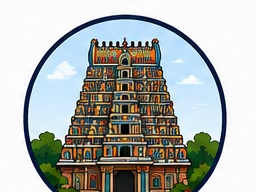
Madurai
See what's happening
Browse topics · 47
Madurai
Basic informationOpen ↗
| Field | Information | |---|---| | Official Name | Madurai district | | Common Name | Madurai | | Native Name(s) | மதுரை மாவட்டம் (Tamil) | | Nicknames | Temple city; Athens of the East | | Motto | _Data not readily available for this location._ | | Geographic Level | District | | Country | India | | State/Province | Tamil Nadu | | Capital | Madurai | | Government Type | District administration under the Government of Tamil Nadu; parliamentary democracy within the Republic of India | | Date Founded | The modern district existed under British-era Madura district administration; boundaries have changed several times after Independence. | | Time Zone | Indian Standard Time (IST), UTC+5:30 | | Latitude | Approximately 9.93° N (Madurai city) | | Longitude | Approximately 78.12° E (Madurai city) | | Elevation | Approximately 101 m (331 ft) above sea level in Madurai city; district elevation varies | | Total Area | About 3,741 sq km | | Population | About 3.04 million (2011 Census) | | Population Density | About 812 people per sq km (2011, approximate from census area and population) | | ZIP/Postal Codes | 625xxx series used across Madurai district | | Area Codes | 0452 (Madurai city); other exchanges exist in the district | | Official Languages | Tamil; English used for administration | | Currency | Indian Rupee (INR) | | Demonym | Madurai resident; Maduraian is also used informally |
OverviewOpen ↗
Madurai district is one of the historic heartlands of southern Tamil Nadu, centered on the ancient city of Madurai, a major religious, cultural, commercial, and educational center. The district is best known for the Meenakshi Amman Temple, its deep associations with Tamil literary history, and its longstanding role as a regional market hub linking rural agricultural areas with urban trade and services.
The district matters far beyond its boundaries because Madurai has long functioned as a cultural capital of Tamil civilization. It is associated with classical Tamil scholarship, temple architecture, pilgrimage, textiles, jasmine trade, and a busy small-business economy. The surrounding district includes both urban and rural landscapes, with villages, tanks, farms, market towns, and important transport links connecting it to the rest of Tamil Nadu.
Today, Madurai district combines heritage and modernity. Government services, healthcare, higher education, transport, retail, food processing, and tourism all play visible roles in daily life. At the same time, agriculture remains important in many parts of the district, especially where irrigation supports cultivation.
For visitors, researchers, and residents alike, Madurai district offers a useful lens on Tamil Nadu itself: ancient institutions living within a fast-changing regional economy.
HistoryOpen ↗
Madurai is among the oldest continuously inhabited urban centers in South India, and its district history is inseparable from the wider history of the Pandya country. The region has deep roots in early Tamil civilization and is traditionally linked with the Tamil Sangams, the legendary assemblies of poets and scholars. While some literary traditions are difficult to date precisely, there is broad historical agreement that Madurai was an important political and cultural center in the early historic period.
Before and during the rise of organized kingdoms, the area was inhabited by ancient Tamil-speaking communities whose livelihoods were tied to agriculture, trade, pastoral life, and riverine settlement patterns. The Vaigai basin helped sustain early settlement. Madurai later emerged as a major capital of the Pandya dynasty, which was one of the three classical Tamil crowned dynasties alongside the Cholas and Cheras.
Over many centuries, the region experienced periods of Pandya rule, rivalry with Chola power, and interaction with traders from across the Indian Ocean. In the medieval period, Madurai gained importance as a temple city and commercial center. The Delhi Sultanate's southern campaigns reached the area in the 14th century, and the short-lived Madurai Sultanate followed before Vijayanagara influence expanded into the south.
The Nayak period, especially from the 16th to 18th centuries, was transformative for Madurai. The Madurai Nayaks strengthened fortifications, patronized temples, sponsored urban growth, and contributed major architectural works, including additions associated with the Meenakshi temple complex and the Thirumalai Nayakkar Mahal. This era strongly shaped the district's visible cultural landscape.
In the 18th century, the region became part of wider conflicts involving the Nawab of Arcot, local polities, and eventually the British East India Company. Under British colonial rule, Madura district became an important administrative unit of the Madras Presidency. Revenue administration, road and rail development, missionary education, and new forms of municipal governance altered the social and economic life of the area.
The district also participated in the Indian freedom movement, including nationalist politics, labor activism, and social reform currents that spread across Tamil Nadu. After Indian independence in 1947, Madurai district became part of Madras State, later Tamil Nadu. Over time, administrative boundaries were redrawn, and new districts were carved out from older Madurai territory. In modern history, the district has continued to evolve through urban expansion, industrial diversification, educational growth, and improved transport connectivity, while retaining a strong sense of historical identity.
GeographyOpen ↗
Madurai district lies in south-central Tamil Nadu and includes the city of Madurai as its administrative and economic center. The district sits largely within the Vaigai River basin, and the river has historically shaped settlement, agriculture, and water management. Numerous irrigation tanks and channels, a traditional feature of Tamil landscapes, remain important to the district's geography.
The district is bordered by other districts of Tamil Nadu and contains a mix of urban plains, dry rural tracts, cultivated fields, rocky outcrops, and hill areas toward its western side. The terrain is generally inland rather than coastal, and much of the district falls within a semi-arid tropical environment with seasonal dependence on monsoon rainfall.
Important physical features include the Vaigai River system and the hill ranges associated with the Western Ghats fringe, particularly around areas such as Kodaikanal-adjacent uplands historically linked to the broader old Madurai region, though present district boundaries are more limited. Within current Madurai district, the Alagar Hills and Nagamalai hill formations are especially notable. These create visual relief around the otherwise broad plains.
Natural vegetation has been reduced in many settled areas, but scrublands, dry deciduous patches, and cultivated landscapes remain common. The district's natural resources include agricultural soils, stone and mineral resources used in construction, and groundwater, though water stress is a recurrent issue in dry years. The region's geological character includes ancient hard rock formations typical of peninsular India.
TopographyOpen ↗
Madurai district is characterized mainly by gently undulating plains interrupted by isolated hill masses and rocky ridges. Much of the settled and cultivated land lies at relatively modest elevation, making the district suitable for road building, urban growth, and tank-fed agriculture.
Notable topographic features - Vaigai basin plains: The core lowland zone where much of the population, farming, and urban development is concentrated. - Alagar Hills: A prominent hill complex northeast of Madurai city, important both visually and culturally. - Nagamalai and surrounding rocky ridges: Hill formations near the city that define parts of the local landscape. - Tank and floodplain systems: Seasonal low-lying zones associated with irrigation tanks, streams, and the Vaigai's wider drainage pattern.
Highest and lowest areas - Highest point: The district includes hill zones, but a single district-wide highest point is not consistently cited in standard summaries. Higher elevations occur in the hill tracts such as the Alagar range. - Lowest point: The lowest terrain is found in the lower riverine and plain areas of the district; a precise commonly cited figure is not readily available.
Landform pattern - Hills and ridges: Scattered but locally significant, especially around the city's fringes. - Plateaus: The district is part of the broader peninsular upland system, though it is more plain-dominant than plateau-dominant in everyday geography. - Canyons: Not a defining feature. - Coastal areas: None; Madurai district is inland. - Flood plains: Limited but important along the Vaigai and near tanks and drainage channels during heavy rains.
Weather & climateOpen ↗
Madurai district has a hot semi-arid to tropical climate, with high temperatures for much of the year and rainfall concentrated in the monsoon seasons. The city of Madurai is often used as the district's climatic reference point.
Climate summary - Köppen classification: Often described as BSh (hot semi-arid), with some local tropical characteristics. - Hottest period: Typically April to June. - Coolest period: Usually December to January. - Rainfall pattern: Receives rain from both the southwest monsoon and, more importantly, the northeast monsoon.
Typical weather pattern | Season | General Conditions | |---|---| | March-June | Very warm to hot, often dry, with daytime temperatures frequently above 35°C | | July-September | Hot with some monsoon influence, though usually less intense than western coastal India | | October-December | Main rainy season due to northeast monsoon | | December-February | Warm days, milder nights, comparatively pleasant |
Approximate averages for Madurai city area - Summer daytime temperatures: Often around 35-39°C - Winter daytime temperatures: Often around 28-31°C - Night temperatures in cooler months: Commonly around 20-22°C, sometimes lower - Annual rainfall: Roughly in the 800-900 mm range in many standard summaries, though it varies by year and across the district - Snowfall: None in the district plains - Humidity: Moderate to high during monsoon periods; lower in drier months
Best time to visit - November to February is generally the most comfortable period for travel, festivals, and outdoor visits.
Natural hazards - Heat waves and prolonged hot spells - Water scarcity in poor monsoon years - Urban flooding or localized flooding during intense northeast monsoon rainfall
PopulationOpen ↗
According to the 2011 Census of India, Madurai district had a population of about 3.04 million. It is one of the more populous districts in Tamil Nadu, with a large concentration in and around Madurai city and a substantial rural population in surrounding blocks and towns.
Population profile - Total population: About 3,038,252 (2011 Census) - Urban-rural pattern: A significant urban population centered on Madurai city, with many rural communities across the district - Population growth: Growth has been influenced by urban expansion, migration for education and work, and suburban development - Population density: High relative to many inland districts because of the concentration around the city
Social composition - Languages: Tamil is the overwhelmingly dominant language; English is widely used in education, business, and administration - Religions: Hinduism is the majority religion, with important Muslim and Christian communities and smaller communities of others - Ethnic composition: The district is primarily composed of Tamil-speaking South Indian communities, with diversity across caste, religion, and occupational groups
Age and household characteristics - The district includes a broad mix of school-age children, working-age adults, and older residents. - Urban areas tend to have more students, service-sector workers, and mobile professional populations. - Rural areas continue to include farm households, agricultural laborers, and small traders.
Education and employment - Literacy in the district is above many rural-only regions because of the influence of Madurai city and its educational institutions, though exact current district-wide rates should be checked in official census releases. - Employment spans trade, transport, education, healthcare, government, manufacturing, construction, agriculture, and informal services.
Income and gender - District-wide current median income figures are not consistently available in a single standard public summary. - Gender balance and workforce participation vary between urban and rural zones and by occupation.
_Data not readily available for this location._
GovernmentOpen ↗
Madurai district is administered as a district of Tamil Nadu under the broader constitutional system of India. The district administration is headed by a District Collector, an Indian Administrative Service or state cadre officer responsible for revenue administration, land records, elections, disaster response, and coordination of government departments.
Administrative structure - District headquarters: Madurai - District Collectorate: Central administrative office for district governance - Revenue divisions and taluks: The district is divided into sub-district administrative units for land, records, and local service delivery - Urban local bodies: Madurai City Municipal Corporation is the major urban local authority; municipalities, town panchayats, and village panchayats govern other settlements - Rural administration: Panchayat unions and village panchayats manage local civic functions in rural areas
Political representation - The district falls within multiple Tamil Nadu Legislative Assembly constituencies and Lok Sabha parliamentary constituencies associated with Madurai and surrounding areas. - Elected representatives include Members of the Legislative Assembly (MLAs), a Member of Parliament (MP), and local body councillors.
Public services - Revenue and registration - Policing and law enforcement through Tamil Nadu Police - Public health through government hospitals and primary health centers - School education through state-run and aided institutions - Water supply, roads, sanitation, and local planning through municipal and panchayat bodies
Head of government - State level: Government of Tamil Nadu - National level: Government of India - District level chief administrator: District Collector - City level elected head: Madurai's municipal corporation has a Mayor and council structure
Named officeholders change over time, so current incumbents should be confirmed on official government portals.
EconomyOpen ↗
Madurai district has a diversified regional economy anchored by Madurai city. It serves as a major commercial center for southern Tamil Nadu, combining wholesale trade, retail, temple tourism, education, healthcare, transport services, small manufacturing, and agriculture-linked business. The district functions as both a consumption market and a service hub for surrounding rural areas.
A large share of employment comes from the service sector, especially trade, hotels, restaurants, logistics, education, hospitals, financial services, and government employment. Madurai is also known for traditional industries such as textiles, garments, handloom and powerloom-related activity, food products, and small engineering workshops. Temple-linked commerce, flower markets, and wedding-related retail remain economically significant.
Agriculture still matters in many parts of the district, particularly for paddy, pulses, sugarcane, groundnut, banana, and jasmine cultivation where water conditions permit. Rural livelihoods often combine farming with wage labor, transport, construction, and seasonal urban work.
Madurai's strengths include its strategic location, long-established markets, strong cultural identity, educational base, and role as a healthcare destination for nearby districts. Constraints include periodic water stress, uneven industrialization compared with larger metros, congestion in urban growth corridors, and dependence on monsoon performance in agricultural areas.
Economic notes - GDP/GDDP: District-specific GDP is not always presented in a simple official public format. - Major employers: Government institutions, hospitals, educational institutions, retail chains, transport operators, textile and manufacturing units, and small enterprises. - Cost of living: Generally lower than Chennai and some larger Indian metros, though core urban areas can be considerably more expensive than rural parts of the district. - Future development: Logistics, healthcare, higher education, tourism, urban services, IT-enabled services, and upgraded manufacturing are commonly cited growth areas.
IndustriesOpen ↗
- Tourism and pilgrimage: The Meenakshi Amman Temple and other historic sites make tourism a major economic driver, supporting hotels, restaurants, transport, retail, and guide services.
- Textiles and garments: Madurai has longstanding links to cotton textiles, spinning, weaving, readymade garments, and related trading networks.
- Agriculture and agri-trade: Farming supports local mandis, storage, transport, and food processing, especially for rice, banana, pulses, and flowers.
- Jasmine and floriculture: Madurai jasmine is especially famous and supports growers, traders, exporters, and temple and wedding markets.
- Healthcare: Large hospitals and specialty centers make the district a medical service hub for southern Tamil Nadu.
- Education: Universities, colleges, schools, coaching centers, and training institutes contribute significantly to employment and the local service economy.
- Retail and wholesale trade: Traditional bazaars and modern commercial areas serve both local consumers and nearby districts.
- Transport and logistics: Bus transport, trucking, warehousing, and distribution are important because Madurai is a regional junction.
- Construction and real estate: Urban expansion, institutional growth, and infrastructure projects support building activity.
- Small manufacturing and engineering: Workshops, fabrication units, pumps, metalwork, printing, and packaged goods remain important in the district's industrial mix.
AgricultureOpen ↗
Agriculture remains central to the rural economy of Madurai district, although it is shaped heavily by rainfall variability, irrigation availability, and groundwater conditions. The Vaigai system, tanks, canals, wells, and borewells all influence what can be cultivated and where.
Main agricultural activities - Paddy: Grown in irrigated tracts and remains a staple crop. - Pulses: Important in drier areas and crop rotation systems. - Groundnut: Common in suitable dryland areas. - Sugarcane: Cultivated where irrigation is reliable. - Banana: A visible horticultural crop in better-watered pockets. - Coconut: Present in some parts of the district. - Cotton: Historically significant in parts of the wider region, though local patterns vary over time. - Vegetables and chillies: Grown for local and regional markets. - Jasmine: One of the district's signature commercial crops, especially associated with the Madurai region.
Livestock and allied sectors - Cattle, goats, and poultry are common components of rural livelihoods. - Dairy activity contributes supplemental household income. - Small-scale fodder cultivation supports livestock in some villages.
Irrigation and constraints - Irrigation comes from tanks, canals, river-fed systems, and groundwater. - Recurring challenges include erratic monsoons, falling groundwater in some areas, rising input costs, and market volatility.
Fisheries and forestry - Inland fisheries exist in tanks and water bodies but are not the district's dominant primary-sector activity. - Forestry is limited compared with heavily forested districts, though hill and scrub areas have ecological importance.
Organic and specialty farming - Small pockets of organic or low-chemical farming exist, but district-wide official scale data is not readily summarized in standard public sources.
HousingOpen ↗
Madurai district's housing market ranges from dense urban neighborhoods in Madurai city to peri-urban layouts, small-town housing, and village homes across the district. Demand is shaped by education, healthcare, government employment, migration from nearby rural areas, and the city's role as a regional commercial center.
Housing pattern - Urban core: Older mixed-use neighborhoods with independent homes, apartments above shops, and traditional streets. - Peri-urban growth zones: New plotted developments, apartments, and gated communities have expanded along major roads leaving the city. - Towns and villages: Housing is dominated by individual houses rather than large apartment stock.
Common housing types - Single-family houses - Low- and mid-rise apartment buildings - Plotted residential layouts - Rental portions in owner-occupied homes - Staff and student accommodation near institutions
Market conditions - Housing in central Madurai is generally more expensive than in outer neighborhoods and rural parts of the district. - Rental demand is supported by students, hospital visitors' families, small business workers, and government employees. - Affordable housing needs remain significant, especially for low-income households and informal workers.
Costs - Average current district-wide home prices and rental figures vary greatly by locality and are not stable enough to summarize here without a live market source.
_Data not readily available for this location._
NeighborhoodsOpen ↗
Because this is a district article, the most useful approach is to describe major urban areas, suburban growth belts, and notable localities centered on Madurai city.
- Madurai city core: The historic heart around the Meenakshi Amman Temple, dense with commerce, markets, older residential streets, and religious institutions.
- Tallakulam: A well-known urban locality with residential, institutional, and commercial functions.
- Anna Nagar: A major residential and commercial area known for planned layouts and middle-class housing.
- KK Nagar: A prominent neighborhood with schools, residences, shops, and civic amenities.
- Goripalayam: An important junction area with commercial activity and access to multiple parts of the city.
- Simmakkal and surrounding market zones: Traditional trading areas with busy retail streets and transport movement.
- Tirupparankundram: A major suburban-religious zone famous for the hill temple and growing residential areas.
- Alanganallur area: A well-known part of the district outside the city, especially associated with Jallikattu traditions.
- Melur region: An important eastern part of the district with agriculture, town functions, and road connectivity.
- Usilampatti region: A western-side regional center serving surrounding rural communities.
Local boundaries and neighborhood identities can overlap, especially as Madurai's urban area expands.
TransportationOpen ↗
Madurai district is one of the better-connected inland districts in southern Tamil Nadu. Madurai city acts as a regional transport hub for road, rail, and air travel, linking nearby districts as well as Chennai, Bengaluru, Kerala, and other parts of India.
Roads and highways - National highways connect Madurai to Chennai, Tiruchirappalli, Dindigul, Theni, Tirunelveli, Rameswaram, and Kanyakumari corridors. - State highways and district roads connect smaller towns, market centers, and villages. - Road congestion can be significant in central Madurai and on major approach roads.
Public transport - Bus services are the backbone of local and regional public transport. - Madurai has major bus terminals serving city, mofussil, and long-distance routes. - Town buses and private services connect neighborhoods and suburbs.
Rail - Madurai Junction is a major railway station in southern Tamil Nadu. - Rail links connect the district to Chennai, Coimbatore, Tiruchirappalli, Rameswaram, Tirunelveli, Bengaluru, Mumbai, Delhi, and other cities through direct or indirect services.
Air travel - Madurai Airport serves domestic routes and selected international connections, especially to destinations in South and Southeast Asia depending on schedules and approvals. - The airport is important for business travel, medical travel, and diaspora connections.
Other mobility - Auto-rickshaws are a common form of short-distance travel. - Taxis and app-based rideshare are available in the city. - Walking is practical in market and temple areas, though heat and traffic can be limiting. - Cycling exists but dedicated bicycle infrastructure is limited. - EV charging is gradually increasing, though district-wide coverage is still evolving.
Ports and waterways - Madurai district is inland and has no seaport. - Water transport is not a significant mode in the district.
InfrastructureOpen ↗
Madurai district has relatively strong infrastructure by the standards of a major inland regional center, though service quality varies between the urban core, peri-urban settlements, and rural villages.
Electricity - Power is supplied through the Tamil Nadu state grid. - Urban areas generally have broad grid coverage, though outages and load issues can still occur. - Rural electrification is extensive, with most settlements connected.
Water supply - Water comes from a combination of river systems, reservoirs linked to the Vaigai basin, municipal schemes, tanks, and groundwater. - Water scarcity can become a serious issue in dry seasons or weak monsoon years. - Urban water management and recharge remain important policy concerns.
Sewer and sanitation - Madurai city has organized sewerage and drainage systems in many areas, though coverage and performance are not uniform. - Septic systems remain common in some peri-urban and rural locations. - Solid waste management is handled by urban local bodies and panchayats with varying effectiveness.
Internet and telecom - 4G mobile coverage is widespread in the city and common across much of the district. - Broadband services are available through fiber and wireless providers in urban and semi-urban areas. - Rural connectivity has improved but can be less consistent.
Cellular and digital services - Major Indian telecom operators are present. - Digital payments, online government services, and app-based commerce are widely used in Madurai city and increasingly common elsewhere in the district.
Civic infrastructure - Hospitals, schools, colleges, bus stations, markets, and administrative offices are concentrated in and around Madurai city. - Continued investment is often needed in drainage, traffic management, water security, and peri-urban planning.
EducationOpen ↗
Madurai district is one of Tamil Nadu's important education centers, serving not only district residents but also students from across southern India. The concentration of colleges, professional institutes, libraries, and schools around Madurai city gives the district an influence larger than its administrative size.
Major institutions - Madurai Kamaraj University — A major public university in Tamil Nadu with affiliated colleges and research programs. - The American College, Madurai — One of the region's best-known historic higher education institutions. - Thiagarajar College — A prominent arts and science college. - Thiagarajar College of Engineering — A respected engineering institution in the district. - Madurai Medical College — A leading medical education institution linked to major public healthcare services. - Fatima College — A well-known autonomous college with a strong academic profile. - Lady Doak College — A longstanding higher education institution, especially known in women's education. - Mannar Thirumalai Naicker College — A widely recognized college in Madurai.
School education and libraries - The district has many government, aided, matriculation, and CBSE schools across urban and rural areas. - Named long-established schools in Madurai include institutions such as Sourashtra Higher Secondary School and St. Mary's Higher Secondary School, among others. - Public library services are available through district and branch libraries, including notable facilities in Madurai city.
Vocational and professional training - The district includes teacher training institutes, polytechnics, nursing colleges, industrial training institutes, and private coaching centers. - Professional education in medicine, engineering, commerce, and computer science is particularly important to the district economy.
Education is one of Madurai's defining strengths and a major reason the district attracts long-term student migration.
HealthcareOpen ↗
Madurai district is one of southern Tamil Nadu’s major medical hubs, with large government hospitals, teaching hospitals, specialty centers, neighborhood clinics, and extensive pharmacy coverage.
Major hospitals and medical institutions - Government Rajaji Hospital (GRH), Madurai — the district’s best-known tertiary government hospital and a major referral center for southern Tamil Nadu; closely linked with Madurai Medical College. - Madurai Medical College — an important public medical teaching institution supporting specialist training and clinical services. - Apollo Speciality Hospitals, Madurai — a prominent private multispecialty hospital serving Madurai and nearby districts. - Meenakshi Mission Hospital and Research Center — a large private tertiary-care institution known regionally for multispecialty care. - Velammal Medical College Hospital and Research Institute — a teaching hospital serving the district and surrounding region. - Aravind Eye Hospital, Madurai — internationally recognized eye-care institution founded in Madurai; a major center for ophthalmology, surgery, outreach, and training. - Government Headquarters Hospitals and Taluk Hospitals in towns across the district provide secondary care, maternity services, and emergency stabilization.
Common healthcare services available - Primary care through government primary health centers (PHCs), urban health posts, and private clinics. - Specialty services including cardiology, oncology, nephrology, orthopedics, obstetrics and gynecology, pediatrics, and ophthalmology. - Diagnostic centers for imaging, pathology, and preventive health screening are widely available in Madurai city. - Pharmacies range from independent medical shops to 24-hour outlets near large hospitals. - Maternal and child health services are widely delivered through the public health system and major private hospitals.
Mental health and long-term care - Psychiatric and counseling services are available through major hospitals and private practitioners in Madurai city. - Rehabilitation, elder care, and nursing-home style services exist, though the range and scale vary by neighborhood. - For complex or long-term mental-health care, residents often rely on larger hospital-based psychiatry departments.
Public health context - Madurai’s role as a regional center means patients often arrive from neighboring districts for advanced treatment. - Like many Indian districts, care quality and waiting times can differ significantly between large tertiary hospitals and smaller local facilities.
Practical note For emergencies, the fastest route is often a major city hospital in Madurai, especially Government Rajaji Hospital or one of the large private multispecialty hospitals.
Emergency servicesOpen ↗
Emergency services in Madurai district are provided through Tamil Nadu’s state systems, district administration, city police, fire and rescue, and public and private ambulance networks.
Emergency phone numbers - 112 — national integrated emergency response number - 108 — ambulance and medical emergency service widely used across Tamil Nadu - 100 — police - 101 — fire and rescue
Police - Madurai City Police handles law enforcement within the urban corporation area. - Madurai District Police covers rural and non-city parts of the district. - Police services include law and order, traffic management, women’s help services, cybercrime reporting, and crime investigation.
Fire and rescue - Tamil Nadu Fire and Rescue Services operates fire stations serving Madurai city and the wider district. - Services include fire suppression, road accident rescue, building rescue, and emergency response during monsoon-related incidents.
Ambulance and medical response - 108 ambulance service is the principal public emergency medical transport system. - Large hospitals, including government and private tertiary centers, also coordinate their own ambulance services. - Because Madurai is a referral hub, inter-hospital transfers are common.
Disaster management - The District Collectorate and district disaster-management authorities coordinate response to heavy rain, flooding, heat, storm impacts, and public-safety incidents. - Urban authorities also monitor drainage, waterlogging, and civic emergency preparedness during monsoon periods.
Practical guidance - In central Madurai, major hospitals are reachable relatively quickly, though traffic can slow movement during peak hours and festival periods. - In more rural parts of the district, residents may first reach a PHC or taluk hospital before transfer to Madurai city for specialist care.
BusinessesOpen ↗
Madurai district has a diverse economy built on trade, transport, services, education, healthcare, tourism, agriculture, and manufacturing. Madurai city functions as the commercial center for much of southern Tamil Nadu.
Economic profile - Retail and wholesale trade are central to the district economy, especially around old market areas and newer commercial corridors. - Textiles and garments remain important, reflecting Madurai’s long association with cotton, weaving, and clothing trade. - Agricultural trade connects the city with surrounding rural production, including flowers, vegetables, and staples. - Healthcare and education are major employment sectors due to the district’s concentration of hospitals, colleges, and training institutions. - Tourism and pilgrimage generate business for hotels, restaurants, transport operators, guides, and retailers.
Business districts and commercial areas - Central Madurai around the Meenakshi Amman Temple and historic core is dense with retail, jewelry, textiles, religious goods, and hospitality businesses. - Town Hall Road is widely known for shopping, eateries, and visitor-oriented commerce. - West Masi Street, East Masi Street, South Masi Street, and North Masi Street are among the city’s traditional trading corridors. - KK Nagar and other newer urban neighborhoods have developed as modern residential-commercial zones.
Shopping and retail - Madurai has a mix of: - traditional bazaars - independent textile and jewelry shops - supermarkets and chain stores - shopping complexes and malls in the urban area - The city is especially known in Tamil Nadu for textile retail and wedding-related shopping.
Major employers - Government institutions, especially hospitals, schools, colleges, and district administration offices. - Large private hospitals and educational institutions. - Transport, logistics, and wholesale-market businesses. - Manufacturing and processing units in and around the district.
Small business and local enterprise - Family-run shops, eateries, workshops, printing businesses, flower traders, tailors, and transport firms are a major part of everyday economic life. - Street vending and informal retail remain important in busy market areas.
Industrial and emerging sectors - The district has activity in rubber, food processing, engineering, packaging, and small-scale manufacturing, though the scale varies. - Information-technology and startup activity exists but is smaller than in Chennai or Coimbatore.
Business character Madurai’s business culture combines an old mercantile city tradition with modern service-sector growth. Much of its strength comes from being a regional capital for commerce and connectivity rather than from a single dominant industry.
Restaurants & foodOpen ↗
Madurai is one of Tamil Nadu’s best-known food cities, with a strong reputation for hearty South Indian meals, non-vegetarian dishes, temple-town sweets, and late-night tiffin culture.
Local food identity Madurai cuisine is associated with: - idli, dosa, pongal, vada, and other tiffin dishes - parotta and salna-style gravies - Chettinad- and Tamil-style non-vegetarian cooking, especially chicken and mutton dishes - jigarthanda, the city’s signature chilled sweet drink-dessert - festive sweets and snacks sold near temple streets and markets
Signature food experiences - Jigarthanda is perhaps Madurai’s most famous food item, widely associated with the city. - Night food streets and late-hour eateries are a notable part of local culture. - Traditional banana-leaf meals remain common in many restaurants.
Well-known restaurant names often associated with Madurai - Murugan Idli Shop — widely known beyond Madurai for South Indian tiffin items. - Kumar Mess — often cited in discussions of the city’s non-vegetarian dining culture. - Amma Mess — another familiar name in Madurai’s local restaurant scene. - Famous Jigarthanda shops, including businesses using the phrase “Madurai Jigarthanda,” are part of the city’s culinary identity.
Food markets and street food - Streets around the temple area and commercial corridors host many snack stalls, tea shops, sweet shops, and quick-meal counters. - Traditional markets in the city support fresh produce, flowers, spices, and ingredients for households and restaurants.
Vegetarian and religious food traditions - Because of the importance of the Meenakshi Amman Temple, vegetarian dining has deep roots in the city. - Temple-area restaurants often serve simple South Indian meals and tiffin to pilgrims and visitors.
Modern dining - Madurai also has: - family restaurants - hotel dining rooms - bakeries and dessert shops - cafés and fast-food chains - multicuisine restaurants in newer neighborhoods
Food culture summary Madurai’s food scene is defined less by luxury dining than by strong local identity, flavor, affordability, and a citywide enthusiasm for breakfast, tiffin, meat dishes, sweets, and late-night eating.
TourismOpen ↗
Madurai is one of the most historically significant urban centers in Tamil Nadu and a major pilgrimage and heritage destination. The district’s tourism is anchored by temples, history, architecture, and nearby hill landscapes.
Major attractions - Meenakshi Amman Temple — the defining landmark of Madurai and one of India’s most celebrated temple complexes, known for its monumental gopurams, sacred spaces, sculpture, and central role in the city’s identity. - Thirumalai Nayakkar Mahal — a 17th-century palace associated with the Nayak rulers, notable for its grand columns and Indo-Saracenic/Dravidian-influenced architecture. - Gandhi Memorial Museum — one of India’s important museums dedicated to Mahatma Gandhi and the freedom movement. - Koodal Azhagar Temple — an important Vaishnavite temple in central Madurai. - Vandiyur Mariamman Teppakulam — large temple tank associated with float-festival traditions. - Azhagar Kovil — a major temple site in the hills north-east of Madurai. - Pazhamudircholai — one of the six sacred abodes of Murugan, located in a forested hill setting near Azhagar Kovil.
Historic urban experience - The old city’s concentric street layout around the Meenakshi temple is itself historically significant. - Temple streets, markets, and old commercial areas provide one of Tamil Nadu’s strongest examples of a living temple city.
Museums and heritage - Gandhi Memorial Museum is the district’s most prominent museum for modern history. - Heritage interest also centers on Nayak-period architecture and long-standing religious institutions.
Excursions and scenic areas - Samanar Hills (Keelakuyilkudi area) — associated with Jain heritage, rock beds, and inscriptions. - Yanaimalai — a historic rocky hill with archaeological and religious significance. - Azhagar Hills region — popular for temple visits and greener landscapes compared with the city plain.
Why visitors come - Pilgrimage to the Meenakshi temple and other sacred sites - Architecture and temple art - Tamil cultural history - Food tourism - Festival attendance, especially Chithirai Festival
Visitor note Madurai is often used as both a destination and a base for onward travel to other parts of southern Tamil Nadu.
RecreationOpen ↗
Recreation in Madurai district ranges from temple-city walking and family outings to hill visits, sports grounds, and neighborhood parks. The district is more known for cultural and urban recreation than for wilderness adventure.
Common recreational activities - Temple and heritage walks in the old city - Evening outings to parks, tanks, and major public spaces - Family dining and shopping in central commercial districts - Short drives to hill temples and scenic outskirts
Outdoor recreation - Azhagar Hills area offers light nature-based outings and temple-linked visits. - Samanar Hills attracts visitors interested in short hikes, viewpoints, and heritage exploration. - Open grounds and local clubs support walking, jogging, and amateur sports.
Sports and fitness recreation - Cricket, badminton, football, volleyball, and athletics are widely played in schools, colleges, and local grounds. - Madurai has stadiums, indoor halls, swimming facilities, and private fitness centers, though facility quality varies. - Educational campuses are important recreational spaces for students and local sports events.
Family recreation - Public parks and temple tank areas are popular for casual outings. - Cinema-going remains a major leisure activity in the city. - Seasonal fair-like atmospheres develop around temple festivals and community celebrations.
Water and adventure recreation - Madurai district is not primarily known for boating resorts, beaches, or major adventure tourism. - Recreational water use is limited compared with Tamil Nadu’s coastal districts.
Golf, camping, and similar activities - Large-scale camping or destination-style golf is not a defining part of Madurai recreation. - Informal picnics and day trips to greener outskirts are more common.
Recreation summary Madurai’s recreational life is rooted in public gathering, festivals, food, sports, cinema, and culturally meaningful places rather than in resort-style tourism.
Parks & natureOpen ↗
Madurai district combines a dense historic city with dry-zone plains, rocky hill formations, sacred groves, and pockets of greener terrain around temple-hill landscapes.
Notable parks and natural areas - Azhagar Hills — among the district’s best-known natural landscapes, combining forested slopes with major religious sites. - Pazhamudircholai surroundings — wooded hill environment of ecological and spiritual importance. - Samanar Hills — rocky outcrop with historical Jain associations, offering a semi-natural landscape close to the city. - Yanaimalai — striking hill formation known for both geology and heritage. - Urban parks in Madurai city provide limited but valuable green space for residents.
Ecological character - Much of the district lies in a semi-arid to dry zone landscape. - Native vegetation in outlying areas tends toward scrub, dry deciduous patches, and cultivated land rather than dense forest. - Riverine and tank-based ecosystems remain important for birds and local hydrology.
Wildlife and birdlife - Common birdlife can be found around tanks, agricultural areas, and greener hill zones. - Larger wildlife presence is more limited than in major reserve forests elsewhere in Tamil Nadu, though hill tracts support local biodiversity.
Protected areas _Data not readily available for this location._
Urban nature - Temple tanks, roadside trees, and neighborhood parks contribute significantly to everyday environmental quality in the city. - Seasonal variation in greenery is noticeable, especially after rains.
Nature experience summary Madurai is not a classic high-biodiversity destination, but its rocky hills, sacred landscapes, and water-linked ecosystems give the district a distinctive natural profile.
Rivers, lakes & waterwaysOpen ↗
Water in Madurai district is shaped by the Vaigai River, an extensive network of tanks and reservoirs, and seasonal dependence on monsoon rainfall and managed storage.
Major waterways - Vaigai River — the principal river associated with Madurai; it flows through the city and is central to the district’s geography, history, and urban identity. - The river has long influenced settlement, agriculture, transport patterns, and ritual life.
Tanks and reservoirs - Vandiyur Mariamman Teppakulam — a famous large temple tank in Madurai city, especially significant for ceremonial use. - The district and region rely on numerous irrigation tanks and local water-storage structures, a traditional feature of Tamil Nadu’s water management. - Vaigai Dam is in the broader region but not in central Madurai city; it is strongly associated with water supply and irrigation for the wider area.
Water management context - Seasonal variability and monsoon dependence affect river flow and urban water conditions. - Like many south Indian cities, Madurai depends on a combination of river water, stored water, groundwater, and managed distribution systems.
Cultural importance - Water bodies in Madurai are not only practical assets but also part of temple ritual, festival processions, and civic memory. - The float festival tradition at Teppakulam is one of the best-known examples.
Environmental concerns - Urban rivers and tanks face pressures from encroachment, pollution, siltation, and irregular rainfall. - Restoration and maintenance of tanks and waterways are recurrent civic issues.
Recreation and scenic value - Waterfront recreation is modest compared with lake or beach destinations, but temple tanks and river stretches carry visual and symbolic importance. - After rains, water bodies often become more active public landmarks.
Arts & cultureOpen ↗
Madurai is one of Tamil civilization’s great historic centers, with deep associations to literature, religion, architecture, music, and festival culture.
Cultural significance - Often celebrated as one of Tamil Nadu’s oldest and most storied cities, Madurai occupies a major place in Tamil literary memory and in narratives surrounding the Sangam age. - The city is a living center of Dravidian temple culture, ritual arts, processions, and traditional craftsmanship.
Major cultural institutions - Gandhi Memorial Museum — a leading institution for modern Indian political history and public education. - Thirumalai Nayakkar Mahal — heritage architecture and a major cultural landmark. - Temple complexes, especially Meenakshi Amman Temple, function as both religious and cultural spaces.
Visual arts and craft traditions - Temple sculpture, stone carving, metalwork, religious iconography, and ceremonial decoration are part of the district’s artistic environment. - Textile traditions and wedding-related crafts also remain culturally important.
Music and performance - Carnatic music, devotional music, nadaswaram, and temple percussion are strongly present in religious and ceremonial contexts. - Dance and stage performances often accompany festival seasons and sabha-style cultural programming. - School, college, and community stages support drama, debate, and music competitions.
Festivals as cultural expression - Chithirai Festival is among Tamil Nadu’s most important public cultural-religious festivals. - Temple car festivals, float festivals, and seasonal observances shape the city’s calendar.
Heritage layers - Hindu temple heritage dominates public visibility, but Madurai also contains Jain, Islamic, and Christian historical layers. - Its urban form, market traditions, and ceremonial processions make it an unusually vivid example of a historic south Indian city still functioning at full civic scale.
Cultural identity summary Madurai’s culture is not confined to museums or performance halls; it is embedded in streets, ritual calendars, food, markets, architecture, and spoken Tamil.
ReligionOpen ↗
Religion is central to public life in Madurai district, with Hinduism especially visible through major temples, festivals, and daily ritual activity. The district also has long-established Muslim and Christian communities, along with smaller religious traditions.
Major religious traditions - Hinduism is the dominant and most publicly visible faith tradition. - Islam has an established presence through mosques, neighborhoods, and community institutions. - Christianity is represented by Catholic and Protestant churches, schools, and charitable organizations. - Jain heritage is historically important, especially through sites such as Samanar Hills.
Major Hindu sites - Meenakshi Amman Temple — the district’s foremost religious landmark. - Koodal Azhagar Temple — important Vaishnavite temple. - Azhagar Kovil — major temple in the hills outside the city core. - Pazhamudircholai — sacred Murugan site of statewide importance. - Numerous neighborhood temples and shrines structure everyday devotional life.
Christian institutions - Madurai has historic churches and active Christian educational and social-service institutions. - St. Mary’s Cathedral, Madurai is among the prominent Christian landmarks associated with the city.
Muslim institutions - Mosques are present across the city and district, serving local neighborhoods and trading communities. - Islamic educational and charitable institutions also contribute to community life.
Religious life in the city - Temple processions, daily puja, festival markets, and seasonal pilgrimages are central features of the public realm. - Major festivals can reshape traffic, commerce, and civic rhythms across large parts of the city.
Religious composition Specific district-level religious composition changes over time and should be checked against the latest census tables. Broadly, the district reflects Tamil Nadu’s pattern of a Hindu majority with substantial Muslim and Christian minorities.
SportsOpen ↗
Sports in Madurai district are led by cricket, athletics, football, volleyball, kabaddi, and school- and college-based competition. The district has a strong sporting culture even though it is not among India’s largest professional-sports centers.
Popular sports - Cricket — the most widely followed and played sport. - Football — common in schools, colleges, and local clubs. - Athletics — supported by educational institutions and district meets. - Kabaddi and volleyball — popular in both urban and rural communities. - Badminton and tennis — available through clubs, schools, and private facilities.
Facilities - Race Course Stadium, Madurai — one of the city’s best-known sports venues. - College grounds and school campuses play a major role in training and competitions. - Indoor stadiums, private academies, and neighborhood grounds support regular play.
Competitive structure - District-level tournaments and inter-school and inter-collegiate competitions are important to talent development. - Tamil Nadu state competitions often include athletes and teams from Madurai.
Spectator culture - Cricket is the dominant spectator sport through television, local leagues, and school tournaments. - Festival-linked sports and community competitions also draw local audiences.
Fitness and participation - Walking, jogging, gym training, and yoga are common in public grounds and private centers. - Youth participation in coaching academies has grown with urban expansion.
Professional teams Madurai is better known for grassroots and regional sports culture than for hosting long-established top-tier national professional franchises.
EventsOpen ↗
Madurai district has a rich annual calendar shaped by religion, civic life, markets, and seasonal celebrations.
Major annual events - Chithirai Festival — the city’s most famous event, associated with Meenakshi and Sundareshwarar and the ceremonial arrival of Kallazhagar; one of Tamil Nadu’s major religious festivals. - Float Festival (Theppam) at Vandiyur Mariamman Teppakulam — a widely recognized ceremonial event centered on the temple tank. - Navaratri celebrations — marked in temples and homes. - Panguni and other temple festival cycles — observed at major and neighborhood temples.
Community and cultural events - School and college cultural festivals - Music and devotional programs during religious seasons - Public commemorations connected to national holidays and civic institutions - Wedding season activity, which strongly affects retail and hospitality sectors
Markets and periodic gatherings - Traditional markets and festive shopping intensify during major temple celebrations. - Local produce and flower markets become especially active around religious dates.
Sports and public events - District sports meets, school tournaments, and college competitions are recurring fixtures. - Political rallies and public meetings also play a visible role in civic life, as in many major Tamil Nadu cities.
Visitor note Festival dates follow religious calendars and vary year to year. During major events, accommodation, transport, and crowd management become especially important.
MediaOpen ↗
Madurai district is served by Tamil-language and English-language print, broadcast, and digital media, with strong coverage from both local outlets and state-level networks.
Newspapers Commonly available newspapers in Madurai include major Tamil and English dailies such as: - Dina Thanthi (Daily Thanthi) - Dinamalar - Dinamani - The Hindu - The New Indian Express - Times of India editions available in the region
Television - Residents rely on major Tamil news and entertainment channels broadcast statewide. - National channels are also widely available through cable, DTH, and digital streaming.
Radio - All India Radio (AIR) services are available in the region. - FM radio includes public and private Tamil stations carrying music, talk, traffic, and local updates.
Digital and online media - Most major Tamil Nadu news organizations maintain web and mobile platforms used heavily by Madurai residents. - Social media and YouTube-based local reporting have become increasingly influential for neighborhood news, traffic updates, and event coverage.
Media character Madurai’s media environment reflects its status as a large regional city: local issues receive attention, but the district is also deeply connected to the wider Tamil Nadu media sphere.
Prominent personalitiesOpen ↗
- Rani Mangammal — influential Nayak-era queen-regent closely associated with Madurai’s historical legacy.
- Tirumalai Nayak — 17th-century ruler remembered for major architectural patronage, especially Thirumalai Nayakkar Mahal.
- Subramania Bharati — nationalist poet who had associations with Madurai during his life and career in Tamil public culture.
- M. Karunanidhi — major Tamil political leader whose public life had important links with Madurai’s political sphere, as with much of Tamil Nadu.
- A. P. J. Abdul Kalam — though from Ramanathapuram district, widely honored across southern Tamil Nadu, including Madurai’s educational and civic circles.
- Dr. G. Venkataswamy — founder of the Aravind Eye Care System, one of Madurai’s most internationally significant institutional figures.
- Nammalvar (traditional religious association) — the Vaishnavite saint is strongly linked in regional devotional geography, including nearby temple traditions.
- Madurai Shanmukhavadivu Subbulakshmi (M. S. Subbulakshmi) — legendary Carnatic vocalist born in Madurai, one of India’s most revered musicians.
- Madurai Somu — celebrated Carnatic musician strongly identified with the city.
- T. N. Seshan — former Chief Election Commissioner of India; born in the Madurai region and nationally prominent for electoral reform.
- Vairamuthu — noted Tamil poet and lyricist from the wider Madurai region.
- Sujatha (S. Rangarajan) — influential Tamil writer and novelist with roots in the region.
- A. R. Rahman — not from Madurai, but frequently celebrated in the city’s cultural life; included here only as a figure of influence, not local origin.
Some notable personalities are associated with the broader Madurai region rather than the administrative district alone; exact birthplace boundaries can vary in popular accounts.
Notable companiesOpen ↗
Madurai district’s notable companies and institutions include a mix of legacy retail, healthcare organizations, financial services, and regional enterprises.
Major and notable institutions with strong presence in Madurai - Aravind Eye Care System — founded in Madurai; one of the district’s most internationally recognized healthcare institutions. - The Madura Coats legacy — Madurai has historic associations with textile and thread manufacturing through the old Madura industrial name, though present-day corporate structures are broader and not confined to the district. - Thiagarajar group-linked educational and industrial legacy — the city is associated with the industrial-philanthropic influence of the Thiagarajar family and institutions. - TVS-related business presence — the broader Madurai region has historic links to enterprises connected with the TVS business family, though group headquarters are not solely centered in Madurai district.
Important local business sectors - Textile retailers and garment traders - Jewelry businesses - Hospital groups - Educational institutions as major employers - Food processing and small manufacturing units - Transport and logistics companies
Corporate profile Madurai is better known for regional commerce and institution-building than for a large concentration of nationally headquartered publicly listed corporations. Its most influential “companies” are often long-standing family businesses, hospital systems, educational trusts, and trade networks.
Startups and newer firms _Data not readily available for this location._
Sister citiesOpen ↗
_Data not readily available for this location._
Local organizationsOpen ↗
Local Organizations
Madurai district has a dense civic and religious life, with activity centered in Madurai city and surrounding towns.
Business and trade - Madurai District Tiny and Small Scale Industries Association (MADITSSIA) — one of the best-known industrial bodies in the district, representing small and medium enterprises. - Madurai Chamber-style trade bodies and merchant associations — local business associations are active around textiles, retail trade, transport, food processing, and temple-tourism services. - Confederation of Indian Industry (CII), Madurai-linked activity — broader regional industry engagement often includes Madurai businesses.
Community service organizations - Rotary clubs in Madurai — multiple chapters support health camps, education projects, water access, and civic drives. - Lions Clubs in Madurai — commonly involved in eye camps, blood donation, and school support. - Youth and neighborhood welfare associations — resident welfare groups, street committees, and area associations are active in urban wards and panchayats.
Faith-based and charitable institutions - Arulmigu Meenakshi Sundareswarar Temple charitable ecosystem — the temple supports a major pilgrimage economy and community activity. - Christian diocesan institutions and mission-run schools/hospitals — several long-established educational and medical institutions in Madurai have faith-based origins. - Mosque committees and jamaats — local mosques and trusts often coordinate welfare, education, and festival-related community support.
Education and social service networks - American College and other college outreach bodies — many colleges run NSS, NCC, and rural extension programs. - Gandhigram-linked rural development organizations nearby in the region — while not all are inside Madurai district, their influence on community development in south Tamil Nadu is significant. - Women’s self-help groups (SHGs) — especially important in rural blocks for savings, microcredit, and livelihoods.
Public and civil society institutions - Madurai Corporation ward committees and civic forums — important for sanitation, water, roads, and local grievance redressal inside the city. - District administration-led welfare societies — often linked to health, disability support, child protection, and rural development. - Farmer producer groups and agricultural cooperatives — relevant in rural parts of the district, especially for horticulture and allied activities.
What residents usually rely on - Temple and festival committees - School alumni associations - Trade unions and market associations - SHGs and cooperative societies - Blood donor networks and medical charities - Resident welfare groups in expanding urban neighborhoods
Education statisticsOpen ↗
Education Statistics
Madurai is one of Tamil Nadu’s important education centers, with a long tradition of schooling and higher education.
General profile - Tamil Nadu is among India’s stronger-performing states on school enrollment, public health, and social development indicators, and Madurai benefits from that broader state ecosystem. - The district includes government, aided, matriculation, CBSE, and higher secondary schools, along with arts and science colleges, engineering colleges, and professional institutions. - Madurai Kamaraj University is a major higher education institution serving the region.
Literacy and attainment - According to Census 2011, Madurai district’s literacy rate was reported at around 83%, above the national average at the time. - Male literacy has historically been higher than female literacy, though the gap has narrowed over time with Tamil Nadu’s educational expansion. - Urban Madurai generally shows stronger educational access than some rural areas, though village-level variation exists.
School and college landscape - Notable institutions include: - Madurai Kamaraj University - The American College - Lady Doak College - Thiagarajar College - Thiagarajar College of Engineering - Madurai Medical College - Fatima College - The district is known for strong participation in arts, science, commerce, teacher education, and engineering streams.
Rankings and performance - Individual institutions from Madurai periodically appear in Indian national rankings such as NIRF or in recognized accreditation systems, though positions vary by year. - Madurai Kamaraj University is well known in Tamil Nadu and south India, but global ranking placement depends on the ranking system and year. - Some colleges in Madurai have strong reputations for humanities, sciences, women’s education, and engineering.
Technical and vocational education - ITIs, polytechnics, nursing colleges, teacher-training institutes, and paramedical institutions support workforce development. - Vocational education is linked to local needs in manufacturing, retail, transport, healthcare, and public services.
Snapshot table | Indicator | Notes | |---|---| | Literacy rate | About 83% in Census 2011 for Madurai district | | School network | Extensive public and private mix | | Major university | Madurai Kamaraj University | | Medical education | Madurai Medical College is a key institution | | Women’s education | Strong presence of historic women’s colleges |
Caution on current figures - Up-to-date district-level graduation rates, school rankings, and literacy revisions may vary by source and year. - `_Data not readily available for this location._`
Public utilitiesOpen ↗
Public Utilities
Madurai district’s utilities are delivered through a mix of state agencies, city bodies, and local boards.
Electricity - Tamil Nadu Generation and Distribution Corporation (TANGEDCO) is the principal electricity distribution utility. - Urban areas generally have stronger grid access, while rural reliability may vary by season and local infrastructure. - Power demand is influenced by households, trade, education institutions, hospitals, and small industries.
Water supply - Madurai Corporation manages urban drinking water supply within the city limits. - Water sources historically include river-based systems, reservoirs, local storage, and groundwater support. - In rural areas, supply is typically handled through Tamil Nadu Drinking Water and Drainage Board (TWAD) and local bodies. - Seasonal pressure on water resources can occur during weaker monsoon periods.
Sewerage and sanitation - Madurai city has an established but evolving underground drainage and sanitation network. - Sewerage coverage is stronger in core urban areas than in some peripheral growth zones. - Septic systems remain relevant in some outlying or lower-density areas.
Solid waste management - Madurai Corporation oversees municipal waste collection in the city. - Source segregation, composting, and waste processing have been public policy priorities in many Tamil Nadu cities, including Madurai. - Rural panchayats handle local waste systems with varying capacity.
Gas and cooking fuel - Households commonly use LPG cylinders through Indian public-sector distributors and private suppliers where available. - Piped natural gas availability is limited compared with India’s largest metros.
Telecom and internet - Major Indian telecom operators serve the district, including mobile data and broadband providers. - Internet quality is generally better in central urban neighborhoods and institutional areas than in more remote rural pockets.
Transport-related utilities - Fuel stations are widely available along urban corridors and highways. - Public bus services are an essential daily utility for commuting within the district and to nearby towns.
Quick reference table | Service | Main provider/body | |---|---| | Electricity | TANGEDCO | | Urban water | Madurai Corporation | | Rural/large water schemes | TWAD Board and local bodies | | Waste collection | Madurai Corporation / local bodies | | LPG | Public and private LPG distributors | | Telecom | National telecom operators |
Resident tips - Keep copies of property tax, EB consumer number, and water connection details for service requests. - Water storage is common in homes because supply timing can vary. - Monsoon season may affect roads, drainage, and localized utility response times.
SafetyOpen ↗
Safety
Madurai is a major pilgrimage, education, and commercial center, and like most large Indian districts, safety conditions vary by neighborhood, time, and circumstance.
Overall safety overview - The district is generally busy, populated, and active, especially around temples, markets, transport hubs, and educational areas. - Common urban concerns include: - Petty theft in crowded places - Traffic risk for pedestrians and two-wheeler riders - Heat exposure in hotter months - Seasonal waterlogging in some areas during heavy rain - Violent crime affecting visitors is not the defining public image of Madurai, but normal big-city precautions are advisable.
Emergency contacts in India - 112 — national emergency response support - 100 — police - 101 — fire - 108 — ambulance/emergency medical response in many parts of India, including Tamil Nadu
Police and law enforcement - Local policing is handled by Tamil Nadu Police, with city and district jurisdiction structures. - Security presence is often stronger around major religious sites, public events, and transport nodes.
Visitor safety tips - Use licensed transport or app-based services where available. - Watch belongings in temple queues, markets, railway stations, and bus stands. - Dress modestly and remove footwear where required at religious places. - Carry water, especially in hot weather. - Avoid risky driving behavior; road safety is one of the most practical concerns for residents and visitors alike. - During festivals, allow for heavy crowds and changed traffic patterns.
Health and climate-related safety - Summer temperatures can be intense; dehydration and heat exhaustion are real risks. - Mosquito protection is useful, especially after rains. - Drink safe water and choose reputable food vendors if you are not used to local conditions.
Women and family travelers - Madurai receives large numbers of families and pilgrims. - As in any busy city, women travelers typically benefit from standard precautions at night, choosing trusted transport, and staying in well-reviewed accommodations.
Disaster and seasonal issues - Main local environmental risks are usually linked to: - Heat - Heavy rain and temporary flooding - Traffic congestion during major temple events
Bottom line Madurai is widely traveled and important to Tamil culture and religion. Most visits are uneventful, but crowd awareness, road safety, and heat management matter.
EnvironmentOpen ↗
Environment
Madurai district sits in the semi-arid interior of southern Tamil Nadu, shaped by river systems, tanks, agriculture, urban growth, and a hot climate.
Natural setting - The Vaigai River is the district’s defining river corridor. - The landscape includes urban areas, agricultural fields, rocky outcrops, tanks, and dry-zone vegetation. - Rainfall depends mainly on monsoon patterns, and water availability can be variable.
Air quality - Air quality is affected by traffic, road dust, construction, and seasonal burning in some areas. - Compared with India’s largest industrial metros, Madurai is not usually cited among the country’s most polluted cities, but neighborhood-level conditions can still be poor near congested roads. - Official or real-time readings should be checked through recognized monitoring platforms when available.
Water and rivers - The Vaigai is ecologically and culturally important, but urban river stretches in Indian cities often face pressure from sewage inflow, solid waste, and low seasonal flow. - Water conservation remains important because of groundwater stress and monsoon variability. - Tank and lake restoration has been a broader policy theme across Tamil Nadu and is relevant in and around Madurai.
Biodiversity and protected areas - Samanar Hills, Yanaimalai, and nearby hill landscapes have ecological and heritage value. - Larger protected landscapes are more prominent elsewhere in southern Tamil Nadu, but the district still has important scrub, hill, and wetland habitats at the local scale.
Waste and recycling - Urban sanitation and waste management are ongoing priorities. - Segregation, composting, and reducing plastic litter are recurring civic themes. - Temple, market, and festival waste management can be especially important in a city with heavy footfall.
Climate and sustainability issues - Key long-term environmental concerns include: - Water scarcity and groundwater depletion - Urban heat - River and tank pollution - Encroachment on water bodies - Traffic emissions - Rooftop solar, rainwater harvesting, and wastewater management are all relevant tools for future resilience.
Practical environmental advice - Visit lakes, tanks, and hill heritage areas responsibly; avoid littering. - Carry refillable water bottles where safe refill options exist. - In hot months, plan outdoor activity early morning or evening. - During monsoon spells, check local conditions before traveling on low-lying roads.
Future developmentOpen ↗
Future Development
Madurai is one of southern Tamil Nadu’s anchor cities, and its future development is tied to transport, water, tourism, healthcare, education, and regional industry.
Major development themes - Urban expansion toward peripheral neighborhoods and growth corridors - Transport upgrades including roads, junction improvements, bus infrastructure, and rail-linked connectivity improvements - Airport-related growth through better passenger connectivity and regional economic activity - Temple tourism and heritage management around the Meenakshi Amman Temple precinct and visitor services - Water and drainage projects to improve supply, stormwater handling, and sanitation
Infrastructure priorities - Road widening and traffic management remain recurring needs in the city. - Drainage and flood-mitigation works are important where rapid urbanization has increased runoff stress. - Public transport modernization and better last-mile connections would benefit students, workers, and pilgrims.
Economic direction - Madurai’s economy is likely to continue balancing: - Retail and wholesale trade - Healthcare and medical services - Education - Small and medium manufacturing - Tourism and pilgrimage services - IT/office-based service growth at a modest scale compared with Chennai or Coimbatore
Heritage and tourism future - Improved interpretation, pedestrian management, sanitation, and conservation around landmark sites could strengthen visitor experience. - Heritage-sensitive urban planning is especially important in the old city core.
Environmental future - Water security will remain central to long-term planning. - Restoration of tanks, better sewage treatment, and greener public spaces would have large quality-of-life benefits. - Heat adaptation, tree cover, and low-carbon urban transport are likely to grow in importance.
Institutional strengths - A large student population, strong hospital network, temple tourism, and established trading culture give Madurai a durable regional role. - Future growth will depend on how well infrastructure keeps pace with population and mobility demands.
Watch areas - Airport expansion and route growth - Highway and ring-road improvements - Smart-city-style urban projects and public space upgrades - Riverfront and water-body restoration efforts - Industrial estate and SME support initiatives
DemographicsOpen ↗
Demographics
Madurai district combines a dense historic city, expanding suburbs, and rural settlements. It is predominantly Tamil-speaking and culturally rooted in southern Tamil Nadu traditions.
General profile - The district is one of Tamil Nadu’s major population centers. - Madurai city is the dominant urban hub, while the district also includes towns, villages, and agricultural communities. - Population patterns reflect migration for education, healthcare, trade, and government services.
Demographic table | Category | Broad profile | |---|---| | Main language | Tamil | | Other languages heard | English, Telugu, Sourashtra, Urdu, and some Hindi/Malayalam in urban settings | | Religion | Hindu majority, with Muslim and Christian minorities | | Settlement pattern | Urban core plus peri-urban and rural blocks | | Age profile | Large working-age population, with significant student and family population | | Social composition | Diverse caste and community mix typical of southern Tamil Nadu |
Population notes - Census 2011 is the standard baseline for district-level population analysis in India. - Madurai district had a population in the low millions in Census 2011; exact interpretation depends on administrative boundaries used at the time. - Urbanization is substantial in and around Madurai city.
Ethnic, linguistic, and religious composition - In the Indian context, official demographic reporting more commonly emphasizes language, religion, caste/community, and rural-urban distribution rather than ethnicity in the global sense. - Tamil is overwhelmingly the public language of daily life. - English is widely used in higher education, administration, and professional settings. - The Sourashtra-speaking community is a distinctive and historically important part of Madurai’s social fabric.
Age and household patterns - Households range from multigenerational families in traditional neighborhoods to smaller nuclear households in newer urban areas. - Student populations are significant because of the district’s colleges, hostels, and coaching ecosystem.
Data caveat | Indicator | Status | |---|---| | Ethnic composition (global-style categories) | `_Data not readily available for this location._` | | Religion detailed percentages | `_Data not readily available for this location._` | | Age-group breakdown (current district-level) | `_Data not readily available for this location._` | | Language percentages | `_Data not readily available for this location._` |
Interesting factsOpen ↗
Interesting Facts
- Madurai is one of the oldest continuously inhabited cities in South India.
- The district’s identity is inseparable from Madurai city, a major cultural center of Tamil civilization.
- The Meenakshi Amman Temple is one of India’s most famous temple complexes and the city’s best-known landmark.
- Madurai is often called the Temple City of Tamil Nadu.
- The city has deep associations with Tamil literature and the legendary Tamil Sangams.
- The Vaigai River runs through Madurai and has long shaped settlement and agriculture.
- Madurai was an important center under the Pandya dynasty.
- The region later came under the Madurai Nayaks, who left a strong architectural legacy.
- Thirumalai Nayakkar Mahal is one of the district’s standout historic monuments.
- Madurai is a major pilgrimage destination attracting visitors year-round.
- The district is also a healthcare hub for southern Tamil Nadu.
- Madurai has a strong higher education tradition, including respected colleges and a major university.
- The American College in Madurai is one of the historic educational institutions in the region.
- Madurai Kamaraj University serves a broad academic catchment in southern Tamil Nadu.
- The district is well known for jasmine, especially the famous Madurai malli associated with the city.
- Food culture here is widely celebrated, including idli, jigarthanda, kari dosa, and late-night tiffin traditions.
- Madurai’s markets have long connected agriculture, textiles, flowers, and household trade.
- The district’s urban form mixes dense old streets, temple-centered neighborhoods, modern roads, and fast-growing outskirts.
- The area contains notable rock-cut and hill heritage sites such as Samanar Hills.
- Madurai remains one of the most symbolically important cities in Tamil identity, religion, and public memory.
FAQOpen ↗
FAQ
Q: Where is Madurai district located? A: Madurai district is in the state of Tamil Nadu in southern India, with Madurai city as its administrative and cultural center.
Q: Is Madurai a city or a district? A: It is both a major city and the name of the surrounding district. In this profile, the location is the district.
Q: What is Madurai best known for? A: It is best known for the Meenakshi Amman Temple, Tamil cultural history, education, trade, and pilgrimage.
Q: What language is spoken in Madurai? A: Tamil is the main language. English is also widely understood in education, government, and business settings.
Q: Is Madurai safe for visitors? A: Generally yes, with normal precautions. Crowded places, road safety, heat, and securing valuables are the main practical concerns.
Q: What is the main airport for Madurai district? A: Madurai Airport serves the district and connects it with other Indian cities and some international destinations depending on schedules.
Q: Does Madurai have rail connectivity? A: Yes. Madurai Junction is an important railway station in southern Tamil Nadu.
Q: What is the climate like in Madurai? A: Madurai is generally hot, with especially warm summers and seasonal rainfall linked to the monsoon.
Q: When is the best time to visit Madurai? A: The cooler months are generally more comfortable for sightseeing, though temple visits happen year-round.
Q: What river flows through Madurai? A: The Vaigai River.
Q: Is Madurai important historically? A: Yes. It has strong links to the Pandya kingdom, Tamil literary tradition, and Nayak-era architecture.
Q: What are the main educational institutions in Madurai? A: Major institutions include Madurai Kamaraj University, The American College, Lady Doak College, Thiagarajar College, and Madurai Medical College.
Q: What food is Madurai known for? A: It is widely known for jigarthanda, kari dosa, temple-area snacks, and a strong street-food and tiffin culture.
Q: Is Madurai only a religious destination? A: No. It is also an education, healthcare, trade, and transport center.
Q: Are there rural areas in Madurai district? A: Yes. The district includes villages, agricultural zones, and peri-urban growth areas outside the city core.
Q: What are some major landmarks besides Meenakshi Temple? A: Thirumalai Nayakkar Mahal, Gandhi Memorial Museum, Samanar Hills, and Alagar Kovil in the wider region are often mentioned.
Q: What industries support the district economy? A: Trade, retail, education, healthcare, transport, tourism, flowers, food services, and small-scale manufacturing all play important roles.
Q: Is Madurai a good base for exploring southern Tamil Nadu? A: Yes. Its transport links make it a common base for regional travel.
Q: What should pilgrims or tourists wear? A: Modest clothing is recommended, especially at temples and other religious places.
Q: Why is Madurai significant in Tamil culture? A: It is one of the emblematic cities of Tamil history, literature, religion, and public life.
ImagesOpen ↗
Madurai Meenakshi Amman Temple skyline Madurai district downtown street scene Thirumalai Nayakkar Mahal Madurai historic building Vaigai River Madurai riverfront Samanar Hills Madurai landscape Madurai flower market jasmine photos Madurai local food jigarthanda kari dosa Madurai Chithirai Festival procession Madurai Gandhi Memorial Museum exterior Madurai aerial view city and temple towers
VideosOpen ↗
Madurai travel guide video Madurai walking tour Meenakshi Temple area Madurai drone footage city aerial History of Madurai documentary Madurai local news Tamil English Madurai Chithirai Festival video Madurai food tour jigarthanda kari dosa Madurai railway station and city tour Madurai heritage sites vlog Madurai night street food tour
MapsOpen ↗
Madurai district political map Madurai district terrain map Madurai satellite map Madurai road map Tamil Nadu Madurai public transport map Madurai railway map Madurai city ward map Madurai tourism map Madurai Vaigai River map Madurai bike route map
Social Pulse communityOpen ↗
Social Pulse Community
Madurai has enough depth for many community-oriented groups and knowledge projects.
Group ideas - Madurai Local History Circle — temple streets, old neighborhoods, inscriptions, Nayak heritage, oral history. - Madurai Students Network — college admissions, hostels, internships, exam prep, scholarships. - Madurai Parents & Schools Forum — school reviews, transport, extracurriculars, special education support. - Madurai Health Support Community — hospital navigation, blood donors, caregiver tips, patient lodging advice. - Madurai Small Business Forum — shopkeepers, SMEs, home businesses, digital payments, licensing help. - Madurai Women’s Community Network — SHGs, entrepreneurship, safety, education, wellness. - Madurai Farmers & Markets Group — flower growers, vegetable markets, irrigation and farm support. - Madurai Heritage Walks Group — architecture, photography, cultural mapping. - Madurai Food Community — traditional recipes, street food, temple prasad, local eateries. - Madurai Jobs & Careers Board — teaching, healthcare, retail, administration, IT support, skilled trades.
Volunteer opportunities - Blood donation drives - Temple festival cleanup support - Lake or tank restoration campaigns - Tree planting and heat-mitigation drives - School mentoring and reading programs - Animal welfare and street-dog care - Hospital volunteer support - Waste segregation awareness in neighborhoods
Useful community directories to build - Local charities and trusts - Food banks and meal service providers - Tuition centers and libraries - Farmers markets and flower markets - Real estate listings by neighborhood - Classifieds for rentals, used goods, and services - Community calendars for festivals and civic meetings - Local history archive with photographs and memories - Family Tree connections for long-rooted Madurai families - Celebrate a Life memorial pages for community remembrance
Discussion topics - Best neighborhoods for families, students, and seniors - Water supply reliability by area - Bus routes and commuting tips - Preserving Madurai’s heritage while upgrading infrastructure - Safe walking routes and women’s travel advice - School comparisons and college admissions - Summer heat coping tips - Temple festival planning and crowd logistics
Institutions people often look for - Schools and colleges - Churches, temples, mosques, and prayer halls - Libraries and reading rooms - Sports clubs and coaching centers - NGOs and disability-support services - Senior citizen groups - Youth clubs and NSS/NCC opportunities
Metadata & searchOpen ↗
SEO Title: Madurai District, Tamil Nadu: Complete Local Guide, Facts, Demographics, Safety & Community SEO Description: Explore Madurai district in Tamil Nadu with facts, demographics, safety, utilities, education, community resources, maps, and travel tips. Keywords: Madurai district, Madurai Tamil Nadu, Madurai city guide, Meenakshi Temple, Madurai demographics, Madurai safety, Madurai utilities, Madurai education, Vaigai River, south Tamil Nadu Hashtags: #Madurai #TamilNadu #India #TempleCity #MeenakshiTemple #SouthIndia #Vaigai #MaduraiDistrict Alternate spellings: Madura, Madurai, மதுரை Nearby locations: Dindigul, Sivaganga, Theni, Virudhunagar, Tiruchirappalli region, Rameswaram route, Dindigul district, Theni district Categories: District, City-region, Heritage, Pilgrimage, Education, Trade, Tourism Tags: Tamil culture, Pandya history, Nayak architecture, jasmine, healthcare hub, university city, temple tourism, southern India
ReferencesOpen ↗
References
- Madurai District Administration — official district portal
- Madurai Corporation — official city government site
- Government of Tamil Nadu — state portal
- Tamil Nadu Police — official policing information
- TANGEDCO — Tamil Nadu electricity utility
- TWAD Board — water and drainage infrastructure in Tamil Nadu
- Madurai Kamaraj University — official university site
- The American College, Madurai — official institution site
- Lady Doak College — official institution site
- Thiagarajar College of Engineering — official institution site
- Madurai Airport / Airports Authority of India — official aviation source
- Southern Railway / Indian Railways — official transport source
- Census of India 2011 — district demographic baseline
- Tamil Nadu Tourism — official tourism information
- Wikipedia: Madurai district — general background and cross-references
- Wikipedia: Madurai — city history and landmarks
- Gandhi Memorial Museum, Madurai — institutional reference where available
- Tamil Nadu State Disaster Management / emergency information portals — safety and disaster context
- OpenStreetMap — map and geospatial reference