
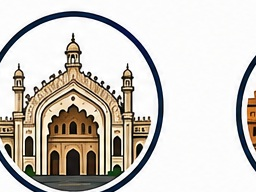
Lucknow
See what's happening
Browse topics · 32
Lucknow
Basic informationOpen ↗
| Attribute | Detail | | :--- | :--- | | Official Name | Lucknow District | | Common Name | Lucknow | | Native Name(s) | लखनऊ (Hindi), لکھنؤ (Urdu) | | Nicknames | City of Nawabs, Shiraz-i-Hind, The Golden City of the East | | Motto | _Data not readily available for this location._ | | Geographic Level | District (and City) | | Country | India | | State/Province | Uttar Pradesh | | Capital | Lucknow (Serves as both District and State Capital) | | Government Type | District Administration / Municipal Corporation | | Date Founded | Ancient origins; modern administrative district formed in 1856 | | Time Zone | IST (UTC+5:30) | | Latitude | 26.8467° N | | Longitude | 80.9462° E | | Elevation | ~123 meters (403 feet) | | Total Area | 2,528 sq km (District) | | Population | 4,589,838 (2011 Census) | | Population Density | ~1,816 per sq km (2011) | | ZIP/Postal Codes | 226001–226028 (and others) | | Area Codes | +91 522 | | Official Languages | Hindi, Urdu | | Currency | Indian Rupee (INR) | | Demonym | Lucknowite, Lakhnavi |
OverviewOpen ↗
Lucknow, the capital city and central district of the Indian state of Uttar Pradesh, is a vibrant metropolis that seamlessly bridges its regal past with rapid modern development. Situated on the banks of the Gomti River, it is the cultural heart of the Awadh (Oudh) region, famous worldwide for its refined courtly manners (known as *Tehzeeb*), distinctive poetry, and monumental architecture.
The city is celebrated for its rich culinary heritage, particularly Awadhi cuisine—which includes legendary dishes like Galouti kebabs and Dum biryani—as well as its intricate traditional crafts, most notably *Chikankari* embroidery. Beyond its historical charm, contemporary Lucknow is a major administrative, educational, and economic hub in northern India. It boasts expansive IT parks, highly regarded medical and educational institutions, and modern infrastructure like the Lucknow Metro and vast expressways, cementing its status as one of India's fastest-growing Tier-2 cities.
HistoryOpen ↗
Lucknow’s history is steeped in legend, with popular folklore tracing its origins to Lakshmana, the brother of Lord Rama, who is said to have founded a settlement known as Lakshmanpur. The region was part of the ancient Kosala kingdom before passing through various medieval empires, including the Delhi Sultanate and the Mughals.
The city entered its golden age in 1775 when Nawab Asaf-ud-Daula shifted the capital of the Awadh region from Faizabad to Lucknow. Under the Nawabs, Lucknow flourished as an unparalleled center for arts, literature, dance (Kathak), and architecture. Iconic structures like the Bara Imambara and Rumi Darwaza were built during this period to provide famine relief and showcase architectural grandeur.
In 1856, the British East India Company annexed Awadh, exiling the last Nawab, Wajid Ali Shah. This sparked deep resentment, making Lucknow a focal point of the 1857 Indian Rebellion (the First War of Independence). The Siege of Lucknow, particularly around the British Residency, became one of the most famous episodes of the uprising. Following independence in 1947, Lucknow became the capital of Uttar Pradesh. Throughout the 20th and 21st centuries, it has expanded rapidly, evolving from a traditional bureaucratic city into a dynamic center for commerce, technology, and governance.
GeographyOpen ↗
Lucknow district is located in the central part of Uttar Pradesh, nestled in the heart of the Awadh region. It is entirely situated within the fertile Indo-Gangetic Plain. The district is bounded by Barabanki district to the east, Unnao to the west, Raebareli to the south, and Sitapur and Hardoi to the north.
The defining geographical feature of the district is the Gomti River, a tributary of the Ganga, which meanders through the city, dividing it into the trans-Gomti and cis-Gomti regions. Several smaller waterways, including the Kukrail drainage system, feed into the river. Because it lies in a vast alluvial plain, the region lacks significant natural forests or mineral deposits, but it boasts highly fertile soil suitable for intensive agriculture.
TopographyOpen ↗
The topography of Lucknow is remarkably flat, characteristic of the Indo-Gangetic plain. The average elevation is approximately 123 meters (403 feet) above sea level. The terrain slopes gently from the northwest to the southeast, dictating the natural flow of the Gomti River.
There are no mountains, plateaus, or significant hills within the district. The landscape consists entirely of alluvial plains and river basins. The floodplains immediately adjacent to the Gomti River are occasionally susceptible to waterlogging during heavy monsoons, though modern embankments have largely mitigated severe flooding in urban areas.
Weather & climateOpen ↗
Lucknow features a humid subtropical climate (Köppen climate classification: *Cwa*), characterized by distinct seasons: a scorching summer, a wet monsoon, and a cool, dry winter.
Summers (April to June) are intensely hot and dry, with average high temperatures regularly exceeding 40°C (104°F) and hot dry winds known as the *Loo* blowing through the region. The monsoon season (July to September) brings high humidity and the bulk of the city’s annual rainfall, which averages around 896 mm (35 inches). Winters (December to February) are cool and pleasant, with temperatures often dropping to 5–8°C (41–46°F) at night, frequently accompanied by dense morning fog. The best time to visit Lucknow is between October and March when the weather is mild and comfortable.
PopulationOpen ↗
According to the 2011 Census, the population of the Lucknow district was 4,589,838, making it one of the most populous districts in Uttar Pradesh. The urban agglomeration has grown rapidly since then, fueled by migration from surrounding rural districts, with current estimates placing the metropolitan population well over 3.5 million.
The demographic makeup of Lucknow is characterized by a Hindu majority (approx. 71%) and a significant Muslim minority (approx. 26%), with smaller communities of Sikhs, Christians, and Jains. The city is celebrated for its communal harmony, often referred to as *Ganga-Jamuni Tehzeeb*. Hindi and Urdu are the primary spoken languages, alongside Awadhi, the regional dialect. The district maintains a strong literacy rate of around 77%, significantly higher than the state average, reflecting its status as an educational hub.
GovernmentOpen ↗
Lucknow's governance is split between district administration, municipal management, and its role as the state capital. The district is headed by a District Magistrate (DM), an IAS officer responsible for revenue collection, land administration, and disaster management. Law and order is overseen by the Lucknow Police Commissionerate, led by a Commissioner of Police.
Civic administration in the urban core is handled by the Lucknow Municipal Corporation (LMC), which is headed by a Mayor and a Municipal Commissioner. The LMC manages public health, sanitation, local roads, and water supply. As the capital of Uttar Pradesh, Lucknow is home to the Vidhan Bhavan (State Legislative Assembly) and the Secretariat, housing the Governor, Chief Minister, and state bureaucracy.
EconomyOpen ↗
Historically an administrative and trading center, Lucknow's economy has diversified significantly into the services, IT, healthcare, and retail sectors. As the capital of India's most populous state, government services and administration remain significant employers.
In recent years, the city has emerged as an appealing Tier-2 IT destination, supported by government initiatives to attract tech investments. The presence of specialized technology parks (such as HCL IT City) has spurred real estate and commercial growth. The city is also a major distribution hub for agricultural products and retains a robust traditional manufacturing sector. The cost of living in Lucknow is relatively moderate compared to major metropolises like Delhi or Mumbai, though property values and lifestyle costs are rising with increased modernization.
IndustriesOpen ↗
* Information Technology & BPO: Growing presence of IT companies in Gomti Nagar and specialized IT SEZs. * Traditional Handicrafts: A massive informal economy revolves around *Chikankari* (embroidery) and *Zardozi*, employing hundreds of thousands of artisans. * Aeronautics and Defense: Hindustan Aeronautics Limited (HAL) has a major manufacturing division here, and the city is a node in the UP Defense Corridor. * Healthcare & Pharmaceuticals: A major medical hub for northern India, drawing patients for specialized treatments. * Food Processing: Proximity to fertile agricultural lands supports a thriving food processing and packaging industry. * Real Estate & Construction: Booming sector driven by residential township expansion and infrastructure projects.
AgricultureOpen ↗
While the immediate city is heavily urbanized, the wider Lucknow district maintains a robust agricultural profile. The region benefits from the fertile alluvial soil of the Indo-Gangetic plain. Major crops include wheat, paddy (rice), sugarcane, mustard, and potatoes.
The district is most famous for its horticulture, specifically the Malihabad tehsil, which is internationally renowned for producing the *Dasheri* mango, a highly sought-after variety. Floriculture, poultry, and dairy farming are also significant contributors to the rural economy, supplying the immense daily consumption needs of the state capital.
HousingOpen ↗
The housing market in Lucknow is characterized by rapid expansion and a blend of old and new. The city center and older areas (like Chowk and Aminabad) feature traditional courtyard homes and dense, historic architecture. Surrounding the center are sprawling, tree-lined neighborhoods built in the mid-to-late 20th century, offering independent bungalows and row houses.
Over the last two decades, the focus of real estate development has shifted outward, particularly to the east and south (Gomti Nagar Extension, Shaheed Path, and Sushant Golf City). These areas feature massive modern townships, luxury condominiums, and gated communities. While rental and purchase prices in prime areas are high, the outskirts offer numerous affordable housing schemes supported by state and private developers.
NeighborhoodsOpen ↗
* Hazratganj: The commercial and retail heart of the city, famous for its Victorian architecture, premium shopping, and cafes. * Gomti Nagar: A vast, affluent planned residential and commercial hub; it houses IT parks, massive malls, and the High Court. * Chowk: The cultural epicenter of Old Lucknow, known for its historic gates, traditional Awadhi street food, and Chikankari markets. * Aminabad: One of the oldest and busiest bustling markets, famous for clothing, jewelry, and iconic eateries like Tunday Kababi. * Indira Nagar: Historically one of Asia’s largest residential colonies, featuring a mix of independent houses and dense commercial streets. * Cantonment: The expansive, verdant military base area offering a quiet, clean, and highly regulated environment with colonial-era bungalows.
TransportationOpen ↗
Lucknow is highly connected by air, rail, and road. The Chaudhary Charan Singh International Airport (LKO) handles significant domestic and international traffic, particularly to the Middle East. The city is a major railway junction, with Lucknow Charbagh (LKO) and Lucknow Junction (LJN) serving as grand, historic hubs, complemented by the modernized Gomti Nagar station.
For road transport, the city is connected to major hubs via world-class expressways, including the Agra-Lucknow Expressway and Purvanchal Expressway. Public transit within the city is anchored by the Lucknow Metro (the Red Line is fully operational), a comprehensive network of electric and CNG city buses, auto-rickshaws, and ubiquitous ride-sharing services (Ola, Uber). E-rickshaws dominate last-mile connectivity in denser neighborhoods.
InfrastructureOpen ↗
Lucknow’s infrastructure has seen massive upgrades to support its growing population. Electricity is supplied by the Uttar Pradesh Power Corporation Limited (UPPCL), with the local utility (LESA) managing distribution. The Jal Sansthan handles municipal water supply and sewage, with ongoing projects to expand piped water to newer townships and treat wastewater before it enters the Gomti River.
Telecommunications infrastructure is robust, with universal 4G and widespread 5G cellular coverage provided by all major Indian telecom operators. High-speed fiber broadband is highly accessible across the urban and suburban landscape. Recent infrastructure pushes have also focused on smart city initiatives, including integrated traffic management systems and public Wi-Fi zones.
EducationOpen ↗
Lucknow has been an esteemed educational center since the colonial era and continues to host several premier institutions across various disciplines.
* University of Lucknow: One of the oldest government-owned universities in India, established in 1920. * King George's Medical University (KGMU): A globally recognized, historic medical school and hospital. * Indian Institute of Management Lucknow (IIM-L): One of the top management schools in the country. * Sanjay Gandhi Postgraduate Institute of Medical Sciences (SGPGIMS): A premier medical institute dedicated to specialized tertiary care and research. * Dr. A.P.J. Abdul Kalam Technical University (AKTU): The central affiliating university for technical education across the state. * La Martiniere College: Founded in 1845, it is one of India's most prestigious and historic private schools. * City Montessori School (CMS): Recognized by the Guinness Book of World Records as the world's largest school by pupil strength.
HealthcareOpen ↗
Lucknow serves as a major medical hub for Uttar Pradesh and neighboring states, offering a mix of premier government institutes and private hospitals.
Major Medical Institutions: * King George's Medical University (KGMU): One of India's oldest and most prestigious medical schools and hospitals. * Sanjay Gandhi Postgraduate Institute of Medical Sciences (SGPGIMS): A premier medical institute offering super-specialty care and research. * Dr. Ram Manohar Lohia Institute of Medical Sciences (RMLIMS): A prominent state-run super-specialty hospital.
Private Healthcare: * Medanta Hospital: A massive, modern multi-specialty facility located in the Sushant Golf City area. * Apollo Medics Super Speciality Hospital: Provides advanced critical care and specialized treatments. * Sahara Hospital: A major private hospital located in Gomti Nagar.
Pharmacies (often called "medical stores") are densely distributed across the district, with many operating 24/7 near major hospitals. Traditional medicine, including Ayurveda and Unani dispensaries, is also widely accessible.
Emergency servicesOpen ↗
Emergency services in Lucknow are integrated under India's national emergency response system.
Emergency Numbers: * Universal Emergency (Police, Fire, Medical): 112 * Police: 100 * Fire Brigade: 101 * Ambulance: 102 (Pregnancy/Infant care) and 108 (General emergency)
Infrastructure: Lucknow is the headquarters of the Uttar Pradesh Police, operating out of the distinctive "Signature Building." The city is also a primary base for the State Disaster Response Force (SDRF), which manages regional natural disasters such as floods, alongside the National Disaster Response Force (NDRF) battalions stationed nearby.
BusinessesOpen ↗
Lucknow's economy is a blend of traditional craftsmanship, government services, and emerging IT and manufacturing sectors.
Traditional Industries: * Chikankari & Zardozi: Lucknow is globally renowned for its traditional shadow-work embroidery (Chikankari), which holds a Geographical Indication (GI) status. The Chowk and Aminabad markets are historic hubs for these textiles.
Modern Business Districts: * Hazratganj: The traditional commercial and retail heart of the city, known for its Victorian-style walkways. * Gomti Nagar & Gomti Nagar Extension: The modern business district housing IT parks, corporate offices, and commercial high-rises.
Emerging Sectors: * IT & ITeS: The development of IT City (Chak Ganjaria) has brought major tech companies to the district. * Aerospace & Defense: As part of the UP Defense Corridor, Lucknow is expanding its manufacturing base, anchored historically by Hindustan Aeronautics Limited (HAL).
Restaurants & foodOpen ↗
Lucknow is famous across the subcontinent for its Awadhi cuisine, developed under the patronage of the Nawabs. It is characterized by slow-cooking (Dum Pukht) and the extensive use of rich spices, saffron, and nuts.
Signature Dishes: * *Galouti Kebab:* Melt-in-the-mouth minced meat kebabs, traditionally made with over 100 spices. * *Awadhi Biryani:* A fragrant, mildly spiced rice dish cooked with meat. * *Nihari Kulcha:* A slow-cooked meat stew served with fluffy, tandoor-baked flatbread. * *Basket Chaat:* A crispy potato basket filled with yogurt, chutneys, and spices. * *Malai Ki Gilori:* A sweet made from thin layers of milk cream.
Iconic Eateries: * Tunday Kababi (Chowk and Aminabad): Legendary for its Galouti kebabs. * Rahim's: Famous for its Nihari and Kulcha. * Idris Biryani: A modest eatery celebrated for its traditional mutton biryani. * Royal Cafe (Hazratganj): The birthplace of the famous Basket Chaat. * Prakash Kulfi (Aminabad): Renowned for its traditional Indian ice cream.
TourismOpen ↗
Tourism in Lucknow is driven by its rich architectural heritage, largely dating back to the Nawabi era and the British Raj.
Historic Landmarks: * Bara Imambara: A colossal religious complex built by Nawab Asaf-ud-Daula in 1784. It is famous for the *Bhool Bhulaiya*, an intricate labyrinth located above the main hall, which is one of the largest arched structures in the world without beams. * Chhota Imambara: Known as the Palace of Lights, renowned for its stunning chandeliers and intricate decorations. * Rumi Darwaza: An imposing gateway built in the Awadhi architectural style, often serving as the symbol of Lucknow. * The Residency: A sprawling complex of ruins that served as the residence of the British Resident General. It was a key site during the 1857 Uprising (Sepoy Mutiny) and still bears cannonball marks. * Chattar Manzil: The "Umbrella Palace," once a residence for the rulers of Awadh. * Husainabad Clock Tower: India's tallest clock tower, reflecting Victorian-Gothic styles.
RecreationOpen ↗
Recreation in Lucknow spans modern sports complexes, traditional leisure spots, and vibrant community spaces.
* Golf: The Lucknow Golf Club offers an 18-hole course with a rich history dating back to the British era. * Water Recreation: Boating and riverside walks are popular along the Gomti Riverfront. * Family Entertainment: The city features numerous modern malls with multiplexes and gaming zones, such as Phoenix Palassio and Lulu Mall (one of the largest in India). * Clubs: Historic institutions like the Mohammed Bagh Club and the Oudh Gymkhana Club remain active centers for local recreation and socializing.
Parks & natureOpen ↗
Despite its urban density, Lucknow has prioritized the development of massive urban parks and green belts.
* Janeshwar Mishra Park: Modeled after Hyde Park in London, this is one of Asia's largest urban parks, featuring lakes, jogging tracks, cycling paths, and a real MiG-21 aircraft display. * Kukrail Reserve Forest: An urban forest on the city's outskirts that serves as a picnic spot and houses a captive breeding center for the endangered Gharial (a fish-eating crocodile) and turtles. * Ambedkar Memorial Park: While more of an architectural monument made of red sandstone, its vast open spaces and grand elephant statues make it a major public gathering area. * Nawab Wajid Ali Shah Zoological Garden (Lucknow Zoo): A historic zoo established in 1921, home to a wide variety of wildlife and a vintage toy train. * Dr. Ram Manohar Lohia Park: A popular green space in Gomti Nagar featuring lush lawns, walking tracks, and musical fountains.
Rivers, lakes & waterwaysOpen ↗
The Gomti River The primary waterway of the district is the Gomti River, a tributary of the Ganges. The river physically and culturally divides the city into the older "Cis-Gomti" (including Chowk and Aminabad) and the newer "Trans-Gomti" (including Gomti Nagar) areas. The Gomti Riverfront Development project has created landscaped promenades along its banks.
Other Water Bodies: * Kukrail Nala: A small stream that flows through the Kukrail Reserve Forest before joining the Gomti. * Sharda Canal: A major irrigation canal network that passes through the outskirts of the Lucknow district.
Arts & cultureOpen ↗
Lucknow is the cultural capital of Uttar Pradesh, historically celebrated for its *Tehzeeb* (etiquette and manners).
Performing Arts: * Kathak: The city is the birthplace of the Lucknow Gharana of Kathak, a classical Indian dance form characterized by graceful movements and expressive storytelling. * Music: Lucknow has a rich tradition of Thumri, Dadra, and Ghazal singing. * Institutions: The Bhatkhande Sanskriti Vishwavidyalaya is one of India's premier music universities.
Literature and Craft: * Poetry: The city has a deep-rooted tradition of Urdu poetry (Shayari) and mushairas (poetic symposiums). * Craftsmanship: Beyond Chikankari, the city is known for bone carving, Zardozi (gold and silver wire embroidery), and Ittar (traditional perfumes).
ReligionOpen ↗
Lucknow has a diverse religious demographic, predominantly Hindu, with a very significant Muslim minority (both Shia and Sunni communities), alongside Sikh, Christian, and Jain populations.
Key Religious Sites: * Hindu Temples: Mankameshwar Mandir (an ancient Shiva temple), Chandrika Devi Temple (situated on the banks of the Gomti), and the Hanuman Setu Temple. * Islamic Sites: The Bara Imambara and Chhota Imambara are central to the Shia community, especially during Muharram. The Jama Masjid and Asafi Mosque are prominent places of worship. * Islamic Learning: Nadwatul Ulama is one of the most prominent Islamic seminaries in India. * Other Faiths: Gurudwara Yahiyaganj is a historic Sikh shrine. The All Saints Garrison Church and St. Joseph's Cathedral serve the local Christian community.
SportsOpen ↗
Lucknow has rapidly developed its sports infrastructure over the last decade.
* Cricket: The Bharat Ratna Shri Atal Bihari Vajpayee Ekana Cricket Stadium is a state-of-the-art facility with a capacity of 50,000. It hosts international matches and is the home ground for the IPL franchise, the Lucknow Super Giants (LSG). The older K.D. Singh Babu Stadium also remains a historic venue in the city center. * Badminton: The BBD Uttar Pradesh Badminton Academy in Gomti Nagar is a premier facility that frequently hosts national and international tournaments (like the Syed Modi International). * Hockey: The Padma Shri Mohammad Shahid Synthetic Hockey Stadium provides international-standard astroturf facilities.
EventsOpen ↗
The district's calendar is punctuated by cultural, religious, and literary events.
* Lucknow Mahotsav: A major annual festival (typically in winter) celebrating Awadhi culture, food, music, and crafts. * Muharram: The period of mourning is observed with immense reverence in Lucknow. The Azadari (processions) of Lucknow are famous globally for their scale and deep historical roots. * Sanatkada Festival: An annual heritage festival celebrating the history, crafts, and food of Awadh. * Festivals: Diwali, Eid, Holi, and Dussehra are celebrated with great fervor, reflecting the city's syncretic culture.
MediaOpen ↗
Lucknow is a major media hub for Northern India.
* Print: Major Hindi dailies include *Dainik Jagran*, *Amar Ujala*, and *Hindustan*. Prominent English dailies include *The Times of India*, *Hindustan Times*, *The Pioneer*, and *The Indian Express*. Urdu dailies like *Inquilab* and *Roznama Rashtriya Sahara* are also widely read. * Television & Radio: The city hosts regional headquarters for national news channels and the state broadcaster, Doordarshan UP. All India Radio (AIR) Lucknow is a historic broadcasting center. Several private FM stations operate here, including Radio Mirchi, Red FM, and Big FM.
Prominent personalitiesOpen ↗
* Nawab Wajid Ali Shah: The last King of Awadh, a major patron of the arts, music, and the Kathak dance form. * Atal Bihari Vajpayee: Former Prime Minister of India; represented the Lucknow constituency in the Lok Sabha for several terms. * Pandit Birju Maharaj: Legendary Kathak dancer and master of the Lucknow Kalka-Bindadin Gharana. * Mir Babar Ali Anis: Renowned 19th-century Urdu poet known for his Marsiyas (elegies). * Naushad Ali: One of the most prominent music directors in the history of Indian cinema. * Javed Akhtar: Acclaimed poet, lyricist, and screenwriter with strong familial and educational roots in the city. * Cliff Richard: Famous British pop singer who was born in Lucknow in 1940.
Notable companiesOpen ↗
Major Employers and Notable Companies: * Sahara India Pariwar: The multinational conglomerate was historically headquartered in Lucknow. * Hindustan Aeronautics Limited (HAL): Operates a major Accessories Division plant in the district. * Tata Motors: Operates a significant commercial vehicle manufacturing plant. * HCL Technologies: A major anchor tenant in Lucknow's IT City, employing thousands in software development and ITeS. * Tata Consultancy Services (TCS): Operates a large delivery center in Awadh Park, Gomti Nagar. * PTC Industries: A leading manufacturer of advanced metal components for aerospace and defense.
Sister citiesOpen ↗
_Data not readily available for this location._