Kerala
See what's happening
Browse topics · 31
Kerala
Basic informationOpen ↗
| Field | Information | |---|---| | Official Name | State of Kerala | | Common Name | Kerala | | Native Name(s) | കേരളം (Malayalam) | | Nicknames | *God's Own Country*; *Land of Coconuts* | | Motto | _Data not readily available for this location._ | | Geographic Level | State | | Country | India | | State/Province | Kerala | | Capital | Thiruvananthapuram | | Government Type | Parliamentary representative democratic state within the federal Republic of India | | Date Founded | 1 November 1956 (formation of the modern state under the States Reorganisation Act) | | Time Zone | Indian Standard Time (IST, UTC+5:30) | | Latitude | Approximately 10.8505° N | | Longitude | Approximately 76.2711° E | | Elevation | Ranges from sea level along the Arabian Sea coast to more than 2,600 m in the Western Ghats | | Total Area | 38,863 sq km | | Population | 33,406,061 (2011 Census of India); later estimates are higher | | Population Density | About 860 people per sq km (2011 Census basis) | | ZIP/Postal Codes | Uses Indian PIN codes; major ranges in Kerala begin with 67xxxx, 68xxxx, and 69xxxx | | Area Codes | Uses Indian telephone system; major STD codes include 0471 (Thiruvananthapuram), 0484 (Kochi), 0495 (Kozhikode) | | Official Languages | Malayalam; English is widely used for administration and education | | Currency | Indian Rupee (INR) | | Demonym | Keralite |
OverviewOpen ↗
Kerala is a state on the southwestern Malabar Coast of India, facing the Arabian Sea and backed inland by the Western Ghats. It is widely known for its high social development indicators, long coastline, backwaters, monsoon landscapes, distinctive cuisine, and a strong literary and political culture. The state is also notable for its large global diaspora, especially in the Gulf countries, whose remittances have had an important effect on the economy and society.
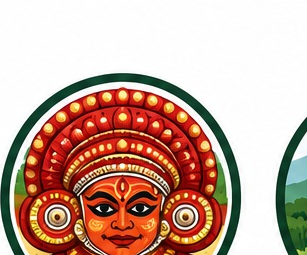
The state matters nationally and internationally for several reasons. Kerala has often been studied for its comparatively high literacy, life expectancy, public health performance, and social welfare systems relative to much of India. It is also one of India's most recognizable tourism destinations, associated with houseboats, beaches, Ayurveda traditions, hill stations, wildlife reserves, and cultural forms such as Kathakali, Mohiniyattam, Theyyam, Kalaripayattu, and temple festivals.
Economically, Kerala has a mixed base that includes services, tourism, trade, fisheries, agriculture, information technology, education, and healthcare. Ports such as Kochi have long connected the region to the wider Indian Ocean world. Historically famous for black pepper and spices, Kerala has for centuries attracted traders from West Asia, Europe, and elsewhere, helping shape a plural society with important Hindu, Muslim, and Christian communities.
Modern Kerala is both urbanizing and regionally diverse. The coastal belt, midlands, and high ranges differ sharply in landscape and livelihoods, while major cities such as Thiruvananthapuram, Kochi, and Kozhikode anchor administration, commerce, education, and culture.
HistoryOpen ↗
Kerala's history stretches back deep into antiquity, though the precise chronology of early polities is reconstructed from literary, archaeological, and inscriptional evidence. The region was historically inhabited by diverse communities, including Indigenous and tribal peoples in the forested and hill regions. Ancient Kerala formed part of the wider Tamilakam cultural zone, and early classical sources refer to the Chera realm as a major political and trading power on India's southwestern coast.
By the early historic period, Kerala was deeply involved in Indian Ocean trade. The Malabar Coast became famous for spices, especially black pepper, attracting merchants from the Mediterranean, Arabia, Persia, and later China. Ports such as Muziris are frequently cited in historical discussions of Roman-era trade. These commercial links also contributed to the early arrival of Christianity, Judaism, and Islam in the region. Kerala preserves long-standing traditions of Saint Thomas Christians, old Jewish settlements centered historically around Kochi, and some of the earliest Muslim communities in South Asia linked to Arab traders.
Over the medieval period, Kerala was divided among several kingdoms and chieftaincies, including the Chera Perumals and later powers such as Venad, Kozhikode under the Zamorins, Kolathunad, and Cochin. Society developed complex agrarian, temple, and caste institutions, while literature and performing arts flourished. Maritime trade remained central to prosperity and to political competition among coastal rulers.
European intervention began with the arrival of the Portuguese at the end of the 15th century, following Vasco da Gama's landing at Kappad near Kozhikode in 1498. The Portuguese sought control over the spice trade and established forts and alliances, but faced resistance from local rulers, especially the Zamorin of Calicut. In later centuries the Dutch and then the British became major powers along the coast. The kingdom of Travancore emerged as a strong regional state in the 18th century under Marthanda Varma, who consolidated territory and defeated regional rivals.
Under British rule, the area that is now Kerala was divided mainly among the princely states of Travancore and Cochin and the Malabar District of the Madras Presidency. The 19th and early 20th centuries saw major social and educational changes, missionary activity, agrarian transformations, and reform movements led by figures such as Sree Narayana Guru, Ayyankali, Chattampi Swamikal, and others. These movements challenged caste exclusion and helped shape Kerala's later social development.
The region also played a role in India's nationalist movement and in labor, peasant, and socialist politics. After Indian independence in 1947, Travancore and Cochin merged into Travancore-Cochin. The modern state of Kerala was formed on 1 November 1956 by combining Travancore-Cochin with the Malabar district and Kasaragod, largely on linguistic grounds for Malayalam speakers.
Kerala's modern political history is especially notable because it elected one of the world's first communist governments through the ballot box in 1957. Since then, politics has largely alternated between coalitions led by the Left Democratic Front and the United Democratic Front. Land reforms, public education, healthcare expansion, and social welfare helped define the state's development path. In recent decades, migration to the Gulf, growth in services and tourism, and recurring environmental stresses such as floods and landslides have become central features of Kerala's contemporary history.
GeographyOpen ↗
Kerala occupies a narrow but elongated strip of land on India's southwestern coast. It is bounded by the Arabian Sea to the west and the steep escarpments and high ranges of the Western Ghats to the east. To the north it borders Karnataka, and to the east and southeast it borders Tamil Nadu. This compressed geography gives the state an unusual diversity of environments within short distances.
The state is commonly described in three broad physical zones: - Coastal lowlands with beaches, estuaries, lagoons, and dense settlements. - Midlands of undulating terrain with rivers, laterite soils, mixed agriculture, towns, and plantation belts. - Highlands in the Western Ghats, including forest reserves, tea and spice plantations, wildlife habitats, and mountain peaks.
Kerala is crossed by many short but significant west-flowing rivers that descend rapidly from the Ghats to the sea. Major rivers include the Periyar, Bharathapuzha, Pamba, Chaliyar, and Chalakudy. The backwater system—especially around Vembanad Lake—is one of the state's most distinctive geographical features, linking lakes, canals, and estuaries along the coast.
The Western Ghats, a global biodiversity hotspot, dominate eastern Kerala. These mountains contain evergreen forests, shola-grassland systems, cardamom hills, and important protected areas such as Periyar Tiger Reserve, Eravikulam National Park, Silent Valley National Park, Wayanad Wildlife Sanctuary, and Parambikulam Tiger Reserve. The state has high ecological richness but also faces pressure from quarrying, settlement expansion, plantation change, flooding, and slope instability.
Kerala's climate is generally tropical and strongly influenced by the southwest monsoon and northeast monsoon. Heavy rainfall supports lush vegetation, but rainfall is uneven by district and elevation. Natural resources include forests, water, marine resources, minerals such as beach sands in some coastal stretches, and agriculturally valuable land for coconut, rubber, spices, tea, coffee, and rice.
TopographyOpen ↗
Kerala's topography changes sharply from west to east over a relatively short distance.
| Feature | Description | |---|---| | Coastal zone | A low-lying belt along the Arabian Sea with sandy beaches, lagoons, estuaries, barrier islands, and flood-prone plains | | Midlands | Rolling uplands and lateritic terrain with river valleys, paddy areas, orchards, and dense habitation | | Highlands | Mountainous Western Ghats with steep slopes, escarpments, forested ridges, plantation zones, and protected areas |
Key topographic points: - Highest point: Anamudi (about 2,695 m), in the Eravikulam area of Idukki district, is the highest peak in Kerala and the highest in peninsular India. - Lowest areas: Sea level along the Arabian Sea coast; parts of the Kuttanad region are famous for low-lying reclaimed paddy fields that lie at or below sea level. - Major hill regions: Munnar, Wayanad, Nelliyampathy, Ponmudi, Vagamon, and the Cardamom Hills. - Plateaus and uplands: Wayanad and parts of Idukki and Palakkad contain elevated plateaus and basin-like valleys. - Important pass: The Palakkad Gap, a major break in the Western Ghats, is a crucial natural corridor linking Kerala with Tamil Nadu and strongly influencing transport and climate. - Flood plains: River basins and the Kuttanad-Vembanad lowlands are especially important floodplain landscapes. - Coastal and estuarine systems: Kerala's backwaters create a distinctive low-gradient terrain with canals, islands, wetlands, and brackish-water ecosystems.
Topography has a direct effect on settlement and livelihoods. Fishing and trade are concentrated along the coast, mixed farming and towns spread through the midlands, and plantations, hydropower, and eco-tourism are associated with the high ranges.
Weather & climateOpen ↗
Kerala has a tropical monsoon climate, with heavy seasonal rainfall and generally warm temperatures through the year. Much of the state falls under Köppen Am (tropical monsoon), while some highland areas have cooler subtropical or highland conditions because of elevation.
Seasonal pattern - Summer: Roughly March to May; hot and humid in the lowlands. - Southwest monsoon: Usually June to September; the principal rainy season, especially intense along the coast and windward slopes of the Western Ghats. - Northeast monsoon / retreating monsoon: October to November; contributes additional rainfall, especially in southern districts. - Winter: December to February; generally the driest and most comfortable period, though still mild by temperate standards.
Typical temperatures - Coastal and lowland areas: Daytime temperatures often range around 28-34°C for much of the year. - Hill stations and high ranges: Significantly cooler; nights can be chilly in places such as Munnar and Wayanad.
Rainfall - Kerala is among India's wetter states, but totals vary greatly. - Windward mountain slopes receive very heavy rain. - Rainfall supports dense vegetation and agriculture but can also contribute to floods, landslides, and erosion.
Humidity - Humidity is high for much of the year, especially in coastal districts. - Conditions are more comfortable in elevated areas.
Best time to visit - December to February: Often preferred for relatively drier weather and more comfortable temperatures. - Monsoon season: Attractive for greenery and Ayurveda tourism, but heavy rain can disrupt travel. - Highlands: Pleasant through much of the year compared with the coast.
Natural hazards - Flooding during intense monsoon periods. - Landslides in hilly districts, especially after prolonged rainfall. - Coastal erosion and occasional storm-related sea impacts. - Heat stress can occur in lowland urban areas during hotter months.
Because climate varies substantially between the coast and the mountains, district-level conditions can differ more than a statewide average suggests.
PopulationOpen ↗
Kerala is one of India's most socially studied states because of its demographic profile, high literacy, and health outcomes. The 2011 Census of India recorded a population of 33,406,061. Population growth has been relatively slow compared with many other Indian states, reflecting lower fertility and a more mature demographic transition.
Demographic profile - Population distribution: Dense settlement across much of the state, especially along the coast and in the midlands. - Urbanization: Kerala has a distinctive dispersed settlement pattern; many areas classified as urban blend into semi-urban corridors rather than one dominant megacity. - Age structure: Kerala has a relatively older population profile than many Indian states, linked to lower birth rates and longer life expectancy. - Sex ratio: Historically more favorable to women than the all-India average.
Social composition - Major religious communities: Hinduism, Islam, and Christianity all have substantial populations, with district-level variation. - Languages: Malayalam is the dominant mother tongue; English is widely used in education, administration, and professional settings. Tamil, Tulu, Kannada, Konkani, and tribal languages are also present in some areas. - Scheduled Castes and Scheduled Tribes: Present across the state, with tribal populations especially concentrated in districts such as Wayanad, Idukki, and Palakkad.
Education and human development - Kerala is widely recognized for very high literacy by Indian standards. - School enrollment and public health indicators have historically been strong. - Migration, especially to Gulf countries and to other Indian metros, shapes household incomes and social mobility.
Employment and income - Employment is spread across services, trade, tourism, public sector work, construction, agriculture, fisheries, and overseas labor migration. - Remittances play a major role in many household economies. - Unemployment and underemployment, especially among educated youth, have been recurring public concerns despite strong social indicators.
Data notes A full current breakdown of age groups, income, and employment changes over time and should be checked against the latest Census releases, state economic reviews, and National Sample Survey or Periodic Labor Force Survey publications.
GovernmentOpen ↗
Kerala is a state of the Republic of India with a parliamentary democratic system operating within India's federal constitution. It has an elected legislative assembly, a governor appointed by the President of India, and a council of ministers headed by the chief minister.
State structure - Capital: Thiruvananthapuram - Head of State (state level): Governor - Head of Government: Chief Minister - Legislature: Unicameral Kerala Legislative Assembly - Judiciary: Kerala High Court, located at Ernakulam (Kochi)
Administrative divisions Kerala is divided into 14 districts: - Thiruvananthapuram - Kollam - Pathanamthitta - Alappuzha - Kottayam - Idukki - Ernakulam - Thrissur - Palakkad - Malappuram - Kozhikode - Wayanad - Kannur - Kasaragod
Below the district level are taluks, municipalities, municipal corporations, and village panchayats. Kerala is especially known for its active system of local self-government, including panchayats and urban local bodies, supported by decentralized planning initiatives.
Political culture Kerala has a highly competitive and politically aware electorate. State politics has long been dominated by two broad alliances: - Left Democratic Front (LDF) - United Democratic Front (UDF)
This alternation has shaped policy debates on welfare, education, labor, industry, and development. Kerala is also known for strong trade unions, student organizations, and civic participation.
Representation - Kerala sends elected representatives to the Lok Sabha and Rajya Sabha of India's Parliament. - Legislative assembly constituencies provide state-level representation. - Local bodies manage many everyday public services.
Public services The state government plays a central role in: - Public health systems - School education - Roads and public works - Water supply and sanitation - Police and public order - Social welfare and pensions - Agriculture, fisheries, and local development
For the most current officeholders, official state government and Election Commission sources should be checked, as leadership can change after elections or cabinet reshuffles.
EconomyOpen ↗
Kerala has a diversified economy in which services play the dominant role, alongside trade, tourism, remittances, construction, manufacturing, agriculture, and fisheries. The state's economy is unusual within India because household income and consumption have been strongly influenced by migration and overseas remittances, especially from the Gulf region.
Economic characteristics - Service-led economy: Retail, transport, education, healthcare, tourism, banking, IT-enabled services, and government employment are all important. - Remittance economy: Money sent by expatriate workers has historically supported consumption, housing, small business investment, and social mobility. - Strong human development base: High literacy and health indicators support service industries and professional employment. - Land constraints: Kerala's narrow geography and dense settlement can limit large industrial expansion compared with some other states.
Major economic centers - Kochi: Commercial capital, port city, logistics center, tourism gateway, shipbuilding and services hub. - Thiruvananthapuram: Administrative capital, education center, IT and research hub. - Kozhikode: Major northern trade, healthcare, and education center. - Thrissur: Important for finance, culture, jewelry trade, and business services.
Key sectors - Tourism and hospitality - Information technology and knowledge services - Healthcare and medical tourism - Trade and logistics - Construction and real estate - Agriculture and plantations - Fisheries and seafood exports - Education and training
Income and cost of living - Household wellbeing is often higher than raw state output figures alone may suggest because of remittance support. - Cost of living varies sharply: major urban areas such as Kochi and Thiruvananthapuram are generally more expensive than smaller towns and rural areas. - Housing, land values, and wage patterns can be comparatively high in many parts of the state.
Major employers and institutions Important employers include: - State government and public sector institutions - Educational and healthcare institutions - Port- and logistics-related businesses in Kochi - IT parks such as Technopark and Infopark-associated firms - Tourism, hospitality, and retail enterprises
Development outlook Kerala's future growth discussions often focus on: - Knowledge economy and startups - Port-led development and logistics - Sustainable tourism - Value-added food processing and marine exports - Renewable energy and resilient infrastructure - Managing aging, migration, and environmental risk
State GDP figures change annually and should be verified from recent Kerala Economic Review documents and Government of India statistical releases.
IndustriesOpen ↗
- Tourism and hospitality — One of Kerala's most visible industries, built around backwaters, beaches, Ayurveda, wildlife, hill stations, and cultural tourism. It supports hotels, transport, handicrafts, and food services.
- Information technology — Centered on hubs such as Technopark in Thiruvananthapuram, Infopark in Kochi, and Cyberpark in Kozhikode. The sector includes software services, IT-enabled services, startups, and digital support functions.
- Healthcare — A major industry tied to hospitals, specialty care, nursing, diagnostics, medical education, and medical tourism. Kerala's health infrastructure gives this sector statewide importance.
- Education and training — Schools, colleges, universities, coaching institutions, and professional education are major employers and shape migration and workforce development.
- Fisheries and seafood processing — Marine and inland fisheries support livelihoods, exports, cold storage, boat building, and seafood processing units, especially in coastal districts.
- Agriculture and plantations — Rubber, coconut, spices, tea, coffee, banana, and rice remain economically and culturally important, though the sector faces land and labor pressures.
- Trade and logistics — Ports, warehousing, wholesale trade, retail networks, and import-export services are especially significant in Kochi and other urban centers.
- Construction and real estate — Fueled by urbanization, remittance investment, commercial development, and infrastructure projects; also linked to migrant labor flows from other Indian states.
- Coir and traditional industries — Coir, cashew processing, handloom, handicrafts, and small-scale village industries remain historically important in several districts.
- Manufacturing and shipbuilding — Kerala is not among India's largest heavy manufacturing states, but it has notable activity in food processing, chemicals, rubber-based products, electronics, and shipbuilding, especially around Kochi.
- Finance and banking services — Kerala has a strong cooperative banking tradition, active gold and jewelry trade financing, and broad use of banking services across urban and rural areas.
- Media and publishing — A literate population and strong public discourse support newspapers, television, digital media, film, and publishing industries.
AgricultureOpen ↗
Agriculture in Kerala is shaped by heavy rainfall, varied elevation, small landholdings, and the division between coastal lowlands, midlands, and high ranges. The state produces a mix of food crops, plantation crops, horticulture, and high-value spices.
Major crops - Coconut — One of Kerala's iconic crops and strongly tied to cuisine, coir, oil, and rural livelihoods. - Rubber — A major plantation crop, especially in central Kerala. - Rice (paddy) — Grown in lowland regions, including the well-known Kuttanad paddy fields. - Black pepper — Historically famous and still a major spice crop. - Cardamom — Important in the high ranges, especially the Idukki region. - Tea — Produced in hill areas such as Munnar. - Coffee — Grown in Wayanad and other upland districts. - Arecanut, cashew, banana, tapioca, ginger, turmeric, cocoa, nutmeg, clove, and vanilla — Also important in different agro-climatic zones.
Livestock and allied sectors - Dairy, poultry, and small-scale livestock rearing contribute to household income. - Goat rearing and backyard animal husbandry are present in many rural areas. - Feed costs and land limitations affect expansion.
Fisheries - Marine fisheries are crucial along the coast. - Inland fisheries and aquaculture also matter, including brackish-water systems and backwater-based livelihoods. - Fish is both an economic staple and an important part of the local diet.
Forestry - Forested highland regions provide ecological services and limited forest-based livelihoods. - Commercial forestry is constrained by conservation priorities in many areas.
Food production issues - Kerala relies significantly on imports from other Indian states for some staple food needs. - Fragmented holdings, labor costs, wildlife conflict in hill districts, climate variability, and flood damage are recurring challenges.
Organic and sustainable farming - There has been continuing public interest in organic farming, safe-to-eat produce, and local-value agriculture. - Spice, vegetable, and homestead farming often feature in sustainability initiatives, though adoption varies by district and crop.
HousingOpen ↗
Housing in Kerala reflects the state's dispersed settlement pattern, strong remittance economy, and preference in many areas for owner-occupied homes. Detached houses are common across rural and semi-urban landscapes, while apartments and gated developments are increasingly important in major cities.
General market characteristics - Owner-built homes: A defining feature of Kerala's settlement pattern, often on small family plots. - Remittance influence: Overseas income has historically financed house construction and upgrades. - Urban apartment growth: Strongest in Kochi, Thiruvananthapuram, Kozhikode, and parts of Thrissur. - Land scarcity: In dense districts, limited land supply can push up plot prices.
Common housing types - Single-family homes in rural and peri-urban areas - Apartments and condominiums in larger cities - Traditional courtyard or vernacular homes in some older settlements - Mixed-use buildings in town centers
Regional variation - Kochi metropolitan area: Strong apartment market, commercial real estate demand, and waterfront-related development in some areas. - Thiruvananthapuram: Administrative and IT-driven housing demand, including apartments near employment corridors. - Hill districts: Housing is shaped more by terrain and smaller town centers than by large vertical development. - Coastal zones: Settlement patterns can be dense, with added exposure to flooding and erosion risk.
Affordability and challenges - Housing costs vary widely by district, city access, and infrastructure quality. - Land registration, infrastructure access, and flood or landslide risk can affect real value. - Affordable housing remains an important public issue, especially for low-income households, fishers, scheduled communities, migrant workers, and disaster-affected residents.
Rental market - Active in major educational and employment centers. - Student housing, hostels, and short-term rentals are common in university and tourism areas. - Rental prices differ considerably between central city neighborhoods and smaller towns.
For precise current prices, city-level real estate and registration data should be consulted, as statewide averages can be misleading.
NeighborhoodsOpen ↗
Because Kerala is a state, its internal geography is better understood through major cities, urban regions, and subregional belts rather than city neighborhoods alone.
Major metropolitan and urban areas - Thiruvananthapuram — The state capital and a center of government, higher education, research, culture, and information technology. - Kochi (Ernakulam urban region) — Kerala's main commercial and port city, known for logistics, finance, tourism, shipbuilding, and a large metropolitan footprint. - Kozhikode — A historic Malabar city with strong roles in trade, healthcare, education, and food culture. - Thrissur — Often described as the cultural capital of Kerala, also important for business, festivals, and the jewelry trade. - Kollam — A coastal city with port history, cashew-linked industry, trade, and access to backwater systems. - Kannur — A northern urban center known for textiles, political history, Theyyam traditions, and nearby industrial and port-linked development.
Major regional zones - Southern Kerala — Includes Thiruvananthapuram, Kollam, Pathanamthitta, Alappuzha, and Kottayam; known for administration, backwaters, rubber belts, pilgrimage routes, and coastal settlements. - Central Kerala — Includes Ernakulam, Thrissur, Idukki, and parts of Palakkad; economically dynamic, with ports, high ranges, plantations, and cultural centers. - Northern Kerala / Malabar — Includes Malappuram, Kozhikode, Wayanad, Kannur, and Kasaragod; known for strong migration links, trade, agriculture, historical port culture, and linguistic diversity in border areas.
Distinct landscape-based regions - Kuttanad — Low-lying paddy and backwater region, famous for below-sea-level farming. - Munnar high ranges — Tea estates, tourism, and mountain landscapes. - Wayanad plateau — Forest-fringe agriculture, tribal communities, and eco-tourism. - Malabar coast — Historic trade belt with strong Islamic and maritime cultural influences. - Fort Kochi-Mattancherry — Historic urban quarter within Kochi, known for layered colonial and mercantile heritage.
These regions differ in economy, language accents, religious composition, migration history, and landscape, giving Kerala a strong sense of internal diversity despite its modest size.
TransportationOpen ↗
Kerala has a dense and active transportation network shaped by its long north-south form, narrow width, high population density, and multiple urban corridors.
Roads - National Highways run along the length of the state and connect it to Karnataka and Tamil Nadu. - State highways and local roads are extensive, though congestion is a major issue in built-up corridors. - Road travel is central to everyday movement because settlements are spread continuously across many districts.
Public transport - Buses: The backbone of public transport. Kerala State Road Transport Corporation (KSRTC) and private operators provide extensive intercity and local services. - Metro: Kochi Metro serves parts of the Kochi urban area and has become an important modern transit system. - Water Metro: Kochi Water Metro adds an innovative ferry-based urban mobility layer across the metropolitan backwater environment. - Auto-rickshaws and taxis: Widely available in towns and cities. - Rideshare/app cabs: Available in larger urban centers, though coverage varies.
Rail - Kerala is well connected by Indian Railways along the coast and through major urban centers. - Key stations include Thiruvananthapuram Central, Ernakulam Junction, Kozhikode, Thrissur, Kollam, and Kannur. - Rail is a major mode for long-distance passenger movement within the state and to the rest of India.
Airports Kerala has multiple international airports, unusual for a state of its size: - Thiruvananthapuram International Airport - Cochin International Airport - Calicut International Airport - Kannur International Airport
These are especially important because of Kerala's large migrant population and tourism economy.
Ports and waterways - Cochin Port is Kerala's most important port and one of India's major ports. - The state also has fishing harbors, minor ports, and inland waterways. - Backwaters support local boat transport in some regions and tourism more broadly.
Bicycle and walking infrastructure - Cycling exists but dedicated infrastructure is inconsistent and highly variable by city. - Walking is common, but pedestrian conditions differ greatly; some urban areas face safety and encroachment issues.
EV charging and emerging mobility - Electric mobility is expanding gradually, especially in larger cities. - Charging infrastructure is growing but remains unevenly distributed.
Key transport challenges - Congested highways and town roads - Limited urban road space - Monsoon-related damage and delays - Landslide vulnerability in hilly districts - Need for safer pedestrian and multimodal design
InfrastructureOpen ↗
Kerala's infrastructure is relatively extensive by Indian standards, though quality and capacity vary by district, terrain, and urbanization level. Dense settlement patterns make service delivery both widespread and complex.
Electricity - The state is connected to the national power grid and also has hydroelectric generation, especially from highland river systems. - Kerala State Electricity Board Limited is a major public utility actor. - Demand is influenced by household consumption, commercial growth, and seasonal conditions.
Water supply - Urban and rural water supply systems are managed through a combination of state agencies, local bodies, and household wells. - Kerala's high rainfall helps overall water availability, but seasonal shortages, contamination, and local distribution issues still occur. - Rivers, reservoirs, groundwater, and rainwater harvesting are all important.
Sewerage and sanitation - Sanitation coverage has improved over time, but sewerage networks are not uniformly developed across the state. - Septic systems remain common outside core urban areas. - Flooding can strain drainage and waste systems, especially in low-lying and densely built environments.
Solid waste management - A major public issue in many municipalities. - Local bodies have worked on decentralized waste treatment, source segregation, and improved collection, though implementation varies.
Internet and broadband - Internet penetration is relatively strong, especially in urban and educated households. - Mobile data use is widespread. - Kerala has also been noted for public efforts to expand digital access and e-governance.
Cellular networks - Major Indian telecom operators provide statewide coverage. - Coverage is generally good in most settled areas, though quality may vary in remote forested or mountainous zones.
Digital governance - Kerala has a reputation for relatively strong e-governance, digital public services, and online access to many administrative functions.
Resilience issues - Floods, coastal erosion, and landslides place stress on roads, bridges, drainage, power systems, and housing. - Climate adaptation and disaster-resilient infrastructure are increasingly important policy priorities.
EducationOpen ↗
Kerala is widely recognized for its strong educational tradition and high literacy. The state has an extensive network of public and private schools, colleges, universities, libraries, and professional institutions. Education has been closely linked to social reform, religious community initiatives, and state policy.
Major universities and higher education institutions - University of Kerala — One of the state's oldest major universities, based in Thiruvananthapuram. - Mahatma Gandhi University — A major public university headquartered in Kottayam. - University of Calicut — Serves a large part of northern Kerala. - Cochin University of Science and Technology (CUSAT) — Known for science, technology, engineering, and maritime-related fields. - Kerala Agricultural University — Important for agricultural education and research. - APJ Abdul Kalam Technological University — A key coordinating university for technical education in the state. - Indian Institute of Technology Palakkad — A nationally important engineering institute in Palakkad district. - Indian Institute of Management Kozhikode — One of India's leading management schools.
Other notable institutions - National Institute of Technology Calicut — Premier engineering and research institution. - Sree Chitra Tirunal Institute for Medical Sciences and Technology — Major medical and research institution in Thiruvananthapuram. - Central University of Kerala — Located in Kasaragod district. - Kerala University of Health Sciences — Important for medical and allied health education.
School education - Kerala has a broad network of government, aided, and unaided schools. - Public schooling, literacy programs, and community engagement have historically been central to the state's development model. - English-medium, Malayalam-medium, and other language options exist depending on institution and region.
Libraries and learning culture - Kerala has a strong library movement and reading culture. - Public libraries, school libraries, and community reading rooms are deeply embedded in many localities. - State Central Library, Thiruvananthapuram is among the state's best-known library institutions.
Vocational and professional education - Polytechnic colleges, industrial training institutes, nursing colleges, teacher-training centers, and arts and science colleges are widely distributed. - Professional migration from Kerala has long been supported by strong nursing, technical, and higher education pathways.
The state continues to face debates over graduate employability, private sector quality, research funding, and alignment between education and job creation, but its educational base remains one of its defining strengths.
Local organizationsOpen ↗
Local Organizations
Kerala has a dense civic and social sector with active neighborhood groups, religious charities, cooperatives, trade bodies, and cultural organizations.
Business and trade bodies - Kerala Chamber of Commerce and Industry (KCCI) — one of the state's longstanding business associations, based in Kochi. - Confederation of Indian Industry (CII), Kerala — industry advocacy, policy dialog, and business events. - Federation of Indian Chambers of Commerce and Industry (FICCI), Kerala State Council — business representation and networking. - Kerala Travel Mart Society — promotes the tourism sector through trade events and destination marketing. - District industries centers and local merchant associations — active across major towns and municipal areas.
Cooperative and community institutions - Kerala's cooperative movement is especially important in banking, dairy, consumer stores, and rural credit. - Kudumbashree — one of India's best-known women's community networks, working on poverty reduction, livelihoods, neighborhood groups, and local self-government participation. - Residents' associations are common in urban areas such as Kochi, Thiruvananthapuram, Kozhikode, and Thrissur.
Service and volunteer organizations - Rotary Clubs and Lions Clubs operate in many districts and support eye camps, education support, blood donation, and disaster relief. - National Service Scheme (NSS) units in colleges and universities contribute to volunteering and social campaigns. - Nehru Yuva Kendra-linked youth groups and local arts/sports clubs are active in many communities.
Faith-based and charitable organizations - Kerala's temple trusts, church dioceses, mosque committees, and religious charities play a major role in welfare, education, and health care. - Christian educational and medical institutions, Muslim charitable societies, and Hindu devaswom-linked bodies are important parts of local civil society.
Community action themes - Flood relief and disaster preparedness - Elder care and palliative care - Literacy and digital inclusion - Women's self-help groups and entrepreneurship - Migrant worker support - Environmental campaigns, including river, beach, and wetland cleanups
How residents usually connect - Through gram panchayats, municipalities, and ward-level meetings - Via school alumni associations and parent-teacher associations - Through cultural clubs tied to literature, theater, film, and classical arts - By participating in festival committees such as Onam, Thrissur Pooram, temple festivals, church feasts, and local arts events
Education statisticsOpen ↗
Education Statistics
Kerala is widely recognized as one of India's strongest-performing states in education and literacy.
Overview - Kerala has long reported the highest or among the highest literacy rates in India. - The state is frequently cited for near-universal school access, relatively strong public health links to education, and high female literacy. - Kerala's social development model is often studied for its combination of education, health, and local governance.
Commonly reported indicators | Indicator | Overview | |---|---| | Literacy | Commonly reported at around 94% or higher in Census-based and state discussions; exact figure depends on dataset and year. | | Female literacy | Among the highest in India. | | School participation | Generally high, with broad access across urban and rural areas. | | Higher education presence | Strong network of universities, colleges, engineering institutions, medical colleges, and arts/science colleges. |
Schools and public education - Kerala's school system includes government, aided, and unaided schools. - The state has historically emphasized: - public schooling - midday meals and student welfare - high female participation - widespread English exposure alongside Malayalam-medium education - Reported challenges include: - pressure on higher education admissions - graduate unemployment and underemployment - balancing public and private sector demand
Major universities and higher education institutions - University of Kerala - Mahatma Gandhi University - University of Calicut - Cochin University of Science and Technology (CUSAT) - APJ Abdul Kalam Technological University - Kannur University - Kerala Agricultural University - Kerala University of Health Sciences - Sree Sankaracharya University of Sanskrit - Indian Institute of Technology Palakkad - Indian Institute of Management Kozhikode - National Institute of Technology Calicut - Indian Institute of Science Education and Research (IISER) Thiruvananthapuram
Rankings and academic reputation - Institutions such as IIM Kozhikode, NIT Calicut, and IISER Thiruvananthapuram are regularly visible in prominent Indian higher-education rankings. - Kerala universities also have a significant presence in teacher education, nursing, medicine, and applied sciences.
Notes on educational outcomes - Kerala is often associated with: - high reading culture - strong newspaper circulation - active public libraries - high demand for professional education - large migration of skilled workers to other Indian states and abroad
Data note Some specific figures such as district-by-district graduation rates, global university ranking positions, or current literacy updates vary by source and year.
Public utilitiesOpen ↗
Public Utilities
Kerala's utility network combines state-owned electricity distribution, public water supply, local self-government services, and a mix of public and private waste systems.
Electricity - Kerala State Electricity Board (KSEB) is the main electricity utility responsible for generation, transmission, and distribution across the state. - Kerala relies on a mix of: - hydroelectric power - purchased power from the national grid - growing solar capacity - Heavy monsoon conditions can occasionally affect service continuity in some areas.
Water supply - Kerala Water Authority (KWA) is the principal public agency for drinking water supply and sewerage functions in many parts of the state. - In addition to piped water systems, many households historically used: - wells - borewells - community water sources - Urban water demand and quality management remain important policy issues, especially in fast-growing cities.
Sanitation and sewerage - Sewerage infrastructure is more developed in parts of larger urban centers than in many smaller towns and rural areas. - On-site sanitation systems, including septic tanks, remain common. - Municipal bodies oversee drainage, sanitation, and local waste handling.
Gas and cooking fuel - Piped gas availability is limited compared with some larger Indian metros, though city gas distribution projects have expanded in parts of Kerala. - Most households use LPG cylinders supplied through major Indian oil marketing companies.
Solid waste management - Waste management is handled through municipal corporations, municipalities, panchayats, and state-supported missions. - Important themes include: - source segregation - decentralized composting - plastic reduction - household-level waste treatment in some local bodies - Waste management has been a recurring public policy issue, particularly in dense urban areas.
Telecom and internet - Kerala has broad mobile coverage and relatively strong digital uptake. - Major telecom providers operate statewide. - The state has also promoted digital inclusion and public internet connectivity initiatives, including the widely reported Kerala Fiber Optic Network (K-FON) project.
Transport-related utilities - Fuel retail is widely available across cities, towns, and highways. - Electric vehicle charging infrastructure is developing, especially in larger urban centers.
Key public utility contacts to look up locally - KSEB local section office - Kerala Water Authority regional office - Municipal corporation/municipality/panchayat sanitation office - District disaster management authority during monsoon emergencies
SafetyOpen ↗
Safety
Kerala is generally regarded as one of India's safer states for residents and visitors, though safety conditions vary by place, time, and circumstance.
General safety overview - Major cities and tourist areas are usually navigable for families, solo travelers, and international visitors. - Common concerns are typically more practical than violent: - traffic safety - monsoon flooding - sea conditions at beaches - landslides in hilly areas during heavy rain - petty theft in crowded transport hubs or festival settings
Emergency numbers in India | Service | Number | |---|---| | National emergency response | 112 | | Police | 100 | | Fire and rescue | 101 | | Ambulance | 108 |
Policing and emergency services - Kerala Police manages law enforcement across districts. - Kerala Fire and Rescue Services responds to fires, rescue incidents, and disaster events. - During the monsoon, district administrations and the State Disaster Management Authority become especially important sources of alerts.
Visitor safety tips - Follow local weather and flood alerts, especially from June to September and in later northeast monsoon periods. - At beaches, obey lifeguard flags and current warnings; Arabian Sea surf can be dangerous. - In hill districts, monitor landslide advisories before road travel. - Use registered taxis, app-based cabs, or known transport operators where possible. - Keep photocopies or digital copies of identification when traveling. - Dress and behave respectfully at religious sites and during festivals.
Women travelers - Kerala is often considered comparatively comfortable for women travelers by Indian standards, especially in daylight and established tourist zones. - Normal precautions still apply: - prefer trusted transport at night - share travel details when moving between destinations - stay in reputable accommodations
Road safety - Congested roads, narrow streets, buses, motorbikes, and monsoon driving conditions can increase risk. - Pedestrians should take extra care in urban traffic. - Landslip-prone and ghat roads require caution in the rainy season.
Health and environmental safety - Heat, humidity, and dehydration can affect travelers outside the monsoon season. - Mosquito control matters, particularly after heavy rains. - Drink safe water and choose hygienic food vendors.
Disaster risk Kerala has experienced major flood and landslide events in recent years. Preparedness has become a significant public issue.
Practical safety summary - Best for visitors: stay weather-aware, road-aware, and beach-aware. - Best for residents: monitor district advisories, maintain drainage around homes, and prepare for seasonal heavy rainfall.
EnvironmentOpen ↗
Environment
Kerala is one of India's most ecologically distinctive states, with coastline, backwaters, wetlands, midlands, and the forested Western Ghats all within a relatively narrow strip of land.
Natural setting - Arabian Sea coast to the west - Western Ghats mountains to the east - Extensive rivers, lakes, estuaries, and backwaters - High biodiversity, including many endemic species in the Ghats
Protected areas and biodiversity Kerala contains nationally important wildlife and forest landscapes, including: - Periyar Tiger Reserve - Eravikulam National Park - Silent Valley National Park - Wayanad Wildlife Sanctuary - Parambikulam Tiger Reserve - Thattekad Bird Sanctuary - Other reserve forests, coastal habitats, and Ramsar-linked wetland systems
Air and water - Air quality is often better than in many heavily industrialized parts of India, though urban traffic and localized pollution affect larger cities. - Water quality varies by watershed and settlement pattern. - Key environmental concerns include: - river pollution from sewage and waste - wetland encroachment - sand mining impacts - plastic litter in waterways and beaches - groundwater stress in some areas
Climate and risk - Kerala has a tropical monsoon climate with heavy seasonal rainfall. - Environmental risks include: - flooding - landslides - coastal erosion - sea-level rise vulnerability - intense rain events linked to climate variability
Sustainability and public policy - Kerala has received attention for local-level campaigns on: - decentralized waste management - plastic reduction - biodiversity conservation - organic farming initiatives in selected areas - responsible tourism models in some destinations - Local self-governments and community missions often play an important role.
Recycling and waste - Recycling systems vary greatly by district and municipality. - Segregation at source and household composting are promoted in many areas. - Informal recovery networks also contribute to recycling streams.
Coastal and marine issues - Kerala's coast supports fisheries, ports, tourism, and dense settlement. - Environmental pressures include: - shoreline change - overfishing concerns in some sectors - marine plastic pollution - storm and monsoon impacts on fishing communities
Environmental identity Kerala's environment is central to its culture and economy: spices, paddy fields, coconut landscapes, hill plantations, forests, fisheries, and water transport all shape daily life.
Future developmentOpen ↗
Future Development
Kerala's development agenda generally focuses on infrastructure modernization, knowledge industries, tourism management, climate resilience, and quality-of-life improvements.
Major development themes - Urban transport improvements in major cities - Port-led development, especially around Kochi and the broader logistics corridor - Digital infrastructure expansion, including K-FON and e-governance systems - Airport modernization at the state's international gateways - Water metro and urban mobility innovation in the Kochi region - Industrial corridors, startups, and knowledge economy growth - Climate adaptation, flood mitigation, and resilient infrastructure
Transport and logistics - Kochi Metro expansion and connected mobility systems remain important urban priorities. - Kochi Water Metro has drawn national and international interest as a public transport project linking islands and the mainland. - Vizhinjam International Seaport near Thiruvananthapuram is one of the state's highest-profile infrastructure projects. - Highway upgrades and rail improvements continue to shape intercity movement.
Technology and innovation - Technopark, Infopark, and Cyberpark continue to anchor IT and service-sector growth. - Startup support and innovation ecosystems are promoted through state-backed agencies and incubators. - Kerala often presents itself as a location for: - digital services - health tech - education technology - tourism technology - knowledge-intensive small enterprises
Tourism development - Ongoing focus areas include: - sustainable tourism - backwater management - heritage conservation - destination infrastructure - crowd management at major pilgrimage and festival sites
Social development priorities - Employment generation, especially for youth - Skilling and entrepreneurship - Managing migration and return migration - Aging population services and health systems - Affordable urban services and housing
Environmental resilience Recent flood and landslide experiences have increased pressure for: - better watershed planning - safer hill development practices - stronger drainage and river management - coastal adaptation and disaster readiness
Economic outlook Kerala's future is often discussed in relation to a mix of: - remittance-linked consumption - services and tourism - shipping and logistics - education and health services - higher-value agriculture and food processing
Caution on project status Specific timelines, budgets, and completion schedules can change. For current status, official state departments and major infrastructure agencies are the best sources.
DemographicsOpen ↗
Demographics
Kerala's population is shaped by high literacy, long life expectancy, migration, and a relatively dense settlement pattern spread across much of the state.
Overview - Kerala is one of India's most densely settled states. - The state is known for high human development indicators and a large overseas diaspora, especially in Gulf countries. - Urban and rural distinctions can blur because settlement is widely distributed.
Demographic snapshot | Category | Summary | |---|---| | Population size | Over 33 million in the 2011 Census; current population is higher, but exact current figure depends on estimate source. | | Sex ratio | Historically among the highest in India in favor of females. | | Literacy | Among the highest in India. | | Urbanization | Significant, though Kerala's settlement pattern is more dispersed than many states. | | Migration | Strong out-migration for work, and internal in-migration from other Indian states. |
Ethnic and social composition | Group | Notes | |---|---| | Malayali majority | The dominant ethnolinguistic identity across the state. | | Scheduled Castes and Scheduled Tribes | Present statewide, with notable tribal communities especially in upland districts such as Wayanad, Idukki, and Palakkad. | | Migrant workers from other Indian states | Significant presence in construction, hospitality, manufacturing, and services. |
Religion | Religion | Notes | |---|---| | Hinduism | Largest religion statewide. | | Islam | Large and historically rooted community, especially strong in northern districts and coastal trade areas. | | Christianity | Large and influential community, especially in central Kerala and among major educational and health institutions. | | Other religions | Smaller communities including Jains, Sikhs, Buddhists, and others. |
Languages | Language | Notes | |---|---| | Malayalam | Official and dominant language. | | English | Widely used in education, administration, business, and tourism. | | Tamil, Kannada, Tulu, Konkani, Hindi, and migrant languages | Spoken in border regions, communities, and migrant networks. |
Age and household trends | Indicator | Notes | |---|---| | Aging | Kerala is often noted for a relatively older population profile compared with many Indian states. | | Family size | Smaller average family size than many parts of India. | | Life expectancy | Commonly reported as among the highest in India. |
Data caveat For the latest district-level age structure, religion, language share, and migration numbers, consult the Census of India, Kerala Economics and Statistics Department, and recent survey releases.
Interesting factsOpen ↗
Interesting Facts
- Kerala lies on India's southwestern Malabar Coast along the Arabian Sea.
- Its capital is Thiruvananthapuram, while Kochi is often seen as its main commercial hub.
- The name Kerala is commonly linked to old references associated with the land of coconuts, though etymology is debated.
- Kerala is famous for its backwaters, a network of lagoons, lakes, canals, and estuaries.
- The state is part of the Western Ghats, one of the world's biodiversity hotspots.
- Kerala is widely known for having one of the highest literacy rates in India.
- It has a long history of maritime trade with Arabs, Romans, Chinese, and Europeans.
- Black pepper, cardamom, cloves, cinnamon, and other spices helped make Kerala globally important for centuries.
- The state was central to the historic spice trade that drew Portuguese, Dutch, and British colonial interests.
- Vasco da Gama landed at Kappad near Kozhikode in 1498, a major event in world history.
- Kerala is the home of Kathakali, one of India's most famous classical dance-drama traditions.
- It is also known for Mohiniyattam, Koodiyattam, Theyyam, and other distinctive performance forms.
- Kerala's classical martial art Kalaripayattu is often described as one of the world's oldest martial traditions.
- The state has a strong tradition of Ayurveda and wellness tourism.
- Onam is Kerala's best-known festival and is celebrated across communities as a major cultural season.
- Kerala's cuisine features rice, coconut, seafood, banana, tapioca, and spices in many regional combinations.
- The state has a large global diaspora, especially in the Gulf region, deeply influencing society and the economy.
- Kerala's social development record is often discussed internationally as the Kerala model.
- The state has three major international airports serving a relatively compact region.
- Kerala has become a case study in both human development success and climate vulnerability, especially after severe floods and landslides in recent years.
FAQOpen ↗
FAQ
Q: Where is Kerala located? A: Kerala is a state in southwestern India along the Arabian Sea, bordered by Karnataka to the north and Tamil Nadu to the east.
Q: What is the capital of Kerala? A: Thiruvananthapuram is the capital city.
Q: What language is spoken in Kerala? A: Malayalam is the official and dominant language. English is also widely used.
Q: What is Kerala famous for? A: Kerala is known for backwaters, beaches, hill stations, spices, Ayurveda, high literacy, and classical arts.
Q: Is Kerala a good place to visit? A: Yes. It is one of India's best-known destinations for nature, culture, cuisine, wellness, and slow travel.
Q: What is the best time to visit Kerala? A: Many visitors prefer roughly October to March for drier weather, though the monsoon season is also valued for greenery and Ayurveda stays.
Q: Does Kerala have beaches? A: Yes. Popular coastal areas include Kovalam, Varkala, Bekal, and many fishing and port settlements along the coast.
Q: What are the backwaters? A: They are interconnected lagoons, canals, rivers, and lakes, especially associated with places like Alappuzha and Kumarakom.
Q: Is Kerala safe for tourists? A: It is generally considered one of India's safer states, though visitors should still be careful with transport, weather, and sea conditions.
Q: What is the main religion in Kerala? A: Hinduism is the largest religion, with large Muslim and Christian communities as well.
Q: What food is Kerala known for? A: Appam, puttu, fish curry, sadya, tapioca dishes, biryani, banana chips, and many coconut-based dishes.
Q: What is Onam? A: Onam is Kerala's major cultural festival, celebrated with feasts, floral designs, boat races, and community events.
Q: What are Kerala's major cities? A: Thiruvananthapuram, Kochi, Kozhikode, Thrissur, Kollam, and Kannur are among the best-known cities.
Q: Does Kerala have mountains? A: Yes. The eastern side rises into the Western Ghats, with hill areas such as Munnar, Wayanad, and Thekkady.
Q: Why is Kerala important in history? A: Its spice trade connected it to global commerce for centuries and shaped major colonial encounters.
Q: What is the literacy rate in Kerala? A: Kerala is widely reported to have the highest or among the highest literacy rates in India, commonly cited around the mid-90% range.
Q: What industries matter in Kerala? A: Tourism, services, remittance-linked consumption, shipping, fisheries, agriculture, IT, education, and health care are all important.
Q: How do people travel around Kerala? A: By state and private buses, trains, ferries, metro in Kochi, roads, and flights through multiple international airports.
Q: What environmental issues affect Kerala? A: Flooding, landslides, coastal erosion, wetland loss, waste management, and climate resilience are major concerns.
Q: Is Kerala urban or rural? A: It has both, but its settlement pattern is unusually continuous, so many areas combine features of town and countryside.
ImagesOpen ↗
Kerala skyline search Kochi waterfront and skyline search Thiruvananthapuram city landmarks search Kerala backwaters houseboats search Munnar tea plantations landscape search Varkala or Kovalam beach sunset search Fort Kochi historic buildings search Kerala temple festival and elephants search Kerala sadya traditional food search Kerala aerial view coast and backwaters search
VideosOpen ↗
Kerala travel guide video search Kerala backwaters houseboat tour video search Fort Kochi walking tour video search Munnar drone footage video search Thiruvananthapuram city tour video search Kerala history documentary search Onam festival celebration video search Thrissur Pooram festival video search Kerala street food tour video search Kerala monsoon landscape video search
MapsOpen ↗
Kerala political map search Kerala district map search Kerala terrain map Western Ghats search Kerala satellite map search Kerala road map search Kerala railway map search Kochi Metro map search Kerala backwaters navigation map search Kerala beach and coastal map search Kerala protected areas map search
Social Pulse communityOpen ↗
Social Pulse Community
Community group ideas - Neighborhood groups by district, town, ward, or apartment community - Kerala diaspora and returnee networks - Parents' groups for schools and colleges - Senior citizens support circles - Women's entrepreneurship groups linked to Kudumbashree-style initiatives - Flood preparedness and local resilience groups - Arts communities for Kathakali, Mohiniyattam, Theyyam, Carnatic music, film, and literature - Local language and Malayalam-learning groups for newcomers
Volunteer opportunities - Beach and river cleanups - Library support and reading campaigns - School mentoring and career guidance - Palliative care and elder support - Blood donation drives - Animal rescue and wildlife awareness - Monsoon disaster relief and relief logistics - Heritage conservation walks and documentation
Useful community categories - Local charities and NGOs - Mosques, temples, churches, and interfaith service groups - Food banks and community kitchens - Farmers markets and organic produce groups - Real estate listings and rentals - Jobs and classifieds - Tourism tips and neighborhood recommendations - Local history and family heritage archives - Student housing and exam-prep communities - Migrant worker support networks
Discussion topics for residents - Best public schools and colleges by district - Flood-safe housing and drainage solutions - Waste segregation and composting practices - Traffic, public transport, and commuting changes - Safe beaches and monsoon travel advice - Traditional food, recipes, and local restaurants - Festivals calendar by region - Plantation life, farming, and fisheries - Healthcare access and hospital recommendations - Startup, remote work, and business opportunities
Social Pulse features that fit Kerala well - Community calendars for Onam, temple festivals, church feasts, Eid events, arts festivals, and book fairs - Family Tree connections for Kerala's large domestic and global diaspora - Celebrate a Life memorials honoring family elders and community leaders - Local history archive for old photographs, trade history, migration stories, and neighborhood memories - Volunteer board for flood relief, blood donation, education support, and environmental campaigns
Metadata & searchOpen ↗
SEO Title: Kerala, India - Community Profile, Facts, Demographics, Safety, Environment & Travel Guide SEO Description: Explore Kerala, India with facts, demographics, safety, environment, utilities, community resources, maps, and travel essentials. Keywords: Kerala, Kerala India, Thiruvananthapuram, Kochi, Kerala demographics, Kerala tourism, Kerala safety, Kerala environment, Kerala utilities, Kerala community Hashtags: #Kerala #India #Thiruvananthapuram #Kochi #Backwaters #SouthIndia #TravelKerala #KeralaCulture #WesternGhats #Onam Alternate spellings: Keralam; State of Kerala; Kerala State Nearby locations: Tamil Nadu, Karnataka, Lakshadweep, Arabian Sea, Kochi, Kozhikode, Kollam, Alappuzha, Thrissur, Kannur Categories: State profile, Travel guide, Demographics, Infrastructure, Environment, Community Tags: backwaters, spices, western ghats, beaches, ayurveda, literacy, onam, kathakali, tourism, ports
ReferencesOpen ↗
References
- Government of Kerala official portal
- Kerala Tourism official website
- Census of India
- Kerala State Electricity Board (KSEB)
- Kerala Water Authority
- Kerala Police
- Kerala Fire and Rescue Services
- Kerala State Disaster Management Authority
- Kerala State Planning Board
- Department of Economics and Statistics, Kerala
- University of Kerala
- Mahatma Gandhi University
- University of Calicut
- CUSAT
- IIM Kozhikode
- NIT Calicut
- IISER Thiruvananthapuram
- Wikipedia: Kerala
- Reputable Indian news coverage from established outlets such as The Hindu and Indian Express for infrastructure and development updates
About Kerala
Kerala is a coastal state located in the southwestern corner of India, stretching along the Arabian Sea for approximately 580 kilometers. Often called "God's Own Country," Kerala is renowned for its lush tropical landscapes, distinctive cultural traditions, and high standards of human development. The state covers an area of about 38,863 square kilometers and is home to over 35 million people, making it one of India's most densely populated regions.
Geographically, Kerala presents a diverse terrain that transitions from the Western Ghats mountain range in the east to coastal plains and backwaters in the west. The state experiences a tropical monsoon climate with heavy rainfall during the southwest monsoon season from June to September. The Western Ghats, a UNESCO World Heritage Site, contain some of India's most significant biodiversity hotspots with numerous endemic species of flora and fauna. Kerala's famous backwaters are a network of lagoons, lakes, and canals that run parallel to the Arabian Sea coast, creating unique ecosystems and supporting local economies.
The cultural landscape of Kerala reflects centuries of trade, migration, and synthesis. Malayalam is the official language and is spoken by the vast majority of the population. The state has historically maintained high literacy rates compared to other Indian states. Kerala's cultural identity includes distinctive art forms such as Kathakali dance-drama, Mohiniyattam classical dance, and Theyyam ritual performances. The cuisine features coconut, rice, seafood, and spices, with dishes like appam, puttu, and fish curry being regional staples.
Historically, Kerala has been a significant center of the spice trade for millennia. Ancient ports along the Malabar Coast attracted traders from Arabia, China, and Europe. The region saw the influence of various dynasties and colonial powers, including the Chera dynasty, Portuguese explorers in the late 15th century, Dutch traders, and ultimately British colonial administration. This history of international contact contributed to Kerala's religious diversity, with Hindu, Muslim, Christian, and Jewish communities coexisting for centuries.
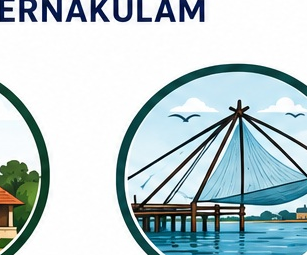
Thiruvananthapuram serves as the state capital and is known for the Padmanabhaswamy Temple and its colonial-era architecture. Kochi, historically known as Cochin, is a major port city that showcases the region's multicultural heritage through its synagogue, Portuguese-built churches, and Chinese fishing nets. Kozhikode was historically important as a trading hub where Vasco da Gama first landed in India. The hill stations of Munnar and Wayanad attract visitors with their tea plantations and cooler climate.
Kerala's economy traditionally relied on agriculture, particularly spice cultivation, coconut, rubber, and tea plantations. Tourism has become increasingly important, with visitors drawn to the backwater cruises, Ayurvedic wellness traditions, wildlife sanctuaries, and beaches. The state has implemented various social welfare programs and achieved notable indicators in health and education. Kerala's approach to development, sometimes called the "Kerala Model," has been studied internationally for achieving high quality of life metrics despite moderate economic output.
Written by Social Pulse's community knowledge engine · Neutral, AI-assisted